Dubai Telegraph - Canada challenges Trump on Tariffs

EUR -
AED 4.235625
AFN 74.96697
ALL 91.668629
AMD 418.234188
ANG 2.064893
AOA 1057.609283
ARS 1739.139679
AUD 1.619615
AWG 2.076005
AZN 1.964491
BAM 1.954065
BBD 2.322239
BDT 141.933395
BGN 1.941573
BHD 0.434714
BIF 3447.029854
BMD 1.153336
BND 1.465437
BOB 13.899662
BRL 5.927109
BSD 1.152977
BTN 110.11178
BWP 15.594158
BYN 3.507586
BYR 22605.389984
BZD 2.318942
CAD 1.604037
CDF 2664.20682
CHF 0.943815
CLF 0.027893
CLP 1101.355735
CNY 7.739461
CNH 7.743448
COP 3593.864873
CRC 519.339001
CUC 1.153336
CUP 30.56341
CVE 110.167208
CZK 24.294739
DJF 205.327738
DKK 7.475504
DOP 68.089559
DZD 154.097118
EGP 59.676614
ERN 17.300043
ETB 188.33632
FJD 2.551122
FKP 0.854772
GBP 0.855827
GEL 2.984628
GGP 0.854772
GHS 13.242245
GIP 0.854772
GMD 85.347238
GNF 10137.265189
GTQ 8.805298
GYD 241.225872
HKD 9.046574
HNL 30.94653
HRK 7.534513
HTG 150.700801
HUF 366.911968
IDR 20401.36446
ILS 3.517617
IMP 0.854772
INR 110.628585
IQD 1510.452676
IRR 1585347.139309
ISK 139.946199
JEP 0.854772
JMD 181.958482
JOD 0.817733
JPY 178.54566
KES 149.552586
KGS 100.859227
KHR 4674.992043
KMF 491.321937
KPW 1038.002968
KRW 1567.256691
KWD 0.356219
KYD 0.960847
KZT 516.161821
LAK 25796.1017
LBP 103705.537953
LKR 379.453173
LRD 201.200529
LSL 18.731273
LTL 3.405502
LVL 0.697642
LYD 7.316505
MAD 10.930897
MDL 20.074181
MGA 4974.584235
MKD 61.470435
MMK 2421.377926
MNT 4151.472139
MOP 9.315391
MRU 46.304897
MUR 54.310366
MVR 17.772398
MWK 1999.325269
MXN 19.801618
MYR 4.698345
MZN 73.69416
NAD 18.731273
NGN 1528.308661
NIO 42.433437
NOK 10.778088
NPR 176.179612
NZD 2.002474
OMR 0.443457
PAB 1.152977
PEN 3.875243
PGK 5.130535
PHP 72.58464
PKR 319.644363
PLN 4.343943
PYG 6934.844181
QAR 4.214459
RON 5.252063
RSD 117.371587
RUB 98.124331
RWF 1701.289824
SAR 4.327404
SBD 9.249179
SCR 15.91474
SDG 693.737485
SEK 11.279646
SGD 1.46777
SHP 0.854291
SLE 28.429871
SLL 24184.874578
SOS 658.915104
SRD 43.558022
STD 23871.731253
STN 24.478696
SVC 10.089044
SYP 14995.677873
SZL 18.717385
THB 38.41782
TJS 10.648002
TMT 4.036677
TND 3.374505
TOP 2.776957
TRY 56.098047
TTD 7.82905
TWD 36.787387
TZS 3053.455323
UAH 51.466015
UGX 4519.987765
USD 1.153336
UYU 46.438577
UZS 13570.894757
VES 970.167948
VND 29989.048488
VUV 136.194933
WST 3.150335
XAF 655.957
XAG 0.018281
XAU 0.000269
XCD 3.116949
XCG 2.078046
XDR 0.815469
XOF 655.957
XPF 119.331742
YER 272.792855
ZAR 18.819968
ZMK 10381.368659
ZMW 22.282221
ZWL 371.373793
SSP 6512.001368
MXV 2.245377
  • RBGPF

    1.9700

    69.99

    +2.81%

  • RELX

    1.9200

    35.72

    +5.38%

  • RYCEF

    -0.5000

    19.04

    -2.63%

  • GSK

    1.9200

    50.05

    +3.84%

  • CMSD

    -0.0800

    20.24

    -0.4%

  • NGG

    -1.9000

    74.96

    -2.53%

  • BCE

    0.0800

    23.47

    +0.34%

  • RIO

    -2.3200

    97.64

    -2.38%

  • CMSC

    -0.0300

    20.42

    -0.15%

  • AZN

    3.6100

    163.78

    +2.2%

  • BCC

    -0.1900

    75.25

    -0.25%

  • BTI

    2.0500

    57.29

    +3.58%

  • VOD

    0.1300

    17.53

    +0.74%

  • JRI

    -0.0500

    11.96

    -0.42%

  • BP

    -0.1700

    45.93

    -0.37%


Canada challenges Trump on Tariffs


In a bold and unprecedented escalation of tensions between Canada and the United States, Prime Minister Justin Trudeau has launched a vigorous counter-offensive against U.S. President Donald Trump’s imposition of sweeping tariffs on Canadian goods. This retaliatory stance marks a significant shift in the historically amicable relationship between the two North American neighbours, igniting what Trudeau has termed a "trade war" that threatens to disrupt one of the world’s most integrated economic partnerships.

The genesis of this dispute lies in Trump’s decision, enacted on February 1, 2025, to impose a 25 per cent tariff on virtually all Canadian exports to the United States, alongside a 10 per cent levy on Canadian energy products. The White House justified these measures as a response to alleged failures by Canada to curb the flow of fentanyl across the border—a claim Trudeau has dismissed as "completely bogus, completely unjustified, completely false." Official U.S. data supports Canada’s position, revealing that less than 1 per cent of fentanyl intercepted at the U.S. border originates from its northern neighbour.

In response, Trudeau announced retaliatory tariffs on March 4, targeting C$155 billion (approximately US$107 billion) worth of American goods. The first phase, effective immediately, imposes a 25 per cent tariff on C$30 billion of U.S. imports, including consumer staples such as orange juice, peanut butter, and coffee. A second tranche, set to apply to C$125 billion of additional goods—ranging from passenger vehicles to steel products—will take effect within 21 days unless the U.S. reverses its policy. "We don’t want to be here, we didn’t ask for this, but we will not back down in standing up for Canadians," Trudeau declared in a press conference from Parliament Hill.

The Canadian leader has not minced words in his criticism of Trump’s strategy. Addressing the U.S. President directly, Trudeau remarked, "Even though you’re a very smart guy, this is a very dumb thing to do," echoing a Wall Street Journal editorial that branded the tariffs "the dumbest trade war in history." He further accused Trump of pursuing a deliberate agenda to destabilise Canada’s economy, suggesting that the ultimate aim might be to weaken the nation sufficiently to facilitate annexation—a notion Trump has repeatedly floated, mockingly referring to Trudeau as the "governor" of a hypothetical 51st state.

This tariff tit-for-tat has galvanised Canadian resolve across political and regional lines. Ontario Premier Doug Ford, a key figure in Canada’s economic heartland, has vowed to "make sure Americans feel pain," announcing a ban on U.S.-made alcohol in provincial liquor stores and threatening a 25 per cent surcharge on electricity exports to New York, Michigan, and Minnesota if U.S. tariffs persist. Quebec and Ontario have joined the fray by pulling American products from their shelves, while Conservative Leader Pierre Poilievre has urged a "Canada First" approach, advocating dollar-for-dollar retaliation to protect Canadian workers and businesses.

The economic stakes are staggering. Canada exports roughly 75 per cent of its goods to the United States, including C$75 billion in automotive products annually. Economists warn that a protracted trade war could plunge Canada into recession, with the Bank of Canada predicting "severe" and potentially irreversible consequences. Yet the fallout is not unilateral: American consumers face higher prices for groceries, fuel, and vehicles, while U.S. businesses reliant on Canadian materials brace for supply chain disruptions.

Trudeau has sought to rally national unity, urging Canadians to "redouble their efforts" in supporting domestic industries and rejecting American goods. "Canadians are hurt, angry, and frustrated," he acknowledged, pointing to symbolic acts of defiance such as the booing of the U.S. national anthem at sporting events. Yet he remains steadfast: "We are Canadians. We are going to fight, and we are going to win."

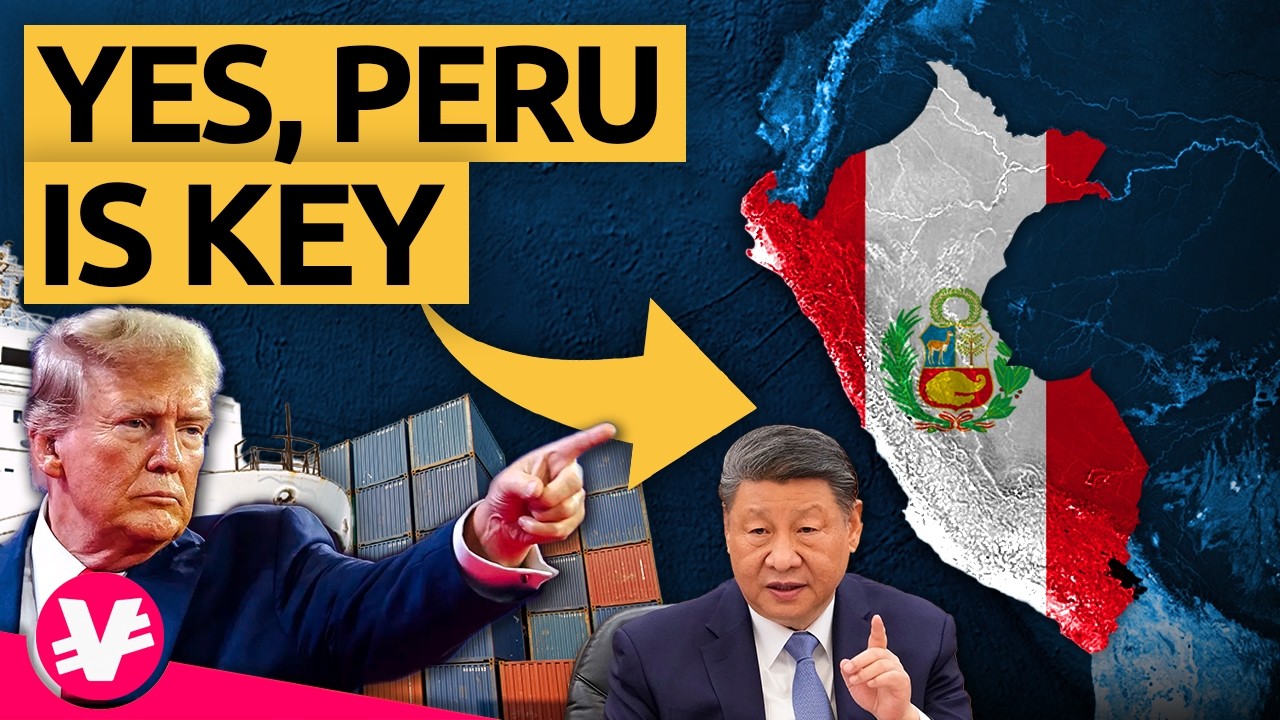
Internationally, Canada plans to challenge the tariffs through the World Trade Organization and the U.S.-Mexico-Canada Agreement (USMCA), a pact Trump himself negotiated during his first term. Meanwhile, Trump has doubled down, warning via social media that any Canadian retaliation will be met with "immediate reciprocal tariffs of the same size." This brinkmanship has drawn parallels to a broader global trade conflict, with Mexico and China also imposing countermeasures against U.S. tariffs of 25 per cent and 20 per cent, respectively.

As Trudeau prepares to step down later this month—his Liberal Party set to select a new leader on March 23—he leaves behind a nation galvanised by adversity. His successor will inherit a complex battle, one that tests Canada’s economic resilience and its sovereignty against an unpredictable adversary. For now, the message from Ottawa is clear: Canada will not yield. As Trudeau put it, "This is the time to stand together. Canada remains the best country in the world."
Featured


Marhabaan, welcome to the UAE and Dubai!

Marhabaan, welcome to the UAE and Dubai! The "skyward striving" Dubai next to ancient desert cities. Mysterious Bedouins and magnificent mosques exist peacefully alongside futuristic cities. Discover wadis and oases, golden sandy deserts, paradisiacal beaches and Arabian hospitality. The modern and the ancient Orient united in a book for dreaming.On this journey to Dubai and Abu Dhabi in the United Arab Emirates, the fairy tales of 1001 Arabian Nights meet the modern Arab world. These cascading cities enchant with their sky-high skyscrapers, fragrant souks, huge shopping centres and the ancient cultural heritage of the sheikhs.You can choose to stay in 4- or 5-star hotels with breakfast and swimming pools. You also have more options to book excursions so you can feel the magic of the East even more. If you want to do something out of the ordinary, you can spend an extra night in an enchanting hotel in the middle of the emirate's desert. Experience your own fairytale from 1001 nights and look forward to a holiday with plenty of casual extravagance in two superlative desert cities!

Trade and business at the Dubai Gold Souk

If Naif Deira is associated with a specific context, organization, or field, providing more details could help me offer more relevant information. Keep in mind that privacy considerations and ethical guidelines limit the amount of information available about private individuals, especially those who are not public figures. The Dubai Gold Souk is one of the most famous gold markets in the world and is located in the heart of Dubai's commercial business district in Deira. It's a traditional market where you can find a wide variety of gold, silver, and precious stone jewelry. The Gold Souk is known for its extensive selection of jewelry, including rings, bracelets, necklaces, and earrings, often crafted with intricate designs.Variety: The Gold Souk offers a vast array of jewelry designs, with a focus on gold. You can find items ranging from traditional to modern styles.Competitive Pricing: The market is known for its competitive pricing, and bargaining is a common practice. Prices are typically based on the weight of the gold and the craftsmanship involved.Gold and More: While gold is the primary focus, the souk also offers other precious metals such as silver and platinum, as well as a selection of gemstones.Cultural Experience: Visiting the Gold Souk provides not only a shopping experience but also a glimpse into the traditional trading culture of Dubai. The vibrant market is a popular destination for both tourists and locals.Security: The market is generally safe, and there are numerous shops with security measures in place. However, as with any crowded area, it's advisable to take standard precautions regarding personal belongings.Gold Souk is just one part of the larger Deira Souk complex, which also includes the Spice Souk and the Textile Souk. It's a must-visit for those interested in jewelry, and it reflects the rich cultural and trading history of Dubai.

Dubai: Amazing City Center, Night Walking Tour

During this excursion, we leisurely explore Dubai Downtown and Burj Khalifa in the evening, giving you the chance to witness the captivating transformation of the district as it comes alive with the vibrant glow of thousands of lights. As the sun sets, the illuminated facade of Burj Khalifa and the enchanting Dubai Fountain collaborate to produce a genuinely magical atmosphere.Dubai Downtown, also known as Downtown Dubai, is a distinguished and iconic district situated in the heart of Dubai, United Arab Emirates. It is a renowned neighborhood celebrated for its striking architecture, luxurious living, and exceptional entertainment options. At the core of Downtown Dubai stands the Burj Khalifa, a towering skyscraper that holds the title of the world's tallest man-made structure and serves as an emblem of modern Dubai.Burj Khalifa: The focal point of Downtown Dubai, Burj Khalifa, is famous for its groundbreaking height, reaching an impressive 828 meters (2,722 feet). Designed by architect Adrian Smith, its distinctive Y-shaped design encompasses a mix of residential, commercial, and hotel spaces.Dubai Mall: Adjacent to Burj Khalifa is the Dubai Mall, one of the largest shopping malls globally, featuring an extensive array of retail outlets, from high-end boutiques to international brands. The mall also provides various dining options, and entertainment attractions like an indoor ice rink and an aquarium, and hosts the mesmerizing Dubai Fountain.Dubai Fountain: Located just outside the Dubai Mall, the Dubai Fountain is a captivating attraction that presents a nightly spectacle of water, music, and light, captivating visitors with its perfectly synchronized performances.Emaar Boulevard: Stretching through Downtown Dubai, this boulevard is adorned with restaurants, cafes, and shops, making it a popular spot for leisurely strolls, dining, and people-watching.Luxury Living: Downtown Dubai boasts numerous upscale residential buildings and hotels, making it an appealing locale for those seeking a sophisticated urban lifestyle.Cultural Attractions: The Dubai Opera, an iconic cultural venue within the district, hosts a diverse range of performances, including opera, ballet, concerts, and theater productions.Transportation: Downtown Dubai is well-connected through public transportation, including the Dubai Metro, facilitating easy access to other parts of the city.In summary, Downtown Dubai is a dynamic and vibrant district that stands as a testament to Dubai's modernity and grandeur. It seamlessly combines architectural wonders with shopping, entertainment, and cultural offerings, creating a truly extraordinary destination.