Dubai Telegraph - Is Australia’s Economy Doomed?

EUR -
AED 4.183272
AFN 75.735568
ALL 93.708204
AMD 416.395839
AOA 1044.536686
ARS 1704.59367
AUD 1.627339
AWG 2.050344
AZN 1.94038
BAM 1.955268
BBD 2.294506
BDT 140.631734
BHD 0.429281
BIF 3402.959127
BMD 1.13908
BND 1.469658
BOB 12.821905
BRL 5.787551
BSD 1.139205
BTN 109.206599
BWP 15.641362
BYN 3.26814
BYR 22325.969164
BZD 2.291197
CAD 1.606883
CDF 2574.320515
CHF 0.928332
CLF 0.027367
CLP 1077.091045
CNY 7.713969
CNH 7.708599
COP 3667.029044
CRC 518.461204
CUC 1.13908
CUP 30.185622
CVE 110.235005
CZK 24.156922
DJF 202.872813
DKK 7.475794
DOP 66.283419
DZD 151.88701
EGP 57.704998
ERN 17.086201
ETB 183.881017
FJD 2.53696
FKP 0.855037
GBP 0.855284
GEL 2.990091
GGP 0.855037
GHS 13.260799
GIP 0.855037
GMD 84.291543
GNF 9995.280311
GTQ 8.692597
GYD 238.254584
HKD 8.932848
HNL 30.516366
HRK 7.536381
HTG 148.922747
HUF 359.801045
IDR 20564.438806
ILS 3.459215
IMP 0.855037
INR 109.280778
IQD 1492.42667
IRR 1566235.081968
ISK 142.817623
JEP 0.855037
JMD 180.23096
JOD 0.807611
JPY 186.392258
KES 147.477064
KGS 99.612176
KHR 4601.929629
KMF 494.36103
KRW 1674.504965
KWD 0.353423
KYD 0.949379
KZT 541.340327
LAK 25822.427178
LBP 102019.875387
LKR 383.075766
LRD 206.19842
LSL 19.028039
LTL 3.363408
LVL 0.689018
LYD 7.298014
MAD 10.664798
MDL 20.022343
MGA 4898.71008
MKD 61.513262
MMK 2391.543122
MNT 4091.030743
MOP 9.201998
MRU 45.477626
MUR 53.923685
MVR 17.598737
MWK 1975.440529
MXN 19.883132
MYR 4.653714
MZN 72.785473
NAD 19.028874
NGN 1552.953771
NIO 41.918594
NOK 10.983756
NPR 174.723458
NZD 1.966627
OMR 0.437981
PAB 1.13921
PEN 3.871047
PGK 5.100612
PHP 70.345601
PKR 316.445496
PLN 4.32286
PYG 6889.125488
QAR 4.15297
RON 5.232142
RSD 117.436865
RUB 88.845924
RWF 1677.009941
SAR 4.268917
SBD 9.205025
SCR 16.824722
SDG 684.006786
SEK 11.04415
SGD 1.469738
SLE 27.594175
SOS 651.022858
SRD 43.048681
STD 23576.657436
STN 24.493658
SVC 9.968288
SZL 19.02574
THB 38.240629
TJS 10.515354
TMT 3.98678
TND 3.375082
TRY 53.944569
TTD 7.736963
TWD 36.794572
TZS 3007.134902
UAH 51.163479
UGX 4277.892331
USD 1.13908
UYU 45.747552
UZS 13642.28797
VES 844.401646
VND 29974.891763
VUV 135.651142
WST 3.13967
XAF 655.804465
XAG 0.019294
XAU 0.000278
XCD 3.078421
XCG 2.053141
XDR 0.814931
XOF 655.778564
XPF 119.331742
YER 271.727253
ZAR 19.066241
ZMK 10253.084262
ZMW 21.286862
ZWL 366.783314
  • VOD

    -0.1000

    15.15

    -0.66%

  • CMSC

    -0.0650

    21.725

    -0.3%

  • JRI

    0.1600

    13.06

    +1.23%

  • NGG

    -0.0700

    82.3

    -0.09%

  • RBGPF

    -0.7300

    66

    -1.11%

  • BCE

    0.0900

    21.3

    +0.42%

  • GSK

    0.6100

    51.35

    +1.19%

  • BCC

    1.3800

    77.84

    +1.77%

  • RIO

    -0.2900

    91.22

    -0.32%

  • RYCEF

    -0.1900

    18.17

    -1.05%

  • RELX

    1.5500

    34.41

    +4.5%

  • BTI

    1.1200

    60.96

    +1.84%

  • AZN

    0.9900

    169.26

    +0.58%

  • CMSD

    -0.0200

    21.98

    -0.09%

  • BP

    -0.1100

    43.82

    -0.25%


Is Australia’s Economy Doomed?


The Australian economy, long admired for its resilience and resource-driven growth, faces mounting concerns about its future trajectory. With global economic headwinds, domestic challenges, and structural vulnerabilities coming to the fore, analysts are questioning whether the nation’s prosperity is at risk. While some warn of a potential downturn, others argue that Australia’s adaptability and strengths could steer it clear of doom. A closer look reveals a complex picture of risks and opportunities shaping the country’s economic outlook.

Australia’s economy has historically thrived on its vast natural resources, particularly iron ore, coal, and natural gas, which have fueled exports to Asia, especially China. However, global demand for these commodities is softening. China’s economic slowdown, coupled with its pivot toward green energy, has reduced reliance on Australian coal and iron ore. In 2024, iron ore prices dropped significantly, impacting export revenues. This decline has exposed Australia’s heavy dependence on a single market, raising alarms about the need for diversification. Efforts to expand trade with India and Southeast Asia are underway, but these markets cannot yet offset the loss of Chinese demand.

Domestically, inflation remains a persistent challenge. In 2024, inflation hovered around 3.5%, down from its 2022 peak but still above the Reserve Bank of Australia’s (RBA) 2-3% target. High energy costs and supply chain disruptions have kept prices elevated, squeezing household budgets. Wage growth, while improving, has not kept pace with inflation, eroding real incomes. The RBA’s response—raising interest rates to 4.35%—has cooled the housing market but increased borrowing costs for households and businesses. Mortgage stress is rising, with many Australians grappling with higher repayments amid stagnant wages.

The housing crisis is another sore point. Skyrocketing property prices in cities like Sydney and Melbourne have locked out first-time buyers, fueling inequality. Construction costs have surged due to labor shortages and expensive materials, slowing new housing supply. Government initiatives to boost affordable housing have fallen short, leaving young Australians pessimistic about homeownership. This dynamic not only strains social cohesion but also hampers economic mobility, as wealth concentrates among older, property-owning generations.

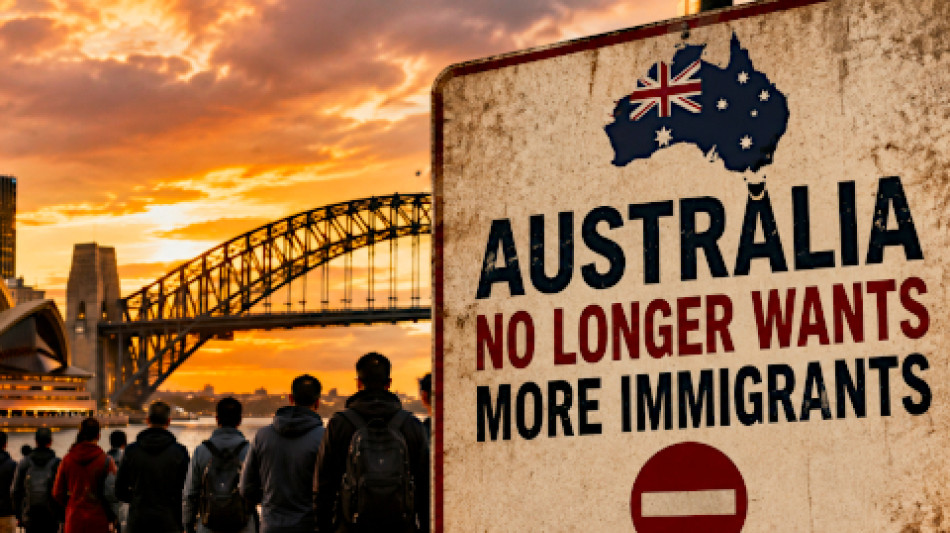
Labor market dynamics add further complexity. Unemployment remains low at around 4.1%, a near-historic achievement. However, underemployment is creeping up, and many jobs are in low-wage, insecure sectors like retail and hospitality. Skilled worker shortages in critical industries—healthcare, engineering, and technology—persist, hampering productivity. Immigration, a traditional solution, has resumed post-pandemic, but visa processing delays and global competition for talent limit its impact. Without addressing these gaps, Australia risks stalling its economic engine.

Climate change poses a long-term threat. Extreme weather events—floods, bushfires, and droughts—have become more frequent, disrupting agriculture and infrastructure. The agricultural sector, a key economic pillar, faces declining yields due to unpredictable weather. Transitioning to renewable energy is essential, but progress is uneven. While Australia leads in solar adoption, its reliance on coal for domestic power generation undermines green ambitions. The cost of transitioning to net-zero emissions by 2050 is estimated at hundreds of billions, straining public finances already stretched by aging population costs.

Public debt, while manageable at around 40% of GDP, is another concern. Pandemic-era stimulus and infrastructure spending have driven deficits, with net debt projected to reach $1 trillion by 2027. Tax revenues from mining have cushioned the blow, but their decline could force tough choices—higher taxes or spending cuts—both politically contentious. The government’s focus on renewable energy and defense spending, including the AUKUS nuclear submarine deal, adds pressure to an already tight budget.

Yet, Australia is not without strengths. Its services sector, particularly education and tourism, is rebounding post-COVID, with international students and visitors returning in droves. The tech sector, though small, is growing, with startups in fintech and biotech attracting global investment. Critical minerals like lithium and rare earths offer new export opportunities as the world electrifies. Trade agreements with the UK, EU, and Indo-Pacific nations could open new markets, reducing reliance on China. Moreover, Australia’s stable institutions and skilled workforce provide a foundation for long-term growth.

Still, structural issues loom large. Productivity growth has stagnated, lagging behind global peers. An overreliance on housing and mining for wealth creation has crowded out investment in manufacturing and innovation. The education system, once a global leader, struggles to produce graduates aligned with future needs, particularly in STEM fields. Indigenous economic exclusion remains a persistent drag, with gaps in employment and income barely narrowing.

The question of whether Australia’s economy is doomed hinges on its ability to adapt. Pessimists point to declining commodity prices, rising debt, and climate risks as harbingers of decline. Optimists highlight the nation’s track record of dodging recessions—avoiding one for over three decades until COVID—and its capacity for reform. Policy choices in the coming years will be critical. Boosting productivity, diversifying exports, and investing in skills and renewables could secure prosperity. Failure to act, however, risks a slow slide into stagnation.

For now, Australia stands at a crossroads. Doomed? Not yet. But the warning signs are clear, and complacency is not an option.

Featured


Marhabaan, welcome to the UAE and Dubai!

Marhabaan, welcome to the UAE and Dubai! The "skyward striving" Dubai next to ancient desert cities. Mysterious Bedouins and magnificent mosques exist peacefully alongside futuristic cities. Discover wadis and oases, golden sandy deserts, paradisiacal beaches and Arabian hospitality. The modern and the ancient Orient united in a book for dreaming.On this journey to Dubai and Abu Dhabi in the United Arab Emirates, the fairy tales of 1001 Arabian Nights meet the modern Arab world. These cascading cities enchant with their sky-high skyscrapers, fragrant souks, huge shopping centres and the ancient cultural heritage of the sheikhs.You can choose to stay in 4- or 5-star hotels with breakfast and swimming pools. You also have more options to book excursions so you can feel the magic of the East even more. If you want to do something out of the ordinary, you can spend an extra night in an enchanting hotel in the middle of the emirate's desert. Experience your own fairytale from 1001 nights and look forward to a holiday with plenty of casual extravagance in two superlative desert cities!

Trade and business at the Dubai Gold Souk

If Naif Deira is associated with a specific context, organization, or field, providing more details could help me offer more relevant information. Keep in mind that privacy considerations and ethical guidelines limit the amount of information available about private individuals, especially those who are not public figures. The Dubai Gold Souk is one of the most famous gold markets in the world and is located in the heart of Dubai's commercial business district in Deira. It's a traditional market where you can find a wide variety of gold, silver, and precious stone jewelry. The Gold Souk is known for its extensive selection of jewelry, including rings, bracelets, necklaces, and earrings, often crafted with intricate designs.Variety: The Gold Souk offers a vast array of jewelry designs, with a focus on gold. You can find items ranging from traditional to modern styles.Competitive Pricing: The market is known for its competitive pricing, and bargaining is a common practice. Prices are typically based on the weight of the gold and the craftsmanship involved.Gold and More: While gold is the primary focus, the souk also offers other precious metals such as silver and platinum, as well as a selection of gemstones.Cultural Experience: Visiting the Gold Souk provides not only a shopping experience but also a glimpse into the traditional trading culture of Dubai. The vibrant market is a popular destination for both tourists and locals.Security: The market is generally safe, and there are numerous shops with security measures in place. However, as with any crowded area, it's advisable to take standard precautions regarding personal belongings.Gold Souk is just one part of the larger Deira Souk complex, which also includes the Spice Souk and the Textile Souk. It's a must-visit for those interested in jewelry, and it reflects the rich cultural and trading history of Dubai.

Dubai: Amazing City Center, Night Walking Tour

During this excursion, we leisurely explore Dubai Downtown and Burj Khalifa in the evening, giving you the chance to witness the captivating transformation of the district as it comes alive with the vibrant glow of thousands of lights. As the sun sets, the illuminated facade of Burj Khalifa and the enchanting Dubai Fountain collaborate to produce a genuinely magical atmosphere.Dubai Downtown, also known as Downtown Dubai, is a distinguished and iconic district situated in the heart of Dubai, United Arab Emirates. It is a renowned neighborhood celebrated for its striking architecture, luxurious living, and exceptional entertainment options. At the core of Downtown Dubai stands the Burj Khalifa, a towering skyscraper that holds the title of the world's tallest man-made structure and serves as an emblem of modern Dubai.Burj Khalifa: The focal point of Downtown Dubai, Burj Khalifa, is famous for its groundbreaking height, reaching an impressive 828 meters (2,722 feet). Designed by architect Adrian Smith, its distinctive Y-shaped design encompasses a mix of residential, commercial, and hotel spaces.Dubai Mall: Adjacent to Burj Khalifa is the Dubai Mall, one of the largest shopping malls globally, featuring an extensive array of retail outlets, from high-end boutiques to international brands. The mall also provides various dining options, and entertainment attractions like an indoor ice rink and an aquarium, and hosts the mesmerizing Dubai Fountain.Dubai Fountain: Located just outside the Dubai Mall, the Dubai Fountain is a captivating attraction that presents a nightly spectacle of water, music, and light, captivating visitors with its perfectly synchronized performances.Emaar Boulevard: Stretching through Downtown Dubai, this boulevard is adorned with restaurants, cafes, and shops, making it a popular spot for leisurely strolls, dining, and people-watching.Luxury Living: Downtown Dubai boasts numerous upscale residential buildings and hotels, making it an appealing locale for those seeking a sophisticated urban lifestyle.Cultural Attractions: The Dubai Opera, an iconic cultural venue within the district, hosts a diverse range of performances, including opera, ballet, concerts, and theater productions.Transportation: Downtown Dubai is well-connected through public transportation, including the Dubai Metro, facilitating easy access to other parts of the city.In summary, Downtown Dubai is a dynamic and vibrant district that stands as a testament to Dubai's modernity and grandeur. It seamlessly combines architectural wonders with shopping, entertainment, and cultural offerings, creating a truly extraordinary destination.