Dubai Telegraph - Cuba's hunger Crisis deepens

EUR -
AED 4.256969
AFN 73.026624
ALL 95.949668
AMD 436.29849
ANG 2.074968
AOA 1062.937298
ARS 1612.956254
AUD 1.648622
AWG 2.089361
AZN 1.97515
BAM 1.955793
BBD 2.330592
BDT 141.989509
BGN 1.981339
BHD 0.437098
BIF 3425.188147
BMD 1.159146
BND 1.479895
BOB 7.995972
BRL 6.159011
BSD 1.157196
BTN 108.180626
BWP 15.778945
BYN 3.510788
BYR 22719.261378
BZD 2.327292
CAD 1.591102
CDF 2637.057544
CHF 0.913917
CLF 0.027244
CLP 1075.745893
CNY 7.982348
CNH 8.005172
COP 4253.385281
CRC 540.49813
CUC 1.159146
CUP 30.717369
CVE 110.264618
CZK 24.515015
DJF 206.059287
DKK 7.48519
DOP 68.689762
DZD 153.294785
EGP 59.995792
ERN 17.38719
ETB 182.369469
FJD 2.566871
FKP 0.87126
GBP 0.86899
GEL 3.147128
GGP 0.87126
GHS 12.613956
GIP 0.87126
GMD 85.201694
GNF 10142.964899
GTQ 8.863969
GYD 242.099162
HKD 9.082199
HNL 30.628894
HRK 7.547552
HTG 151.809475
HUF 393.739159
IDR 19654.711213
ILS 3.60393
IMP 0.87126
INR 108.971952
IQD 1515.894754
IRR 1525001.44174
ISK 144.047519
JEP 0.87126
JMD 181.799371
JOD 0.82188
JPY 184.582853
KES 149.909481
KGS 101.364887
KHR 4623.983998
KMF 494.955743
KPW 1043.080849
KRW 1744.874492
KWD 0.35536
KYD 0.964297
KZT 556.328075
LAK 24848.914008
LBP 103633.441366
LKR 360.978751
LRD 211.759267
LSL 19.520632
LTL 3.422657
LVL 0.701156
LYD 7.407974
MAD 10.813063
MDL 20.15193
MGA 4824.983303
MKD 61.639787
MMK 2434.137979
MNT 4156.167228
MOP 9.340468
MRU 46.32084
MUR 53.912319
MVR 17.920835
MWK 2006.593056
MXN 20.746631
MYR 4.565921
MZN 74.073751
NAD 19.520632
NGN 1572.092184
NIO 42.579853
NOK 11.093021
NPR 173.089401
NZD 1.985179
OMR 0.445696
PAB 1.157196
PEN 4.000686
PGK 4.994983
PHP 69.723065
PKR 323.078682
PLN 4.282755
PYG 7557.973845
QAR 4.231485
RON 5.101986
RSD 117.449594
RUB 96.003268
RWF 1683.694173
SAR 4.352195
SBD 9.33305
SCR 15.877645
SDG 696.647132
SEK 10.831104
SGD 1.486609
SHP 0.86966
SLE 28.486057
SLL 24306.724357
SOS 661.297712
SRD 43.45349
STD 23991.981659
STN 24.499915
SVC 10.124965
SYP 128.128397
SZL 19.526932
THB 38.14522
TJS 11.114462
TMT 4.068602
TND 3.417588
TOP 2.790945
TRY 51.295112
TTD 7.850973
TWD 37.135217
TZS 3008.589588
UAH 50.693025
UGX 4373.984863
USD 1.159146
UYU 46.629839
UZS 14107.951178
VES 527.05282
VND 30499.449254
VUV 138.346896
WST 3.161587
XAF 655.95473
XAG 0.017031
XAU 0.000257
XCD 3.13265
XCG 2.085493
XDR 0.815797
XOF 655.95473
XPF 119.331742
YER 276.576393
ZAR 19.85325
ZMK 10433.709028
ZMW 22.593922
ZWL 373.244535
  • RBGPF

    -13.5000

    69

    -19.57%

  • NGG

    -3.5400

    81.99

    -4.32%

  • BCC

    -1.5600

    68.3

    -2.28%

  • RELX

    -0.4600

    33.36

    -1.38%

  • RIO

    -2.5000

    83.15

    -3.01%

  • BCE

    0.0600

    25.79

    +0.23%

  • CMSD

    -0.2420

    22.658

    -1.07%

  • VOD

    -0.0900

    14.33

    -0.63%

  • CMSC

    -0.2000

    22.65

    -0.88%

  • RYCEF

    -1.2600

    15.34

    -8.21%

  • AZN

    -5.3300

    183.6

    -2.9%

  • JRI

    -0.3900

    11.77

    -3.31%

  • BTI

    -1.3500

    57.37

    -2.35%

  • GSK

    -0.5300

    51.84

    -1.02%

  • BP

    -1.0800

    44.78

    -2.41%


Cuba's hunger Crisis deepens


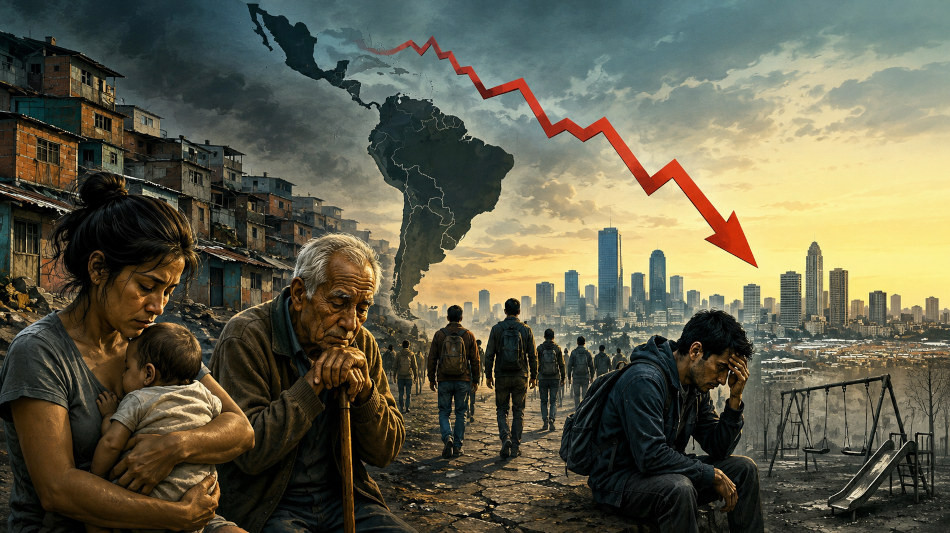
Cuba’s food emergency has sharpened into a pervasive hunger crisis. Queues for basic staples lengthen; subsidised rations arrive late or shrunken; prolonged black‑outs spoil what little families can buy. At the centre sits a long‑running question of policy as well as morality: should the United States lift—wholly or in part—its embargo?

What is driving hunger?
Cuba’s economy has been in a grinding downturn since 2020, with a steep loss of foreign currency, collapsing agricultural output and a power grid plagued by breakdowns. The island imports most of what it eats; when hard currency runs short, shipments of wheat, rice, oil and powdered milk stall. Ration books still guarantee a monthly “basic basket”, but the contents are smaller and more erratic than before. Long electricity cuts—now at times island‑wide—destroy refrigerated food and disrupt mills, bakeries and water systems. In March 2024, rare public protests erupted over black‑outs and empty shops; since then, outages and shortages have persisted well into 2025.

Behind the empty shelves lies a structural farm crisis. Sugar—once the backbone of the economy—has withered to a fraction of historic output, starved of fuel, fertiliser, parts and investment. Cane shortfalls ripple into food, transport and export earnings. Livestock herds have thinned, and diesel scarcity makes planting and distribution harder. Even when harvests occur, logistics failures and power cuts mean produce rots before reaching markets.

How far does the embargo matter?
Two facts can be true at once. First, Cuba’s own policy choices—tight state controls, delayed reforms, pricing distortions and a faltering energy system—are central to the crisis. Second, U.S. sanctions amplify the shock. The embargo, codified in U.S. law, restricts trade and finance with Cuba’s state sector and deters banks and insurers from handling even otherwise lawful transactions. Although food and medicine are formally exempt, Cuba must typically pay cash in advance and cannot access normal commercial credit from U.S. institutions; compliance risk pushes up costs, slows payments and scares off shippers and intermediaries. Cuba’s continued designation as a “State Sponsor of Terrorism” further chills banking ties. In short: exemptions exist on paper, frictions mount in practice.

There are countervailing trends. Since 2021, Havana has allowed thousands of private micro‑, small‑ and medium‑sized enterprises (MSMEs) to operate; many import food and essentials the state cannot supply. In 2024, Washington moved to let independent Cuban entrepreneurs open and use U.S. bank accounts remotely and to widen authorisations for internet‑based services and payments. Yet the political pendulum has swung back toward greater sanctions in 2025, and Cuba’s own tighter rules on the private sector have added uncertainty. The net effect is an ecosystem still too fragile to steady food supplies.

Is this a “famine”?
No international body has declared a technical famine in Cuba. That term has a high evidentiary threshold. But food insecurity is severe and widespread: calorie gaps, ration cuts, milk shortages for young children and recurrent bakery stoppages paint a picture of a humanitarian emergency in all but name. Global agencies have stepped in to help secure powdered milk and other basics; even so, distribution delays and funding shortfalls mean stop‑start relief.

Should the United States lift the embargo?
The humanitarian case is powerful. Lifting or substantially easing the embargo would lower transaction costs, restore access to trade finance, reduce shipping and insurance frictions, and widen suppliers’ appetite to sell. That would not, by itself, fix Cuba’s domestic constraints, but it would remove external bottlenecks that particularly harm food imports, farm inputs and power‑sector maintenance. In a context of ration cuts and soaring prices, fewer frictions mean more staples on plates.

The governance caveat is equally real. Sanctions were designed to press for pluralism and human rights; critics fear that broad relief could entrench a state‑dominated economy with poor accountability, and that aid or hard currency could be diverted. Nor is a full lift simple: the embargo is written into statute and requires congressional action. In U.S. domestic politics, that bar is high.

A pragmatic path through
Given legal and political realities, three steps stand out as both feasible and fast‑acting:
1) Create a humanitarian finance channel for food and farm inputs. Authorise insured letters of credit and trade finance for transactions involving staple foods, seeds, fertiliser, spare parts for milling, cold‑chain equipment and water treatment—available to private MSMEs and non‑sanctioned public distributors alike, with end‑use auditing.

2) De‑risk payments for independent Cuban businesses. Lock in and broaden 2024 measures allowing Cuban private entrepreneurs to hold and use U.S. bank accounts remotely, and permit “U‑turn” transfers that clear in U.S. dollars when neither buyer nor seller is a sanctioned party. Pair this with enhanced due diligence to prevent diversion.

3) Protect the food pipeline from energy failures. License sales of critical spares and services for power plants and grid stability that directly safeguard bakeries, cold storage, water pumping and hospitals. Where necessary, allow time‑bound fuel swaps for food distribution fleets under third‑party monitoring.

Alongside U.S. actions, Cuba must do its part: secure property rights for farmers, ensure price signals that reward production, remove import monopolies that choke private wholesalers, cut administrative hurdles for MSMEs, and prioritise grid repairs that keep food systems running. Without these domestic adjustments, external relief will leak away in lost output and waste.

The bottom line
Cuba’s hunger crisis is the product of compounding internal and external failures. Ending or meaningfully easing U.S. sanctions on food, finance and energy‑for‑food lifelines would save time, money and calories; it is defensible on humanitarian grounds and achievable through executive licensing even if Congress leaves the core embargo intact. But durability demands reciprocity: Havana must unlock farm productivity and private distribution, and Washington should target relief where it most directly feeds Cuban households. Starvation risks are non‑ideological. Policy should be, too.


Featured


Marhabaan, welcome to the UAE and Dubai!

Marhabaan, welcome to the UAE and Dubai! The "skyward striving" Dubai next to ancient desert cities. Mysterious Bedouins and magnificent mosques exist peacefully alongside futuristic cities. Discover wadis and oases, golden sandy deserts, paradisiacal beaches and Arabian hospitality. The modern and the ancient Orient united in a book for dreaming.On this journey to Dubai and Abu Dhabi in the United Arab Emirates, the fairy tales of 1001 Arabian Nights meet the modern Arab world. These cascading cities enchant with their sky-high skyscrapers, fragrant souks, huge shopping centres and the ancient cultural heritage of the sheikhs.You can choose to stay in 4- or 5-star hotels with breakfast and swimming pools. You also have more options to book excursions so you can feel the magic of the East even more. If you want to do something out of the ordinary, you can spend an extra night in an enchanting hotel in the middle of the emirate's desert. Experience your own fairytale from 1001 nights and look forward to a holiday with plenty of casual extravagance in two superlative desert cities!

Trade and business at the Dubai Gold Souk

If Naif Deira is associated with a specific context, organization, or field, providing more details could help me offer more relevant information. Keep in mind that privacy considerations and ethical guidelines limit the amount of information available about private individuals, especially those who are not public figures. The Dubai Gold Souk is one of the most famous gold markets in the world and is located in the heart of Dubai's commercial business district in Deira. It's a traditional market where you can find a wide variety of gold, silver, and precious stone jewelry. The Gold Souk is known for its extensive selection of jewelry, including rings, bracelets, necklaces, and earrings, often crafted with intricate designs.Variety: The Gold Souk offers a vast array of jewelry designs, with a focus on gold. You can find items ranging from traditional to modern styles.Competitive Pricing: The market is known for its competitive pricing, and bargaining is a common practice. Prices are typically based on the weight of the gold and the craftsmanship involved.Gold and More: While gold is the primary focus, the souk also offers other precious metals such as silver and platinum, as well as a selection of gemstones.Cultural Experience: Visiting the Gold Souk provides not only a shopping experience but also a glimpse into the traditional trading culture of Dubai. The vibrant market is a popular destination for both tourists and locals.Security: The market is generally safe, and there are numerous shops with security measures in place. However, as with any crowded area, it's advisable to take standard precautions regarding personal belongings.Gold Souk is just one part of the larger Deira Souk complex, which also includes the Spice Souk and the Textile Souk. It's a must-visit for those interested in jewelry, and it reflects the rich cultural and trading history of Dubai.

Dubai: Amazing City Center, Night Walking Tour

During this excursion, we leisurely explore Dubai Downtown and Burj Khalifa in the evening, giving you the chance to witness the captivating transformation of the district as it comes alive with the vibrant glow of thousands of lights. As the sun sets, the illuminated facade of Burj Khalifa and the enchanting Dubai Fountain collaborate to produce a genuinely magical atmosphere.Dubai Downtown, also known as Downtown Dubai, is a distinguished and iconic district situated in the heart of Dubai, United Arab Emirates. It is a renowned neighborhood celebrated for its striking architecture, luxurious living, and exceptional entertainment options. At the core of Downtown Dubai stands the Burj Khalifa, a towering skyscraper that holds the title of the world's tallest man-made structure and serves as an emblem of modern Dubai.Burj Khalifa: The focal point of Downtown Dubai, Burj Khalifa, is famous for its groundbreaking height, reaching an impressive 828 meters (2,722 feet). Designed by architect Adrian Smith, its distinctive Y-shaped design encompasses a mix of residential, commercial, and hotel spaces.Dubai Mall: Adjacent to Burj Khalifa is the Dubai Mall, one of the largest shopping malls globally, featuring an extensive array of retail outlets, from high-end boutiques to international brands. The mall also provides various dining options, and entertainment attractions like an indoor ice rink and an aquarium, and hosts the mesmerizing Dubai Fountain.Dubai Fountain: Located just outside the Dubai Mall, the Dubai Fountain is a captivating attraction that presents a nightly spectacle of water, music, and light, captivating visitors with its perfectly synchronized performances.Emaar Boulevard: Stretching through Downtown Dubai, this boulevard is adorned with restaurants, cafes, and shops, making it a popular spot for leisurely strolls, dining, and people-watching.Luxury Living: Downtown Dubai boasts numerous upscale residential buildings and hotels, making it an appealing locale for those seeking a sophisticated urban lifestyle.Cultural Attractions: The Dubai Opera, an iconic cultural venue within the district, hosts a diverse range of performances, including opera, ballet, concerts, and theater productions.Transportation: Downtown Dubai is well-connected through public transportation, including the Dubai Metro, facilitating easy access to other parts of the city.In summary, Downtown Dubai is a dynamic and vibrant district that stands as a testament to Dubai's modernity and grandeur. It seamlessly combines architectural wonders with shopping, entertainment, and cultural offerings, creating a truly extraordinary destination.