Dubai Telegraph - Saudi Arabia's Economic Crisis

EUR -
AED 4.278799
AFN 77.332466
ALL 96.575617
AMD 445.1876
ANG 2.085576
AOA 1068.388216
ARS 1684.735918
AUD 1.75613
AWG 2.09862
AZN 1.984015
BAM 1.955298
BBD 2.351906
BDT 142.873314
BGN 1.955951
BHD 0.439244
BIF 3450.13256
BMD 1.165091
BND 1.512264
BOB 8.068928
BRL 6.18139
BSD 1.167705
BTN 104.895516
BWP 15.51395
BYN 3.380546
BYR 22835.780461
BZD 2.348507
CAD 1.624445
CDF 2598.152383
CHF 0.935795
CLF 0.027249
CLP 1068.972737
CNY 8.239114
CNH 8.235468
COP 4423.838268
CRC 572.550529
CUC 1.165091
CUP 30.874907
CVE 110.236695
CZK 24.215228
DJF 207.947498
DKK 7.468599
DOP 74.200629
DZD 151.573688
EGP 55.422094
ERN 17.476363
ETB 182.080866
FJD 2.631882
FKP 0.872491
GBP 0.87341
GEL 3.139877
GGP 0.872491
GHS 13.301585
GIP 0.872491
GMD 85.051785
GNF 10146.786517
GTQ 8.944742
GYD 244.307269
HKD 9.07004
HNL 30.745973
HRK 7.537941
HTG 152.955977
HUF 381.927241
IDR 19422.821609
ILS 3.76036
IMP 0.872491
INR 104.791181
IQD 1529.71378
IRR 49079.451231
ISK 149.003201
JEP 0.872491
JMD 187.141145
JOD 0.82607
JPY 180.711448
KES 150.704566
KGS 101.886647
KHR 4676.939601
KMF 491.66861
KPW 1048.573823
KRW 1715.887947
KWD 0.35759
KYD 0.973154
KZT 590.220982
LAK 25331.604319
LBP 104570.198293
LKR 360.448994
LRD 206.107962
LSL 19.822595
LTL 3.44021
LVL 0.704752
LYD 6.347397
MAD 10.774234
MDL 19.862985
MGA 5193.64414
MKD 61.624177
MMK 2446.620372
MNT 4131.997126
MOP 9.362236
MRU 46.266921
MUR 53.675364
MVR 17.954132
MWK 2024.871384
MXN 21.185039
MYR 4.789718
MZN 74.447687
NAD 19.822595
NGN 1690.547045
NIO 42.970442
NOK 11.774198
NPR 167.831186
NZD 2.017279
OMR 0.448002
PAB 1.1678
PEN 3.926892
PGK 4.952877
PHP 68.813177
PKR 329.883811
PLN 4.230421
PYG 8097.955442
QAR 4.268104
RON 5.093784
RSD 117.405001
RUB 89.428762
RWF 1699.056442
SAR 4.372624
SBD 9.581501
SCR 15.83572
SDG 700.739077
SEK 10.962357
SGD 1.508886
SHP 0.87412
SLE 26.796781
SLL 24431.370198
SOS 666.226074
SRD 45.023191
STD 24115.028075
STN 24.494657
SVC 10.21742
SYP 12883.858981
SZL 19.816827
THB 37.09708
TJS 10.731491
TMT 4.077818
TND 3.427635
TOP 2.805259
TRY 49.532165
TTD 7.917001
TWD 36.455959
TZS 2842.8212
UAH 49.235746
UGX 4139.936989
USD 1.165091
UYU 45.74845
UZS 13910.428222
VES 289.625154
VND 30711.794538
VUV 142.222766
WST 3.250779
XAF 655.7858
XAG 0.020016
XAU 0.000276
XCD 3.148716
XCG 2.104569
XDR 0.815587
XOF 655.791427
XPF 119.331742
YER 277.75676
ZAR 19.715959
ZMK 10487.212054
ZMW 26.828226
ZWL 375.158775
  • RIO

    -0.1300

    73.6

    -0.18%

  • CMSC

    0.0000

    23.48

    0%

  • AZN

    0.9500

    90.98

    +1.04%

  • BCC

    -0.9150

    73.345

    -1.25%

  • GSK

    -0.1200

    48.45

    -0.25%

  • SCS

    0.0100

    16.24

    +0.06%

  • NGG

    0.1750

    76.085

    +0.23%

  • JRI

    0.0470

    13.797

    +0.34%

  • RELX

    0.1300

    40.67

    +0.32%

  • BCE

    0.2600

    23.48

    +1.11%

  • BTI

    -0.6600

    57.38

    -1.15%

  • RYCEF

    0.0500

    14.7

    +0.34%

  • RBGPF

    0.0000

    78.35

    0%

  • BP

    -0.7650

    36.465

    -2.1%

  • VOD

    -0.1830

    12.45

    -1.47%

  • CMSD

    -0.0350

    23.285

    -0.15%


Saudi Arabia's Economic Crisis


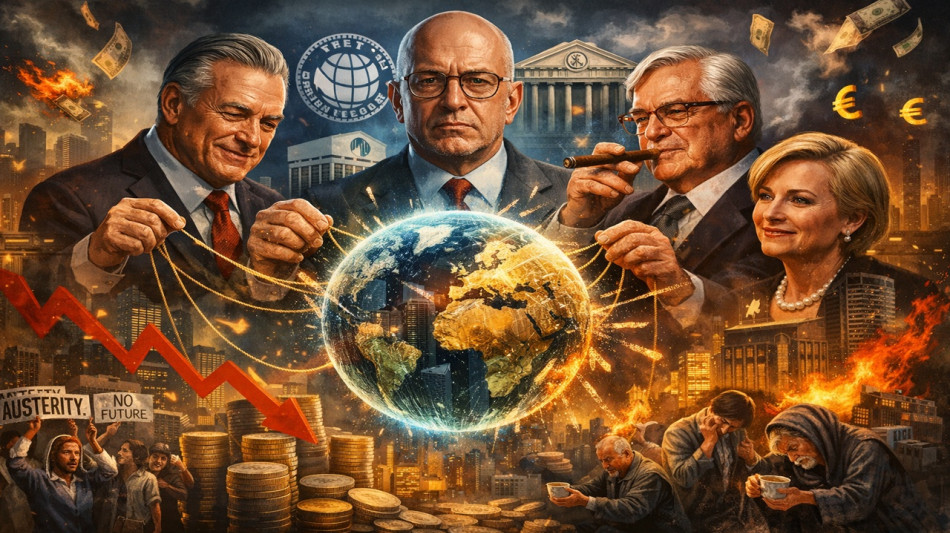
Saudi Arabia, long a symbol of oil-driven wealth, faces mounting economic challenges that threaten its financial stability this decade. The kingdom’s heavy reliance on oil revenues, coupled with ambitious spending plans and global market shifts, has created a precarious fiscal situation. Analysts warn that without significant reforms, the nation risks depleting its reserves and spiralling towards bankruptcy.

The core issue lies in Saudi Arabia’s dependence on oil, which accounts for a substantial portion of its income. Global oil prices have been volatile, recently dipping below $60 per barrel, a level far too low to sustain the kingdom’s budget. The International Monetary Fund estimates that Saudi Arabia requires oil prices above $90 per barrel to balance its national budget. With production costs among the lowest globally, the kingdom can withstand lower prices longer than many competitors, but the prolonged slump is eroding its fiscal buffers. First-quarter oil revenue this year fell 18% year-on-year, reflecting both lower prices and stagnant production levels.

Compounding this is the kingdom’s aggressive spending under Vision 2030, a transformative plan to diversify the economy. Mega-projects like NEOM, a futuristic city, and investments in tourism, technology, and entertainment require vast capital. The Public Investment Fund, tasked with driving these initiatives, plans to inject $267 billion into the local economy by 2025. While non-oil revenue grew 2% in the first quarter, it remains insufficient to offset the decline in oil income. The government’s budget deficit is projected to widen to nearly 5% of GDP this year, up from 2.5% last year, with estimates suggesting a shortfall as high as $67 billion.

Saudi Arabia’s foreign reserves, once peaking at $746 billion in 2014, have dwindled to $434.6 billion by late 2023. The Saudi Arabian Monetary Agency has shifted funds to the Public Investment Fund and financed post-pandemic recovery, further straining reserves. To bridge the gap, the kingdom has turned to borrowing, with public debt now exceeding $300 billion. Plans to issue an additional $11 billion in bonds and sukuk this year signal a growing reliance on debt markets. The debt-to-GDP ratio, while relatively low at 26%, is rising steadily, raising concerns about long-term sustainability.

Global economic conditions add further pressure. Demand for oil is softening due to a slowing global economy, particularly in major markets like China. Saudi Arabia’s strategy of flooding markets to maintain share, as seen in past price wars, risks backfiring. Unlike previous campaigns in 2014 and 2020, which successfully curbed rival production, current efforts may fail to stimulate demand, leaving the kingdom exposed to prolonged low prices. The decision to unwind OPEC+ production cuts, adding nearly a million barrels per day to global supply, has driven prices lower, undermining revenue goals.

Domestically, the kingdom faces challenges in sustaining its social contract. High government spending on wages, subsidies, and infrastructure has long underpinned public support. Over two-thirds of working Saudis are employed by the state, with salaries consuming a significant portion of the budget. Cost-cutting measures, such as subsidy reductions and new taxes, have sparked unease among citizens accustomed to generous welfare. Military spending, including involvement in regional conflicts like Yemen, continues to drain resources, with no clear resolution in sight.

Efforts to diversify the economy are underway but face hurdles. Vision 2030 aims to boost private sector contribution to 65% of GDP by 2030, yet progress is slow. Non-oil sectors like tourism and manufacturing are growing but remain nascent. Local content requirements, such as Saudi Aramco’s push for 70% local procurement by 2025, aim to stimulate domestic industry but may deter foreign investors wary of restrictive regulations. Meanwhile, the kingdom’s young population, with high expectations for jobs and opportunities, adds pressure to deliver tangible results.

Geopolitical factors also play a role. Recent trade deals, including a $142 billion defence agreement with the United States, reflect Saudi Arabia’s strategic priorities but strain finances further. Investments in artificial intelligence and other sectors are part of a broader push to position the kingdom as a global player, yet these come at a time when fiscal prudence is critical. The kingdom’s ability to navigate these commitments while addressing domestic needs will be a delicate balancing act.

Saudi Arabia is not without tools to avert crisis. Its low production costs provide a competitive edge, and its substantial reserves, though diminished, offer a buffer. The government has signalled readiness to cut costs and raise borrowing, potentially delaying or scaling back some Vision 2030 projects. Privatisation and public-private partnerships could alleviate fiscal pressure, as could a rebound in oil prices, though the latter seems unlikely in the near term. The kingdom’s bankruptcy law, overhauled in 2018, provides a framework for restructuring distressed entities, potentially mitigating corporate failures.

However, the path forward is fraught with risks. Continued low oil prices, failure to diversify revenue streams, and unchecked spending could deplete reserves within years. A devaluation of the Saudi riyal, pegged to the US dollar, looms as a possibility, which could trigger inflation and unrest. Political stability, long tied to economic prosperity, may be tested if public discontent grows. The kingdom’s leadership must act decisively to reform spending, accelerate diversification, and bolster non-oil growth to avoid a financial reckoning.

Saudi Arabia stands at a crossroads. Its vision for a diversified, modern economy is ambitious, but the realities of a volatile oil market and mounting debt threaten to derail progress. Without bold reforms, the kingdom risks sliding towards financial distress, a scenario that would reverberate across the region and beyond. The coming years will test whether Saudi Arabia can redefine its economic model or succumb to the weight of its own ambitions.


Featured


Marhabaan, welcome to the UAE and Dubai!

Marhabaan, welcome to the UAE and Dubai! The "skyward striving" Dubai next to ancient desert cities. Mysterious Bedouins and magnificent mosques exist peacefully alongside futuristic cities. Discover wadis and oases, golden sandy deserts, paradisiacal beaches and Arabian hospitality. The modern and the ancient Orient united in a book for dreaming.On this journey to Dubai and Abu Dhabi in the United Arab Emirates, the fairy tales of 1001 Arabian Nights meet the modern Arab world. These cascading cities enchant with their sky-high skyscrapers, fragrant souks, huge shopping centres and the ancient cultural heritage of the sheikhs.You can choose to stay in 4- or 5-star hotels with breakfast and swimming pools. You also have more options to book excursions so you can feel the magic of the East even more. If you want to do something out of the ordinary, you can spend an extra night in an enchanting hotel in the middle of the emirate's desert. Experience your own fairytale from 1001 nights and look forward to a holiday with plenty of casual extravagance in two superlative desert cities!

Trade and business at the Dubai Gold Souk

If Naif Deira is associated with a specific context, organization, or field, providing more details could help me offer more relevant information. Keep in mind that privacy considerations and ethical guidelines limit the amount of information available about private individuals, especially those who are not public figures. The Dubai Gold Souk is one of the most famous gold markets in the world and is located in the heart of Dubai's commercial business district in Deira. It's a traditional market where you can find a wide variety of gold, silver, and precious stone jewelry. The Gold Souk is known for its extensive selection of jewelry, including rings, bracelets, necklaces, and earrings, often crafted with intricate designs.Variety: The Gold Souk offers a vast array of jewelry designs, with a focus on gold. You can find items ranging from traditional to modern styles.Competitive Pricing: The market is known for its competitive pricing, and bargaining is a common practice. Prices are typically based on the weight of the gold and the craftsmanship involved.Gold and More: While gold is the primary focus, the souk also offers other precious metals such as silver and platinum, as well as a selection of gemstones.Cultural Experience: Visiting the Gold Souk provides not only a shopping experience but also a glimpse into the traditional trading culture of Dubai. The vibrant market is a popular destination for both tourists and locals.Security: The market is generally safe, and there are numerous shops with security measures in place. However, as with any crowded area, it's advisable to take standard precautions regarding personal belongings.Gold Souk is just one part of the larger Deira Souk complex, which also includes the Spice Souk and the Textile Souk. It's a must-visit for those interested in jewelry, and it reflects the rich cultural and trading history of Dubai.

Dubai: Amazing City Center, Night Walking Tour

During this excursion, we leisurely explore Dubai Downtown and Burj Khalifa in the evening, giving you the chance to witness the captivating transformation of the district as it comes alive with the vibrant glow of thousands of lights. As the sun sets, the illuminated facade of Burj Khalifa and the enchanting Dubai Fountain collaborate to produce a genuinely magical atmosphere.Dubai Downtown, also known as Downtown Dubai, is a distinguished and iconic district situated in the heart of Dubai, United Arab Emirates. It is a renowned neighborhood celebrated for its striking architecture, luxurious living, and exceptional entertainment options. At the core of Downtown Dubai stands the Burj Khalifa, a towering skyscraper that holds the title of the world's tallest man-made structure and serves as an emblem of modern Dubai.Burj Khalifa: The focal point of Downtown Dubai, Burj Khalifa, is famous for its groundbreaking height, reaching an impressive 828 meters (2,722 feet). Designed by architect Adrian Smith, its distinctive Y-shaped design encompasses a mix of residential, commercial, and hotel spaces.Dubai Mall: Adjacent to Burj Khalifa is the Dubai Mall, one of the largest shopping malls globally, featuring an extensive array of retail outlets, from high-end boutiques to international brands. The mall also provides various dining options, and entertainment attractions like an indoor ice rink and an aquarium, and hosts the mesmerizing Dubai Fountain.Dubai Fountain: Located just outside the Dubai Mall, the Dubai Fountain is a captivating attraction that presents a nightly spectacle of water, music, and light, captivating visitors with its perfectly synchronized performances.Emaar Boulevard: Stretching through Downtown Dubai, this boulevard is adorned with restaurants, cafes, and shops, making it a popular spot for leisurely strolls, dining, and people-watching.Luxury Living: Downtown Dubai boasts numerous upscale residential buildings and hotels, making it an appealing locale for those seeking a sophisticated urban lifestyle.Cultural Attractions: The Dubai Opera, an iconic cultural venue within the district, hosts a diverse range of performances, including opera, ballet, concerts, and theater productions.Transportation: Downtown Dubai is well-connected through public transportation, including the Dubai Metro, facilitating easy access to other parts of the city.In summary, Downtown Dubai is a dynamic and vibrant district that stands as a testament to Dubai's modernity and grandeur. It seamlessly combines architectural wonders with shopping, entertainment, and cultural offerings, creating a truly extraordinary destination.