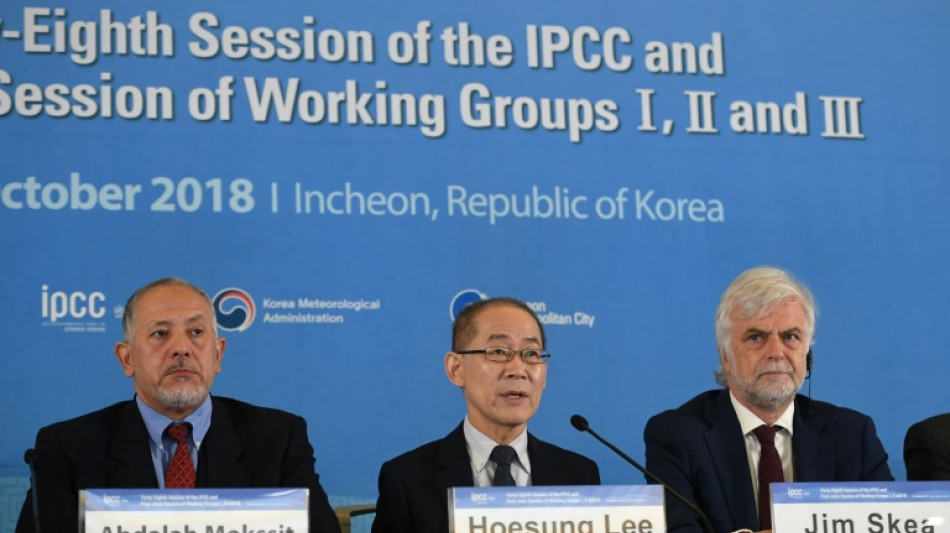
IPCC: the climate handbook for a 'liveable' future / Photo: Jung Yeon-je - AFP/File
Earth is hotter than it has been in 125,000 years, but deadly heatwaves, storms and floods amplified by global warming could be but a foretaste as planet-heating fossil fuels put a "liveable" future at risk.
So concludes the UN Intergovernmental Panel on Climate Change (IPCC), which started a week-long meeting Monday to distill six landmark reports totalling 10,000 pages prepared by more than 1,000 scientists over the last six years.
Here are some of the main findings from those reports:
- 1.5C or 2C? -
The 2015 Paris Agreement called for capping global warming well below two degrees Celsius compared to late-19th century levels.
But a landmark IPCC report in 2018 left no doubt: only the treaty's more ambitious aspirational limit of 1.5C could ensure a climate-safe world.
But the report cautioned that achieving this goal will require "unprecedented changes in all aspects of society".
Greenhouse gas emissions must drop 43 percent by 2030 -- and 84 percent by mid-century -- to stay within the threshold.
And yet, emissions have continued to rise. The world is very likely to overshoot the 1.5C limit, even if temporarily.
Every fraction of a degree counts.
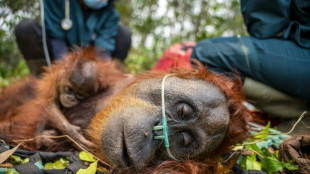
At 1.5C of warming, 14 percent of terrestrial species will face an extinction risk.
If temperatures rise to 2C, 99 percent of warm-water coral reefs -- home to a quarter of marine life -- will perish, and staple food crops will decline.
The IPCC reports emphasise as never before the danger of "tipping points", temperature thresholds in the climate system that could, once crossed, result in catastrophic and irreversible change.
The Amazon basin, for example, is already morphing from tropical forest to savannah.
Warming between 1.5C and 2C could push Arctic sea ice, methane-laden permafrost, and ice sheets with enough frozen water to lift oceans by a dozen metres past points of no return.
- Avalanche of suffering -
The 2022 IPCC report on impacts -- described by UN chief Antonio Guterres as an "atlas of human suffering" -- catalogued the enormous challenges ahead for humanity.
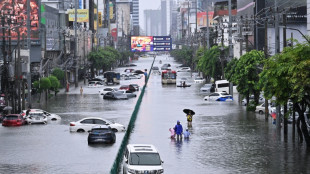
Between 3.3 and 3.6 billion are "highly vulnerable" to global warming's effects, including deadly heatwaves, drought, water shortages, and disease-carrying mosquitos and ticks.
Climate change has adversely affected physical health worldwide, and mental health in regions where data is available.
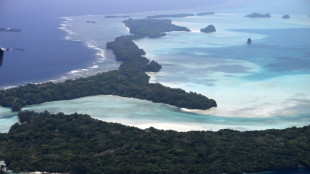
By 2050, many flood-vulnerable coastal megacities and small island nations will experience what were formerly once-a-century weather disasters every year.
These and other impacts are set to become worse, and will disproportionately harm the most vulnerable populations, including indigenous peoples.
"The cumulative scientific evidence is unequivocal: Climate change is a threat to human wellbeing and planetary health," said the IPCC impacts report last year.
Further delays in cutting carbon pollution and preparing for impacts already in the pipeline "will miss a brief and rapidly closing window of opportunity to secure a liveable and sustainable future for all."
- Ecosystems on the edge -
Fortunately for us, forests, plants and soil absorb and store nearly one third of all human-made emissions.
But intensive exploitation of these natural resources also generates planet-warming CO2, methane and nitrous oxide. Agriculture consumes 70 percent of Earth's freshwater supply.
Oceans have kept the planet liveable by absorbing a quarter of human-made CO2 and soaking up more than 90 percent of the excess heat generated by greenhouse gases.
But this has come at a cost: seas have grown acidic, potentially undermining their capacity to draw down CO2, and warmer surface water has expanded the force and range of deadly tropical storms.
- Fossil fuels -
All roads leading to a liveable world "involve rapid and deep and in most cases immediate greenhouse gas emissions reductions in all sectors", including industry, transportation, agriculture, energy and cities, the IPCC concluded.
Hitting the Paris temperature goals will require a massive reduction in fossil fuel use, the IPCC says.
Coal-fired power plants that do not deploy carbon capture technology to syphon off CO2 pollution must decline by 70 to 90 percent within eight years. By 2050, the world must be carbon neutral, compensating any residual emissions with removals from the atmosphere.
The world must also tackle methane (CH4), the IPCC warns. The second most important atmospheric pollutant after CO2 comes from leaks in fossil fuel production and agriculture, as well as natural sources such as wetlands.
CH4 levels are their highest in at least two million years.
The good news, the IPCC stresses, is that the alternatives to planet-heating fuels have become significantly cheaper. From 2010 to 2019, the unit costs of solar energy fell 85 percent, while wind power dropped 55 percent.
"It's now or never, if we want to limit global warming to 1.5C," said Jim Skea, a professor at Imperial College London and co-chair of the working group behind the report on cutting emissions last year.
Y.Chaudhry--DT