Dubai Telegraph - Europe's Economic Self-Sabotage

EUR -
AED 4.237919
AFN 75.006812
ALL 91.71831
AMD 418.460854
ANG 2.066012
AOA 1058.182593
ARS 1740.061341
AUD 1.618017
AWG 2.07713
AZN 1.962775
BAM 1.955124
BBD 2.323497
BDT 142.010318
BGN 1.942626
BHD 0.43495
BIF 3448.898007
BMD 1.153961
BND 1.466232
BOB 13.907195
BRL 5.929972
BSD 1.153601
BTN 110.171456
BWP 15.602609
BYN 3.509487
BYR 22617.641203
BZD 2.320198
CAD 1.605067
CDF 2665.650835
CHF 0.943854
CLF 0.027908
CLP 1101.952519
CNY 7.743661
CNH 7.743784
COP 3595.962619
CRC 519.620462
CUC 1.153961
CUP 30.579974
CVE 110.226915
CZK 24.287077
DJF 205.439017
DKK 7.475315
DOP 68.126461
DZD 154.17925
EGP 59.593561
ERN 17.309419
ETB 188.438391
FJD 2.551986
FKP 0.852932
GBP 0.855472
GEL 2.993769
GGP 0.852932
GHS 13.249422
GIP 0.852932
GMD 85.393575
GNF 10142.759182
GTQ 8.81007
GYD 241.356607
HKD 9.051153
HNL 30.963302
HRK 7.533636
HTG 150.782475
HUF 365.83977
IDR 20391.649883
ILS 3.522986
IMP 0.852932
INR 110.586403
IQD 1511.271281
IRR 1586206.334795
ISK 139.964147
JEP 0.852932
JMD 182.057096
JOD 0.818131
JPY 178.5917
KES 149.391902
KGS 100.913961
KHR 4677.525703
KMF 491.587847
KPW 1038.565524
KRW 1561.840356
KWD 0.356455
KYD 0.961368
KZT 516.44156
LAK 25810.082158
LBP 103761.742216
LKR 379.658821
LRD 201.309572
LSL 18.741425
LTL 3.407347
LVL 0.698019
LYD 7.320471
MAD 10.936821
MDL 20.08506
MGA 4977.280261
MKD 61.503749
MMK 2423.032499
MNT 4149.505232
MOP 9.320439
MRU 46.329992
MUR 54.340124
MVR 17.782886
MWK 2000.408823
MXN 19.783477
MYR 4.698809
MZN 73.73214
NAD 18.741425
NGN 1528.468029
NIO 42.456434
NOK 10.77044
NPR 176.275094
NZD 2.003979
OMR 0.44369
PAB 1.153601
PEN 3.877344
PGK 5.133315
PHP 72.549532
PKR 319.817597
PLN 4.340854
PYG 6938.60259
QAR 4.216743
RON 5.254452
RSD 117.364537
RUB 97.510151
RWF 1702.211856
SAR 4.32975
SBD 9.254191
SCR 15.85166
SDG 694.10459
SEK 11.276931
SGD 1.467579
SHP 0.854754
SLE 28.445229
SLL 24197.981815
SOS 659.27221
SRD 43.58165
STD 23884.668779
STN 24.491962
SVC 10.094512
SYP 15003.804932
SZL 18.727529
THB 38.352482
TJS 10.653773
TMT 4.038865
TND 3.376333
TOP 2.778462
TRY 56.128442
TTD 7.833293
TWD 36.677734
TZS 3052.952309
UAH 51.493908
UGX 4522.437418
USD 1.153961
UYU 46.463745
UZS 13578.24964
VES 970.693817
VND 30008.763239
VUV 135.303329
WST 3.157225
XAF 655.957
XAG 0.018151
XAU 0.000268
XCD 3.118638
XCG 2.079173
XDR 0.815911
XOF 655.957
XPF 119.331742
YER 272.94074
ZAR 18.771944
ZMK 10387.036768
ZMW 22.294297
ZWL 371.575063
SSP 6519.016235
MXV 2.243465
  • RBGPF

    1.9700

    69.99

    +2.81%

  • NGG

    -1.9000

    74.96

    -2.53%

  • CMSC

    -0.0300

    20.42

    -0.15%

  • AZN

    3.6100

    163.78

    +2.2%

  • RELX

    1.9200

    35.72

    +5.38%

  • GSK

    1.9200

    50.05

    +3.84%

  • BCE

    0.0800

    23.47

    +0.34%

  • RIO

    -2.3200

    97.64

    -2.38%

  • BTI

    2.0500

    57.29

    +3.58%

  • CMSD

    -0.0800

    20.24

    -0.4%

  • BCC

    -0.1900

    75.25

    -0.25%

  • RYCEF

    -0.5000

    19.04

    -2.63%

  • JRI

    -0.0500

    11.96

    -0.42%

  • VOD

    0.1300

    17.53

    +0.74%

  • BP

    -0.1700

    45.93

    -0.37%


Europe's Economic Self-Sabotage


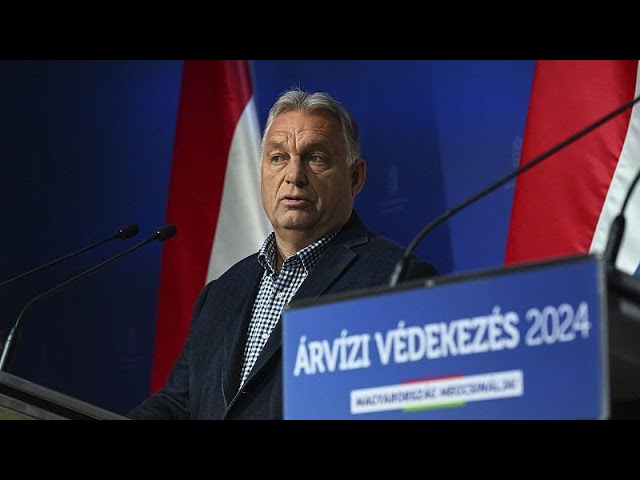
Europe, once a beacon of economic prowess, is grappling with challenges that threaten its unique economic model. The European Union's economy, valued at approximately $20.29 trillion in nominal terms in 2025, stands as the second largest globally, yet it faces stagnation and competitive decline. Germany, France, and Italy, which collectively account for over half of the EU’s GDP, are pivotal to this narrative, but their struggles reverberate across the bloc.

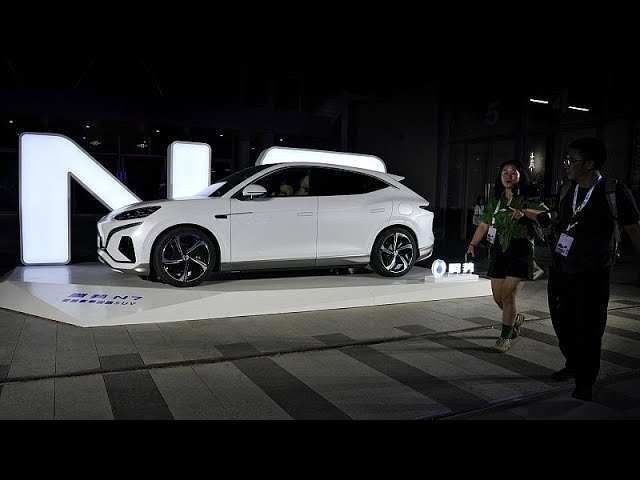
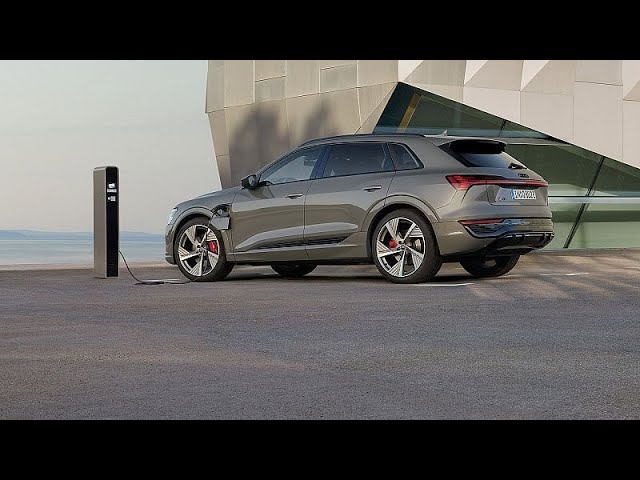
The EU’s economic woes stem from a confluence of internal and external pressures. Germany, the bloc’s largest economy, contracted by 0.3% in the final quarter of 2023, hampered by high energy costs, a shortage of skilled labour, and chronic underinvestment in infrastructure. The automotive sector, a cornerstone of German industry, faces existential threats from Chinese electric vehicle manufacturers, who are flooding European markets with affordable alternatives. Central and Eastern Europe, heavily integrated into German supply chains, feel the ripple effects, with countries like Hungary and Slovakia at risk as demand falters.

Innovation, or the lack thereof, is a critical issue. The EU has failed to meet its target of spending 3% of GDP on research and development, languishing at around 2% for decades. This shortfall is stark when compared to the United States, where tech giants like Amazon and Alphabet dominate global innovation. Europe’s universities, with only one institution in the global top 30, struggle to drive cutting-edge research, and much of the bloc’s R&D funding is misallocated, particularly in Germany, where it is heavily skewed towards the automotive sector. This lack of diversification leaves Europe vulnerable in a rapidly evolving global economy.

Energy policy further complicates the picture. Despite a 26% reduction in greenhouse gas emissions per employed person over the past decade, 70% of the EU’s energy still comes from fossil fuels, and the bloc remains 63% dependent on imported fuel. The push for renewables, while commendable, is uneven—Sweden leads with nearly two-thirds of its energy from renewable sources, while countries like Ireland and Belgium lag behind. High energy prices, exacerbated by geopolitical tensions and the loss of Russian gas supplies, have strained energy-intensive industries, particularly in Germany.

Trade dynamics add another layer of complexity. The EU is the world’s largest exporter of manufactured goods and services, accounting for 14% of global trade. However, the spectre of tariffs, particularly from the United States, looms large. With over €500 billion in annual exports to the U.S., any imposition of tariffs could devastate European industries. The EU’s response—potential counter-tariffs or World Trade Organization complaints—may not suffice to protect its markets, especially as global supply chains face disruptions from conflicts and protectionist policies.

Internally, the EU’s single market, a cornerstone of its economic integration, is under strain. Calls for deeper integration, including a capital markets union and harmonised regulations, are met with resistance from member states guarding national interests. The EU’s budget, at €2 trillion for 2021–2027, is substantial but insufficient to address cross-border challenges like defence or green energy transitions. Moreover, the Council of Ministers’ veto system hampers swift decision-making, stalling progress on critical issues like a unified defence policy or fiscal coordination.

The EU’s social model, with 26.8% of GDP spent on welfare in 2023, is a point of pride but also a burden. High public debt in countries like Greece, Italy, and France, all exceeding 100% of GDP, limits fiscal flexibility. Austerity policies in the past have stifled growth, and the bloc’s projected population decline—to 420 million by 2100—raises concerns about sustaining this model amid an ageing workforce.

Geopolitical fragmentation exacerbates these challenges. The EU’s trade openness, with extra-EU trade exceeding 40% of GDP, makes it vulnerable to global disruptions. Initiatives like the Global Gateway aim to build resilient supply chains, but they compete with China’s Belt and Road and face internal coordination hurdles. Meanwhile, the euro, the world’s second most traded currency, is under scrutiny as global debt levels soar and the U.S. dollar’s dominance raises questions about financial stability.

Europe’s tourism sector, a bright spot, underscores its cultural and economic allure, accounting for 60% of global international visitors. Yet, even this strength is at risk from economic uncertainty and potential trade wars, which could deter visitors and disrupt the 1.1 billion annual tourism trips by EU residents.

The EU stands at a crossroads. Its unique blend of free-market principles and social welfare, coupled with an integrated single market, has long been a global model. However, without bold reforms—streamlining regulations, boosting innovation, diversifying energy sources, and deepening integration—the bloc risks undermining its economic vitality. The path forward demands urgency and unity, lest Europe’s economic legacy becomes a cautionary tale.
Featured


Marhabaan, welcome to the UAE and Dubai!

Marhabaan, welcome to the UAE and Dubai! The "skyward striving" Dubai next to ancient desert cities. Mysterious Bedouins and magnificent mosques exist peacefully alongside futuristic cities. Discover wadis and oases, golden sandy deserts, paradisiacal beaches and Arabian hospitality. The modern and the ancient Orient united in a book for dreaming.On this journey to Dubai and Abu Dhabi in the United Arab Emirates, the fairy tales of 1001 Arabian Nights meet the modern Arab world. These cascading cities enchant with their sky-high skyscrapers, fragrant souks, huge shopping centres and the ancient cultural heritage of the sheikhs.You can choose to stay in 4- or 5-star hotels with breakfast and swimming pools. You also have more options to book excursions so you can feel the magic of the East even more. If you want to do something out of the ordinary, you can spend an extra night in an enchanting hotel in the middle of the emirate's desert. Experience your own fairytale from 1001 nights and look forward to a holiday with plenty of casual extravagance in two superlative desert cities!

Trade and business at the Dubai Gold Souk

If Naif Deira is associated with a specific context, organization, or field, providing more details could help me offer more relevant information. Keep in mind that privacy considerations and ethical guidelines limit the amount of information available about private individuals, especially those who are not public figures. The Dubai Gold Souk is one of the most famous gold markets in the world and is located in the heart of Dubai's commercial business district in Deira. It's a traditional market where you can find a wide variety of gold, silver, and precious stone jewelry. The Gold Souk is known for its extensive selection of jewelry, including rings, bracelets, necklaces, and earrings, often crafted with intricate designs.Variety: The Gold Souk offers a vast array of jewelry designs, with a focus on gold. You can find items ranging from traditional to modern styles.Competitive Pricing: The market is known for its competitive pricing, and bargaining is a common practice. Prices are typically based on the weight of the gold and the craftsmanship involved.Gold and More: While gold is the primary focus, the souk also offers other precious metals such as silver and platinum, as well as a selection of gemstones.Cultural Experience: Visiting the Gold Souk provides not only a shopping experience but also a glimpse into the traditional trading culture of Dubai. The vibrant market is a popular destination for both tourists and locals.Security: The market is generally safe, and there are numerous shops with security measures in place. However, as with any crowded area, it's advisable to take standard precautions regarding personal belongings.Gold Souk is just one part of the larger Deira Souk complex, which also includes the Spice Souk and the Textile Souk. It's a must-visit for those interested in jewelry, and it reflects the rich cultural and trading history of Dubai.

Dubai: Amazing City Center, Night Walking Tour

During this excursion, we leisurely explore Dubai Downtown and Burj Khalifa in the evening, giving you the chance to witness the captivating transformation of the district as it comes alive with the vibrant glow of thousands of lights. As the sun sets, the illuminated facade of Burj Khalifa and the enchanting Dubai Fountain collaborate to produce a genuinely magical atmosphere.Dubai Downtown, also known as Downtown Dubai, is a distinguished and iconic district situated in the heart of Dubai, United Arab Emirates. It is a renowned neighborhood celebrated for its striking architecture, luxurious living, and exceptional entertainment options. At the core of Downtown Dubai stands the Burj Khalifa, a towering skyscraper that holds the title of the world's tallest man-made structure and serves as an emblem of modern Dubai.Burj Khalifa: The focal point of Downtown Dubai, Burj Khalifa, is famous for its groundbreaking height, reaching an impressive 828 meters (2,722 feet). Designed by architect Adrian Smith, its distinctive Y-shaped design encompasses a mix of residential, commercial, and hotel spaces.Dubai Mall: Adjacent to Burj Khalifa is the Dubai Mall, one of the largest shopping malls globally, featuring an extensive array of retail outlets, from high-end boutiques to international brands. The mall also provides various dining options, and entertainment attractions like an indoor ice rink and an aquarium, and hosts the mesmerizing Dubai Fountain.Dubai Fountain: Located just outside the Dubai Mall, the Dubai Fountain is a captivating attraction that presents a nightly spectacle of water, music, and light, captivating visitors with its perfectly synchronized performances.Emaar Boulevard: Stretching through Downtown Dubai, this boulevard is adorned with restaurants, cafes, and shops, making it a popular spot for leisurely strolls, dining, and people-watching.Luxury Living: Downtown Dubai boasts numerous upscale residential buildings and hotels, making it an appealing locale for those seeking a sophisticated urban lifestyle.Cultural Attractions: The Dubai Opera, an iconic cultural venue within the district, hosts a diverse range of performances, including opera, ballet, concerts, and theater productions.Transportation: Downtown Dubai is well-connected through public transportation, including the Dubai Metro, facilitating easy access to other parts of the city.In summary, Downtown Dubai is a dynamic and vibrant district that stands as a testament to Dubai's modernity and grandeur. It seamlessly combines architectural wonders with shopping, entertainment, and cultural offerings, creating a truly extraordinary destination.