Dubai Telegraph - Beijing's new Taiwan playbook

EUR -
AED 4.183272
AFN 75.735568
ALL 93.708204
AMD 416.395839
AOA 1044.536686
ARS 1704.59367
AUD 1.627339
AWG 2.050344
AZN 1.94038
BAM 1.955268
BBD 2.294506
BDT 140.631734
BHD 0.429281
BIF 3402.959127
BMD 1.13908
BND 1.469658
BOB 12.821905
BRL 5.787551
BSD 1.139205
BTN 109.206599
BWP 15.641362
BYN 3.26814
BYR 22325.969164
BZD 2.291197
CAD 1.606883
CDF 2574.320515
CHF 0.928332
CLF 0.027367
CLP 1077.091045
CNY 7.713969
CNH 7.708599
COP 3667.029044
CRC 518.461204
CUC 1.13908
CUP 30.185622
CVE 110.235005
CZK 24.156922
DJF 202.872813
DKK 7.475794
DOP 66.283419
DZD 151.88701
EGP 57.704998
ERN 17.086201
ETB 183.881017
FJD 2.53696
FKP 0.855037
GBP 0.855284
GEL 2.990091
GGP 0.855037
GHS 13.260799
GIP 0.855037
GMD 84.291543
GNF 9995.280311
GTQ 8.692597
GYD 238.254584
HKD 8.932848
HNL 30.516366
HRK 7.536381
HTG 148.922747
HUF 359.801045
IDR 20564.438806
ILS 3.459215
IMP 0.855037
INR 109.280778
IQD 1492.42667
IRR 1566235.081968
ISK 142.817623
JEP 0.855037
JMD 180.23096
JOD 0.807611
JPY 186.392258
KES 147.477064
KGS 99.612176
KHR 4601.929629
KMF 494.36103
KRW 1674.504965
KWD 0.353423
KYD 0.949379
KZT 541.340327
LAK 25822.427178
LBP 102019.875387
LKR 383.075766
LRD 206.19842
LSL 19.028039
LTL 3.363408
LVL 0.689018
LYD 7.298014
MAD 10.664798
MDL 20.022343
MGA 4898.71008
MKD 61.513262
MMK 2391.543122
MNT 4091.030743
MOP 9.201998
MRU 45.477626
MUR 53.923685
MVR 17.598737
MWK 1975.440529
MXN 19.883132
MYR 4.653714
MZN 72.785473
NAD 19.028874
NGN 1552.953771
NIO 41.918594
NOK 10.983756
NPR 174.723458
NZD 1.966627
OMR 0.437981
PAB 1.13921
PEN 3.871047
PGK 5.100612
PHP 70.345601
PKR 316.445496
PLN 4.32286
PYG 6889.125488
QAR 4.15297
RON 5.232142
RSD 117.436865
RUB 88.845924
RWF 1677.009941
SAR 4.268917
SBD 9.205025
SCR 16.824722
SDG 684.006786
SEK 11.04415
SGD 1.469738
SLE 27.594175
SOS 651.022858
SRD 43.048681
STD 23576.657436
STN 24.493658
SVC 9.968288
SZL 19.02574
THB 38.240629
TJS 10.515354
TMT 3.98678
TND 3.375082
TRY 53.944569
TTD 7.736963
TWD 36.794572
TZS 3007.134902
UAH 51.163479
UGX 4277.892331
USD 1.13908
UYU 45.747552
UZS 13642.28797
VES 844.401646
VND 29974.891763
VUV 135.651142
WST 3.13967
XAF 655.804465
XAG 0.019294
XAU 0.000278
XCD 3.078421
XCG 2.053141
XDR 0.814931
XOF 655.778564
XPF 119.331742
YER 271.727253
ZAR 19.066241
ZMK 10253.084262
ZMW 21.286862
ZWL 366.783314
  • VOD

    -0.1000

    15.15

    -0.66%

  • CMSC

    -0.0650

    21.725

    -0.3%

  • JRI

    0.1600

    13.06

    +1.23%

  • NGG

    -0.0700

    82.3

    -0.09%

  • RBGPF

    -0.7300

    66

    -1.11%

  • BCE

    0.0900

    21.3

    +0.42%

  • GSK

    0.6100

    51.35

    +1.19%

  • BCC

    1.3800

    77.84

    +1.77%

  • RIO

    -0.2900

    91.22

    -0.32%

  • RYCEF

    -0.1900

    18.17

    -1.05%

  • RELX

    1.5500

    34.41

    +4.5%

  • BTI

    1.1200

    60.96

    +1.84%

  • AZN

    0.9900

    169.26

    +0.58%

  • CMSD

    -0.0200

    21.98

    -0.09%

  • BP

    -0.1100

    43.82

    -0.25%


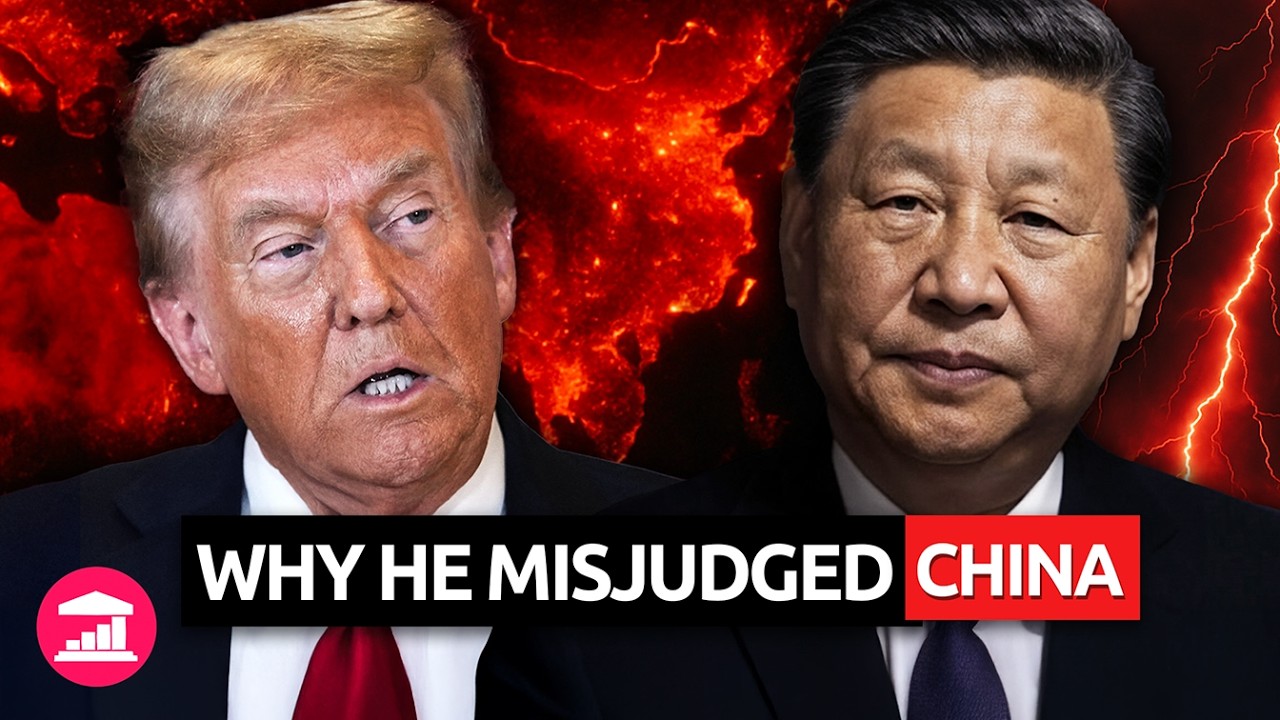
Beijing's new Taiwan playbook


Beijing's military machinery and political ambitions have moved it closer to a point where it could attempt to seize Taiwan by force.  Decades of double‑digit defence spending have yielded advanced amphibious assault vessels, fleets of hypersonic and ballistic missiles and an air force that can saturate airspace around the island.  Naval analysts note that the People’s Liberation Army Navy’s new Type 054B guided‑missile frigates incorporate artificial‑intelligence‑enabled sensors to improve anti‑submarine warfare and fleet air defence and can undertake long‑range escort missions.  Dozens of civilian‑flagged research vessels, operating under the cover of scientific exploration, have spent years mapping the seabed across the western Pacific and as far afield as Guam and Hawaii to improve Chinese submarine navigation and to erode the United States’ traditional advantage in undersea warfare.  Expanded missile launch infrastructure in Xinjiang, featuring scores of launch pads, is intended to increase the survivability of China’s land‑based nuclear forces.

Yet despite these capabilities, Beijing has shown little appetite for a near‑term invasion.  A recent threat assessment by the United States’ intelligence community concluded that Chinese leaders do not currently plan to execute an invasion by 2027 and lack a fixed timetable for unification.  Taiwan’s defence ministry concurs that China’s build‑up is relentless but emphasises that deterrence, rather than assumptions about invasion windows, will shape Beijing’s calculations.  Analysts argue that a war would trigger unprecedented economic costs.  Taiwan’s semiconductor industry underpins global technology supply chains and about a fifth of world trade transits the Taiwan Strait.  Any conflict that closed this artery would reverberate through financial markets, manufacturing and energy supplies.  Even without U.S. intervention, Chinese leadership would risk social stability at home if a miscalculated assault stalled or provoked severe sanctions.

Against this backdrop, Beijing has refined what some analysts describe as a grey‑zone strategy — a web of coercive measures designed to wear down Taiwan’s morale and manoeuvre it towards “reunification” without firing a shot.  People’s Liberation Army aircraft entered Taiwan’s air defence identification zone more than three hundred times a month after William Lai’s 2024 election, only for the number of incursions to fall sharply in 2026 as planners redistributed sorties to training and maintenance.  China’s coast guard now conducts routine multi‑ship patrols in the restricted waters around Kinmen and Pratas, two Taiwanese‑administered archipelagos close to the mainland, to normalise jurisdictional claims and erode Taiwan’s threat awareness.  As part of the large‑scale “Strait Thunder 2025A” and “Justice Mission 2025” exercises, the People’s Liberation Army practised cutting power and blockading Taiwan’s liquefied natural gas terminals — a rehearsal for imposing energy strangulation during a future crisis.

Energy insecurity is a key prong of Beijing’s hybrid approach.  Taiwan imports around 97 percent of its energy, with liquefied natural gas accounting for roughly half of electricity generation.  When war in Iran temporarily choked off shipments through the Strait of Hormuz earlier this year, Chinese‑language social media channels flooded TikTok and Xiaohongshu with ominous videos claiming Taiwan’s gas reserves would expire within a fortnight and extolling “peaceful unification” as the only remedy.  Officials from the Taiwan Affairs Office even offered to supply electricity and gas from the mainland as soon as Taiwan surrendered its sovereignty.  Taiwan’s government countered by publicising the diversification of its imports, increasing strategic reserves and conducting joint navy‑coast‑guard drills to escort fuel tankers through potential blockades.  Such moves aim to reassure citizens and blunt the psychological impact of Beijing’s energy narratives.

Political infiltration forms another component of the grey‑zone campaign.  Beijing has long supported parties in Taiwan that advocate a looser relationship with the mainland, but recent cases show a willingness to back actors whose public stance on unification is ambiguous.  Taiwanese courts convicted a former spokesperson for the Taiwan People’s Party (TPP) after she accepted funds from Chinese handlers and provided contact lists of government agencies.  Investigators say the case is not isolated: election interference and covert recruitment have targeted both the centrist TPP and elements of the governing Democratic Progressive Party (DPP).  At the international level, Chinese diplomats persuade or pressure host governments to label Taiwan as a province of China; Taiwan stayed away from this year’s World Trade Organization ministerial in Yaoundé after delegates were issued documents bearing that designation.

This cognitive warfare extends to culture and education.  President William Lai has warned that video‑sharing platforms may be used to cultivate the notion that Taiwanese and mainland Chinese people are “one family” and to foster resignation towards annexation.  His administration has banned certain Chinese apps from public‑sector devices and proposed curriculum changes to strengthen civic identity and debunk disinformation.  Opinion polls still show a solid majority of Taiwanese identifying as Taiwanese rather than Chinese, suggesting that Beijing’s narrative campaigns have yet to shift the island’s self‑perception.

While China deploys these non‑military tools, Taiwan is struggling to adapt its defence posture.  The DPP has proposed a special budget worth around US$40 billion to procure hundreds of thousands of unmanned systems, develop an integrated air and missile defence network and fund the domestic arms industry.  Opposition parties controlling the legislature have delayed the budget, preferring a smaller package focused on conventional platforms such as artillery and anti‑tank missiles.  Delays threaten to slow deliveries of High Mobility Artillery Rocket Systems, self‑propelled howitzers and anti‑tank weapons from the United States.  At the same time, Taipei is investing in its first domestically built submarine and plans to upgrade two Dutch‑built boats from the 1980s.  Such measures are meant to raise the cost of aggression and complicate any blockade.

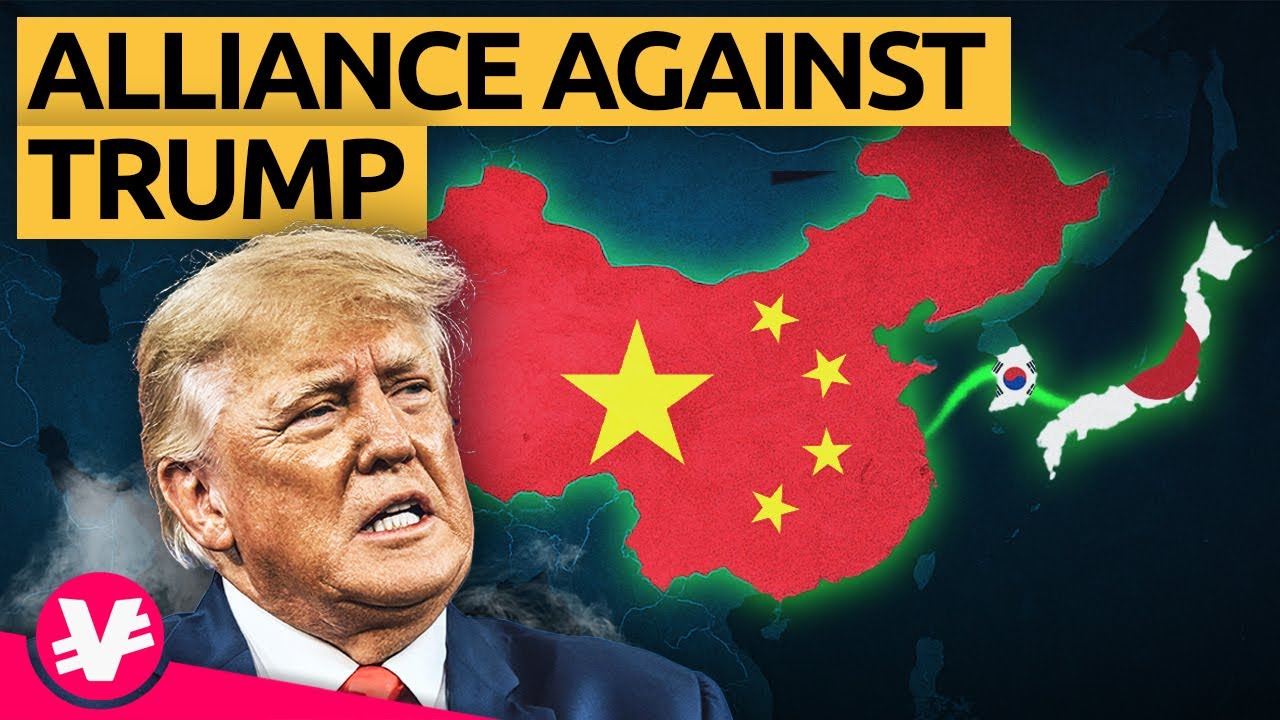
Elsewhere in the region, countries are recalibrating their own strategies in anticipation of cross‑strait tensions.  Japan has acquired Tomahawk cruise missiles from the United States and is modifying its destroyers to carry them, signalling a shift towards a counter‑strike doctrine that can threaten missile launch platforms on the Chinese coast.  The Philippines and Japan have agreed to step up military intelligence sharing and have begun negotiating a boundary in their overlapping exclusive economic zones east of Taiwan.  Manila is seeking Japanese anti‑submarine destroyers and anti‑ship missiles to bolster its navy.  Such cooperation, alongside the United States’ continued security commitments under the Taiwan Relations Act, suggests that any attempt by Beijing to seal off the island would face a more coordinated regional response.

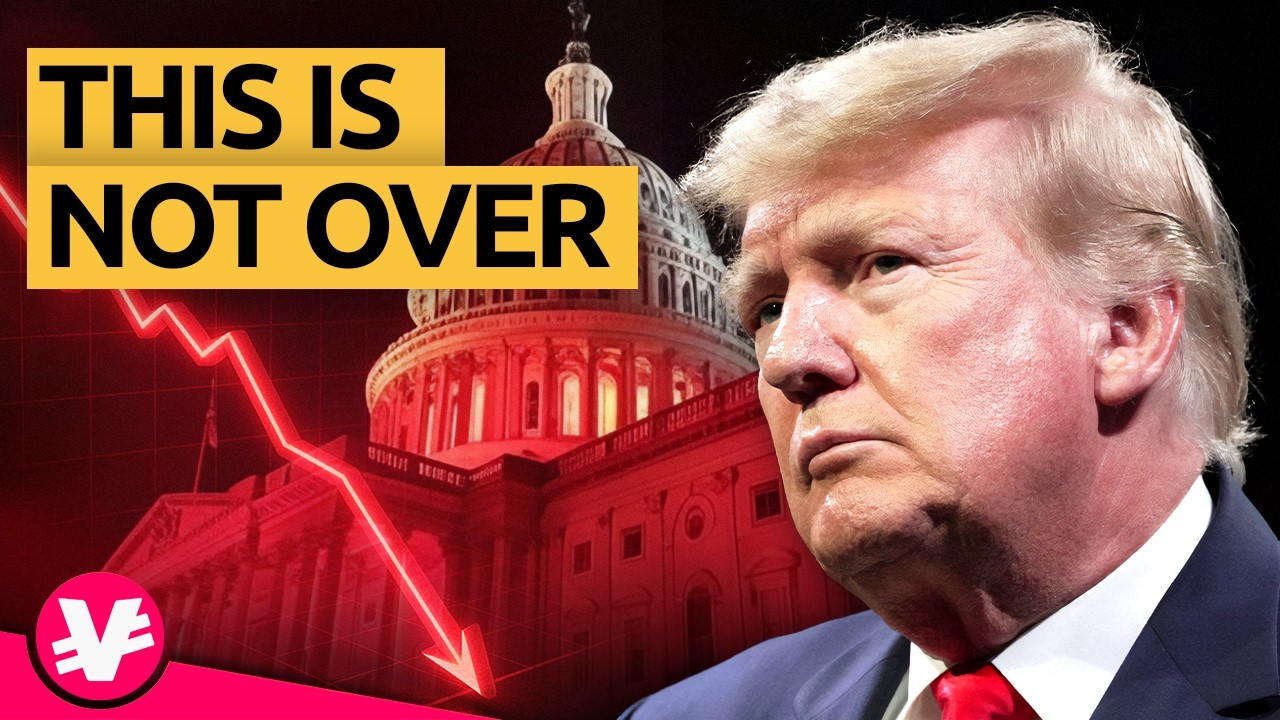
Seen together, these developments reveal why Beijing may perceive hybrid coercion as “something better” than a risky assault.  China’s ability to project force across the Taiwan Strait has improved markedly, but its leaders recognise that a failed invasion would jeopardise economic growth and political legitimacy.  By combining military modernisation with psychological operations, energy leverage, political interference and calibrated maritime pressure, Beijing hopes to corrode Taiwan’s will and convince its citizens that unification is inevitable.  Whether this strategy succeeds will depend on Taiwan’s resilience, the cohesion of its democratic institutions and the willingness of regional partners to deter aggression.  For now, the contest remains a test not of who can fire the first shot, but of whose vision for the island’s future will ultimately prevail.


Featured


Marhabaan, welcome to the UAE and Dubai!

Marhabaan, welcome to the UAE and Dubai! The "skyward striving" Dubai next to ancient desert cities. Mysterious Bedouins and magnificent mosques exist peacefully alongside futuristic cities. Discover wadis and oases, golden sandy deserts, paradisiacal beaches and Arabian hospitality. The modern and the ancient Orient united in a book for dreaming.On this journey to Dubai and Abu Dhabi in the United Arab Emirates, the fairy tales of 1001 Arabian Nights meet the modern Arab world. These cascading cities enchant with their sky-high skyscrapers, fragrant souks, huge shopping centres and the ancient cultural heritage of the sheikhs.You can choose to stay in 4- or 5-star hotels with breakfast and swimming pools. You also have more options to book excursions so you can feel the magic of the East even more. If you want to do something out of the ordinary, you can spend an extra night in an enchanting hotel in the middle of the emirate's desert. Experience your own fairytale from 1001 nights and look forward to a holiday with plenty of casual extravagance in two superlative desert cities!

Trade and business at the Dubai Gold Souk

If Naif Deira is associated with a specific context, organization, or field, providing more details could help me offer more relevant information. Keep in mind that privacy considerations and ethical guidelines limit the amount of information available about private individuals, especially those who are not public figures. The Dubai Gold Souk is one of the most famous gold markets in the world and is located in the heart of Dubai's commercial business district in Deira. It's a traditional market where you can find a wide variety of gold, silver, and precious stone jewelry. The Gold Souk is known for its extensive selection of jewelry, including rings, bracelets, necklaces, and earrings, often crafted with intricate designs.Variety: The Gold Souk offers a vast array of jewelry designs, with a focus on gold. You can find items ranging from traditional to modern styles.Competitive Pricing: The market is known for its competitive pricing, and bargaining is a common practice. Prices are typically based on the weight of the gold and the craftsmanship involved.Gold and More: While gold is the primary focus, the souk also offers other precious metals such as silver and platinum, as well as a selection of gemstones.Cultural Experience: Visiting the Gold Souk provides not only a shopping experience but also a glimpse into the traditional trading culture of Dubai. The vibrant market is a popular destination for both tourists and locals.Security: The market is generally safe, and there are numerous shops with security measures in place. However, as with any crowded area, it's advisable to take standard precautions regarding personal belongings.Gold Souk is just one part of the larger Deira Souk complex, which also includes the Spice Souk and the Textile Souk. It's a must-visit for those interested in jewelry, and it reflects the rich cultural and trading history of Dubai.

Dubai: Amazing City Center, Night Walking Tour

During this excursion, we leisurely explore Dubai Downtown and Burj Khalifa in the evening, giving you the chance to witness the captivating transformation of the district as it comes alive with the vibrant glow of thousands of lights. As the sun sets, the illuminated facade of Burj Khalifa and the enchanting Dubai Fountain collaborate to produce a genuinely magical atmosphere.Dubai Downtown, also known as Downtown Dubai, is a distinguished and iconic district situated in the heart of Dubai, United Arab Emirates. It is a renowned neighborhood celebrated for its striking architecture, luxurious living, and exceptional entertainment options. At the core of Downtown Dubai stands the Burj Khalifa, a towering skyscraper that holds the title of the world's tallest man-made structure and serves as an emblem of modern Dubai.Burj Khalifa: The focal point of Downtown Dubai, Burj Khalifa, is famous for its groundbreaking height, reaching an impressive 828 meters (2,722 feet). Designed by architect Adrian Smith, its distinctive Y-shaped design encompasses a mix of residential, commercial, and hotel spaces.Dubai Mall: Adjacent to Burj Khalifa is the Dubai Mall, one of the largest shopping malls globally, featuring an extensive array of retail outlets, from high-end boutiques to international brands. The mall also provides various dining options, and entertainment attractions like an indoor ice rink and an aquarium, and hosts the mesmerizing Dubai Fountain.Dubai Fountain: Located just outside the Dubai Mall, the Dubai Fountain is a captivating attraction that presents a nightly spectacle of water, music, and light, captivating visitors with its perfectly synchronized performances.Emaar Boulevard: Stretching through Downtown Dubai, this boulevard is adorned with restaurants, cafes, and shops, making it a popular spot for leisurely strolls, dining, and people-watching.Luxury Living: Downtown Dubai boasts numerous upscale residential buildings and hotels, making it an appealing locale for those seeking a sophisticated urban lifestyle.Cultural Attractions: The Dubai Opera, an iconic cultural venue within the district, hosts a diverse range of performances, including opera, ballet, concerts, and theater productions.Transportation: Downtown Dubai is well-connected through public transportation, including the Dubai Metro, facilitating easy access to other parts of the city.In summary, Downtown Dubai is a dynamic and vibrant district that stands as a testament to Dubai's modernity and grandeur. It seamlessly combines architectural wonders with shopping, entertainment, and cultural offerings, creating a truly extraordinary destination.