Dubai Telegraph - Israel riled by US-Iran pact

EUR -
AED 4.281798
AFN 73.452371
ALL 95.429474
AMD 429.264549
ANG 2.087513
AOA 1070.303953
ARS 1646.078848
AUD 1.619093
AWG 2.098636
AZN 1.98192
BAM 1.958704
BBD 2.348412
BDT 143.12793
BGN 1.946974
BHD 0.439868
BIF 3469.744523
BMD 1.165909
BND 1.490109
BOB 8.056947
BRL 5.8728
BSD 1.165994
BTN 110.714164
BWP 15.645198
BYN 3.194937
BYR 22851.812047
BZD 2.345177
CAD 1.609013
CDF 2648.945277
CHF 0.910713
CLF 0.026367
CLP 1037.717451
CNY 7.888946
CNH 7.886633
COP 4305.864344
CRC 527.065696
CUC 1.165909
CUP 30.896583
CVE 110.615561
CZK 24.279118
DJF 207.205118
DKK 7.473965
DOP 68.019584
DZD 154.809692
EGP 61.007145
ERN 17.488632
ETB 184.213607
FJD 2.590413
FKP 0.866376
GBP 0.866686
GEL 3.113128
GGP 0.866376
GHS 13.687309
GIP 0.866376
GMD 84.529175
GNF 10236.679353
GTQ 8.89415
GYD 243.931695
HKD 9.137169
HNL 30.977838
HRK 7.53247
HTG 152.696414
HUF 353.844565
IDR 20780.749989
ILS 3.267051
IMP 0.866376
INR 110.773573
IQD 1527.340499
IRR 1575201.054631
ISK 143.359897
JEP 0.866376
JMD 183.646793
JOD 0.826627
JPY 185.739708
KES 150.880586
KGS 101.958194
KHR 4675.293789
KMF 492.013855
KPW 1049.149133
KRW 1757.561241
KWD 0.360779
KYD 0.971741
KZT 568.172471
LAK 25594.610554
LBP 104407.130725
LKR 384.790557
LRD 213.507078
LSL 18.933957
LTL 3.442625
LVL 0.705246
LYD 7.403373
MAD 10.707414
MDL 20.177919
MGA 4885.158025
MKD 61.616967
MMK 2448.07571
MNT 4168.654063
MOP 9.40951
MRU 46.636434
MUR 55.228958
MVR 17.928569
MWK 2025.183791
MXN 20.234111
MYR 4.629242
MZN 74.507381
NAD 18.934565
NGN 1599.279174
NIO 42.637633
NOK 10.788733
NPR 177.142662
NZD 1.949192
OMR 0.449199
PAB 1.166029
PEN 3.96351
PGK 5.077571
PHP 71.673121
PKR 324.763948
PLN 4.231024
PYG 7015.402248
QAR 4.245082
RON 5.251368
RSD 117.384871
RUB 82.950723
RWF 1705.141588
SAR 4.398162
SBD 9.365116
SCR 15.781717
SDG 700.128108
SEK 10.790538
SGD 1.488639
SHP 0.870469
SLE 28.688527
SLL 24448.526572
SOS 666.32155
SRD 43.337405
STD 24131.957742
STN 24.950448
SVC 10.202954
SYP 128.870343
SZL 18.934236
THB 37.979528
TJS 10.762558
TMT 4.080681
TND 3.374164
TOP 2.807228
TRY 53.459828
TTD 7.920745
TWD 36.640779
TZS 3065.853931
UAH 51.641687
UGX 4395.385411
USD 1.165909
UYU 46.767942
UZS 14017.13865
VES 639.716715
VND 30677.974719
VUV 136.721645
WST 3.165663
XAF 656.93108
XAG 0.015488
XAU 0.000257
XCD 3.150927
XCG 2.101453
XDR 0.815561
XOF 655.820326
XPF 119.331742
YER 278.185797
ZAR 19.000454
ZMK 10494.574673
ZMW 21.43278
ZWL 375.422151
  • CMSC

    -0.1000

    22.74

    -0.44%

  • CMSD

    0.0400

    22.93

    +0.17%

  • RIO

    -0.0800

    106.39

    -0.08%

  • RYCEF

    0.7000

    18

    +3.89%

  • GSK

    -0.7000

    50.54

    -1.39%

  • RBGPF

    -0.0100

    63.54

    -0.02%

  • BTI

    -1.1300

    61.79

    -1.83%

  • BCE

    0.2000

    25.11

    +0.8%

  • AZN

    0.3400

    185.67

    +0.18%

  • JRI

    0.0600

    12.92

    +0.46%

  • VOD

    0.0300

    14.96

    +0.2%

  • NGG

    -1.1562

    81.53

    -1.42%

  • BCC

    -0.6300

    69.72

    -0.9%

  • BP

    0.2800

    41.87

    +0.67%

  • RELX

    -0.3100

    32.79

    -0.95%


Israel riled by US-Iran pact


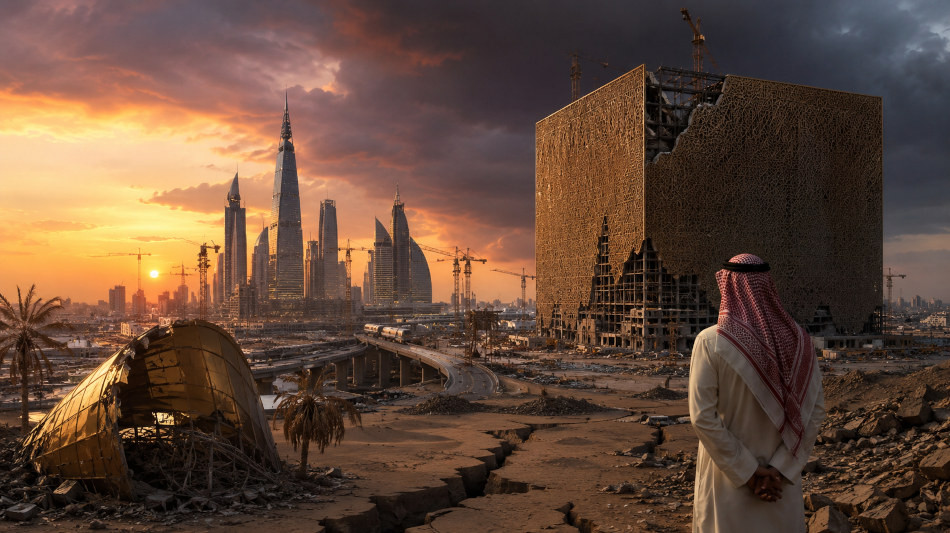
The United States and Israel entered the spring of 2026 locked in an unprecedented conflict with Iran. On 28 February the two allies launched a joint offensive aimed at destroying Iran’s ballistic‑missile programme, curbing its support for militant proxies and forcing an end to its nuclear ambitions. The campaign quickly spread across the region: Iranian forces responded with ballistic‑missile salvos and drone attacks, and the United States imposed a naval blockade on Iranian ports. Iran retaliated by closing the Strait of Hormuz, a narrow waterway through which a fifth of the world’s oil flows. By early April both sides had agreed to a fragile ceasefire, but the war’s economic and human cost, coupled with mounting pressure from Gulf Arab states to restore trade, propelled Washington to seek a negotiated settlement.

President Donald Trump has now circulated a draft agreement that would reopen the Strait of Hormuz to commercial shipping, lift the U.S. blockade and unlock up to $12 billion of Iran’s frozen assets. Under the memorandum of understanding, shipping lanes would return to pre‑war levels within a month, and a 60‑day negotiating period would be devoted to the future of Iran’s nuclear programme. Discussions on highly enriched uranium, centrifuges and International Atomic Energy Agency supervision would begin only after trade resumed. Iran would renounce nuclear weapons, but its stockpiles and missile arsenal would not be dismantled at this stage. The deal also calls for a permanent ceasefire that would extend to Lebanon, where Israeli forces have been engaged in a separate conflict with Hezbollah. As a diplomatic sweetener, Washington has urged Saudi Arabia, Qatar, Pakistan and other regional powers to normalise relations with Israel by joining the Abraham Accords.

In Israel the proposal has provoked a storm of indignation. Senior officials, speaking on condition of anonymity, have branded the emerging accord a “bad deal”. Their chief complaint is that the draft postpones serious constraints on Iran’s nuclear and missile programmes, creating the risk that Tehran will pocket sanctions relief, rebuild its economy and rearm its proxies while negotiations drag on. Israeli strategists note that the memorandum says nothing about Iran’s long‑range missiles or its network of regional militias. They fear that a temporary ceasefire would allow Iran’s allies in Lebanon, Syria and Yemen to regroup and that the release of billions of dollars would enable Tehran to reconstitute military facilities damaged during the war.

Opposition leader Yair Lapid, who is attempting to unseat Prime Minister Benjamin Netanyahu later this year, has condemned the plan as “bad for Israel, bad for the region [and] bad for the citizens of Iran”. Lapid has criticised Mr Netanyahu for failing to influence Washington’s negotiating position and warns that Israel’s ability to shape American policy is at an all‑time low. Other Israeli commentators describe the draft as a strategic failure: the war began with publicly declared goals of toppling Iran’s theocratic government, ending its ballistic‑missile threat and severing its ties to militant groups, yet the proposed agreement delivers none of those outcomes. Analysts at the Institute for National Security Studies argue that the enormous gap between the war’s ambitions and the terms of the emerging deal shows how little the campaign’s architects understood Iran. Some call it a capitulation that leaves Iran in a stronger position than before the war.

Security officials are particularly alarmed by the prospect of constraints on Israeli military operations in Lebanon and Gaza. The draft calls for a permanent ceasefire not just in the Persian Gulf but across the region, including southern Lebanon where Israeli troops have seized strategic positions and where daily exchanges of fire with Hezbollah have continued despite the pause in the broader war. Israeli commanders insist on “freedom of action” to strike Iranian targets and proxies; they fear that a formal ceasefire would tie their hands and allow Hezbollah to entrench itself further along the northern border. The idea of including Hezbollah in the ceasefire, reportedly floated by Tehran, is anathema to the Israel Defense Forces.

The financial dimension of the proposed deal is another source of anger. Iran’s government is demanding access to billions of dollars held abroad to stabilise its economy after months of conflict. For Israel, the thought of unlocking those funds conjures memories of the 2015 nuclear agreement, which lifted sanctions and allowed Iran to re‑enter oil markets. Hawks in both Israel and the United States warn that injecting cash into Iran’s coffers will embolden the Revolutionary Guard Corps and enable renewed investment in missile development and proxy warfare. These critics argue that pressure—not relief—is the only way to force Tehran to dismantle its nuclear infrastructure and curb its regional ambitions. Some even say they would prefer a return to open conflict to the signing of a weak agreement that leaves Iran intact.

Israelis are also wary of the diplomatic gambit tied to the deal. President Trump has declared that it should be “mandatory” for countries such as Saudi Arabia, Qatar and Pakistan to recognise Israel as part of the agreement. Pro‑Israel voices in the United States have welcomed the idea, but regional experts point out that Gulf states are not prepared to normalise relations at a time when Israel is still waging wars in Lebanon and Gaza and when Palestinian casualties have fuelled widespread anger. Saudi Arabia has repeatedly said it will not normalise relations without a Palestinian state based on the 1967 borders. For Israel, therefore, the promise of new diplomatic ties offers little comfort; what matters is security, and the current draft does not guarantee it.

Beyond Israel, the emerging agreement has drawn criticism from Republican hawks in Washington. Senators Lindsey Graham, Ted Cruz and Roger Wicker have all warned that a 60‑day ceasefire that reopens the Strait of Hormuz while leaving Iran’s nuclear and missile capabilities untouched would be a “disaster”, a “nightmare” and a “disastrous mistake”. Former secretary of state Mike Pompeo has derided the proposal as a retreat from the “America First” stance, arguing that Tehran should not receive a penny until its capability to threaten U.S. allies is eliminated. These voices echo the concerns of Israeli officials who fear that the balance of power in the region will shift in Iran’s favour if the United States compromises.

The uproar in Jerusalem is compounded by a feeling of marginalisation. Reports in the Israeli press suggest that Mr Netanyahu has been largely sidelined in negotiations, with Washington seeking input from Gulf allies and Pakistan instead. A senior Israeli security official recently lamented that “Israeli interests were not taken into account throughout the negotiations”, noting that Israel might now face restrictions on its ability to act in Lebanon and Gaza despite fighting alongside the United States in Iran. Such perceived neglect has fuelled domestic criticism of Mr Netanyahu and heightened the sense of betrayal that underpins Israel’s fury at the emerging deal.

As negotiations continue, the gap between Israeli expectations and the draft agreement’s provisions remains wide. Israel entered the conflict hoping to eliminate a strategic rival and reshape the Middle East. It now confronts the prospect of a ceasefire that freezes the status quo, leaves Iran’s regime intact, and imposes constraints on Israel’s military freedom. Unless Washington and Tehran can produce a final agreement that addresses Israel’s security concerns—particularly the dismantling of Iran’s missile and nuclear capabilities and the curtailment of its proxies—the anger emanating from Jerusalem is unlikely to subside. The fate of the war, the security of the Gulf and the future of regional diplomacy all hinge on whether these divergent interests can be reconciled in the weeks ahead.


Featured


Marhabaan, welcome to the UAE and Dubai!

Marhabaan, welcome to the UAE and Dubai! The "skyward striving" Dubai next to ancient desert cities. Mysterious Bedouins and magnificent mosques exist peacefully alongside futuristic cities. Discover wadis and oases, golden sandy deserts, paradisiacal beaches and Arabian hospitality. The modern and the ancient Orient united in a book for dreaming.On this journey to Dubai and Abu Dhabi in the United Arab Emirates, the fairy tales of 1001 Arabian Nights meet the modern Arab world. These cascading cities enchant with their sky-high skyscrapers, fragrant souks, huge shopping centres and the ancient cultural heritage of the sheikhs.You can choose to stay in 4- or 5-star hotels with breakfast and swimming pools. You also have more options to book excursions so you can feel the magic of the East even more. If you want to do something out of the ordinary, you can spend an extra night in an enchanting hotel in the middle of the emirate's desert. Experience your own fairytale from 1001 nights and look forward to a holiday with plenty of casual extravagance in two superlative desert cities!

Trade and business at the Dubai Gold Souk

If Naif Deira is associated with a specific context, organization, or field, providing more details could help me offer more relevant information. Keep in mind that privacy considerations and ethical guidelines limit the amount of information available about private individuals, especially those who are not public figures. The Dubai Gold Souk is one of the most famous gold markets in the world and is located in the heart of Dubai's commercial business district in Deira. It's a traditional market where you can find a wide variety of gold, silver, and precious stone jewelry. The Gold Souk is known for its extensive selection of jewelry, including rings, bracelets, necklaces, and earrings, often crafted with intricate designs.Variety: The Gold Souk offers a vast array of jewelry designs, with a focus on gold. You can find items ranging from traditional to modern styles.Competitive Pricing: The market is known for its competitive pricing, and bargaining is a common practice. Prices are typically based on the weight of the gold and the craftsmanship involved.Gold and More: While gold is the primary focus, the souk also offers other precious metals such as silver and platinum, as well as a selection of gemstones.Cultural Experience: Visiting the Gold Souk provides not only a shopping experience but also a glimpse into the traditional trading culture of Dubai. The vibrant market is a popular destination for both tourists and locals.Security: The market is generally safe, and there are numerous shops with security measures in place. However, as with any crowded area, it's advisable to take standard precautions regarding personal belongings.Gold Souk is just one part of the larger Deira Souk complex, which also includes the Spice Souk and the Textile Souk. It's a must-visit for those interested in jewelry, and it reflects the rich cultural and trading history of Dubai.

Dubai: Amazing City Center, Night Walking Tour

During this excursion, we leisurely explore Dubai Downtown and Burj Khalifa in the evening, giving you the chance to witness the captivating transformation of the district as it comes alive with the vibrant glow of thousands of lights. As the sun sets, the illuminated facade of Burj Khalifa and the enchanting Dubai Fountain collaborate to produce a genuinely magical atmosphere.Dubai Downtown, also known as Downtown Dubai, is a distinguished and iconic district situated in the heart of Dubai, United Arab Emirates. It is a renowned neighborhood celebrated for its striking architecture, luxurious living, and exceptional entertainment options. At the core of Downtown Dubai stands the Burj Khalifa, a towering skyscraper that holds the title of the world's tallest man-made structure and serves as an emblem of modern Dubai.Burj Khalifa: The focal point of Downtown Dubai, Burj Khalifa, is famous for its groundbreaking height, reaching an impressive 828 meters (2,722 feet). Designed by architect Adrian Smith, its distinctive Y-shaped design encompasses a mix of residential, commercial, and hotel spaces.Dubai Mall: Adjacent to Burj Khalifa is the Dubai Mall, one of the largest shopping malls globally, featuring an extensive array of retail outlets, from high-end boutiques to international brands. The mall also provides various dining options, and entertainment attractions like an indoor ice rink and an aquarium, and hosts the mesmerizing Dubai Fountain.Dubai Fountain: Located just outside the Dubai Mall, the Dubai Fountain is a captivating attraction that presents a nightly spectacle of water, music, and light, captivating visitors with its perfectly synchronized performances.Emaar Boulevard: Stretching through Downtown Dubai, this boulevard is adorned with restaurants, cafes, and shops, making it a popular spot for leisurely strolls, dining, and people-watching.Luxury Living: Downtown Dubai boasts numerous upscale residential buildings and hotels, making it an appealing locale for those seeking a sophisticated urban lifestyle.Cultural Attractions: The Dubai Opera, an iconic cultural venue within the district, hosts a diverse range of performances, including opera, ballet, concerts, and theater productions.Transportation: Downtown Dubai is well-connected through public transportation, including the Dubai Metro, facilitating easy access to other parts of the city.In summary, Downtown Dubai is a dynamic and vibrant district that stands as a testament to Dubai's modernity and grandeur. It seamlessly combines architectural wonders with shopping, entertainment, and cultural offerings, creating a truly extraordinary destination.