Dubai Telegraph - Brexit's broken promises

EUR -
AED 4.29422
AFN 77.451461
ALL 96.626871
AMD 446.598829
ANG 2.0935
AOA 1071.601383
ARS 1715.620102
AUD 1.731692
AWG 2.107645
AZN 1.990349
BAM 1.95534
BBD 2.357236
BDT 143.016378
BGN 1.948855
BHD 0.440826
BIF 3462.971086
BMD 1.16929
BND 1.497642
BOB 8.105095
BRL 6.281436
BSD 1.17032
BTN 105.539092
BWP 16.256109
BYN 3.440976
BYR 22918.086215
BZD 2.353837
CAD 1.615135
CDF 2625.056225
CHF 0.929779
CLF 0.026645
CLP 1045.263612
CNY 8.165969
CNH 8.16731
COP 4348.005285
CRC 581.760747
CUC 1.16929
CUP 30.986188
CVE 110.240027
CZK 24.165716
DJF 208.410114
DKK 7.471624
DOP 74.292217
DZD 151.828313
EGP 55.244164
ERN 17.539352
ETB 181.23062
FJD 2.654526
FKP 0.864583
GBP 0.865666
GEL 3.145224
GGP 0.864583
GHS 12.429078
GIP 0.864583
GMD 85.940519
GNF 10234.550208
GTQ 8.970968
GYD 244.852438
HKD 9.106606
HNL 30.850615
HRK 7.534086
HTG 153.203983
HUF 384.534499
IDR 19622.208174
ILS 3.703218
IMP 0.864583
INR 105.167148
IQD 1533.133022
IRR 49256.346114
ISK 147.215366
JEP 0.864583
JMD 185.805525
JOD 0.829072
JPY 182.833748
KES 150.838726
KGS 102.246822
KHR 4697.895578
KMF 493.440451
KPW 1052.364185
KRW 1692.81681
KWD 0.359405
KYD 0.975267
KZT 596.49722
LAK 25296.9448
LBP 104804.413506
LKR 362.873141
LRD 208.322807
LSL 19.182408
LTL 3.452609
LVL 0.707291
LYD 6.333484
MAD 10.744774
MDL 19.767268
MGA 5398.684659
MKD 61.558691
MMK 2455.307298
MNT 4161.309086
MOP 9.387953
MRU 46.473876
MUR 54.360351
MVR 18.077528
MWK 2029.405554
MXN 21.013328
MYR 4.738548
MZN 74.72959
NAD 19.182408
NGN 1674.423867
NIO 43.069691
NOK 11.7544
NPR 168.860581
NZD 2.023006
OMR 0.44959
PAB 1.170325
PEN 3.936075
PGK 5.066787
PHP 69.312597
PKR 327.667268
PLN 4.210321
PYG 7903.108274
QAR 4.266533
RON 5.089451
RSD 117.301516
RUB 94.127477
RWF 1705.784401
SAR 4.385157
SBD 9.506581
SCR 16.129139
SDG 702.743256
SEK 10.75975
SGD 1.497779
SHP 0.87727
SLE 28.063064
SLL 24519.43331
SOS 667.64019
SRD 44.786343
STD 24201.944552
STN 24.494137
SVC 10.240549
SYP 12928.72368
SZL 19.17741
THB 36.52219
TJS 10.81415
TMT 4.092515
TND 3.405529
TOP 2.81537
TRY 50.340149
TTD 7.944098
TWD 36.803401
TZS 2888.147701
UAH 49.840857
UGX 4239.003458
USD 1.16929
UYU 45.529686
UZS 13988.651608
VES 359.871722
VND 30733.036686
VUV 141.71306
WST 3.241735
XAF 655.797221
XAG 0.014749
XAU 0.000262
XCD 3.160065
XCG 2.109295
XDR 0.815601
XOF 655.800025
XPF 119.331742
YER 278.764696
ZAR 19.146804
ZMK 10525.01464
ZMW 24.489138
ZWL 376.510939
  • SCS

    0.0200

    16.14

    +0.12%

  • RBGPF

    2.2900

    82.5

    +2.78%

  • CMSC

    0.0000

    22.99

    0%

  • NGG

    1.3300

    79.59

    +1.67%

  • CMSD

    -0.1400

    23.51

    -0.6%

  • RYCEF

    0.2300

    16.87

    +1.36%

  • RIO

    2.0200

    85.23

    +2.37%

  • BCE

    -0.4400

    23.28

    -1.89%

  • RELX

    -0.4300

    41.68

    -1.03%

  • VOD

    -0.0400

    13.53

    -0.3%

  • BCC

    1.3400

    76.94

    +1.74%

  • GSK

    1.5400

    50.56

    +3.05%

  • BTI

    -1.4400

    54.06

    -2.66%

  • AZN

    3.7400

    94.96

    +3.94%

  • JRI

    0.0500

    13.69

    +0.37%

  • BP

    -1.7600

    34.36

    -5.12%


Brexit's broken promises


When Britain voted to leave the European Union in June 2016, its advocates framed the decision as a liberation. “Take back control,” the slogan promised, conjuring images of a sovereign nation freed from Brussels’ shackles, setting its own rules, striking its own trade deals and funnelling the cost of EU membership into public services at home. Nearly a decade on, the gulf between promise and reality is stark. Far from ushering in a new era of prosperity, Brexit has acted as a slow‑burn drag on growth, decimated trade, hollowed out industries and left the nation diminished on the global stage.

A Smaller, Poorer Economy
The most striking measure of Brexit’s damage is the economy itself. By the start of 2025, Britain’s gross domestic product per capita was estimated to be about six to eight percent lower than it would have been had the country remained in the EU. Investment, once buoyed by London’s status as a gateway to Europe, is twelve to eighteen percent lower than it otherwise would be. Employment and productivity are both three to four percent below the counterfactual trajectory. These losses did not arrive overnight. Rather, uncertainty after the referendum delayed business decisions, diverted management time and encouraged firms to hold cash rather than expand. The protracted negotiations and repeated renegotiations – from the withdrawal agreement to the Trade and Cooperation Agreement and the Windsor Framework – sustained that uncertainty for years, causing what economists describe as a “slow‑burn hit” that accumulated over a decade.

Before the referendum, Britain grew at roughly the same pace as comparable economies. After 2016 the lines diverged. By early 2025, UK GDP per head had grown six to ten percentage points less than similar advanced economies, placing the country near the bottom of the league tables. Those patterns carry through to investment, employment and productivity. Much of the slump reflects higher trade barriers that reduced external demand, discouraged foreign direct investment and increased administrative burdens on companies that once seamlessly supplied both sides of the Channel.

Trade: From Gateway to Bottleneck
Brexit champions argued that leaving the single market would allow Britain to strike its own global trade deals. In reality, most “new” deals have simply rolled over agreements the UK already enjoyed as an EU member. The government’s own analysis shows that the flagship agreements with Japan and Australia are expected to add around 0.1 percentage points to GDP over fifteen years – rounding errors compared with the estimated four‑percent productivity hit inflicted by the Trade and Cooperation Agreement (TCA) with the EU. At the same time, British exporters have faced a thicket of paperwork, border checks and rules of origin requirements that add two to eight percent to the cost of shipping goods to the EU. Goods exports collapsed in early 2021 when the transition period ended and, despite partial recovery, remain below 2019 levels in real terms. Services exports have fared a little better but have still lost market share in key sectors such as financial services, where London’s dominance is slipping as companies move staff and trading activity to Paris, Frankfurt and Amsterdam.

The impact is not confined to exports. Imports from the EU are lower as well, meaning higher prices and less choice for consumers and businesses. Trade flows between Great Britain and Northern Ireland have been particularly strained. The Windsor Framework’s dual “green lane” and “red lane” system was meant to ease frictions, yet trade data show a persistent decline. Between 2020 and 2024‑25 the share of GB businesses selling to Northern Ireland fell from 5.7 percent to 3.9 percent; in manufacturing it dropped from 20.1 percent to 12.9 percent. In the year to April 2025, more than 15 percent of businesses reported lower sales to Northern Ireland and more than eight percent stopped trading altogether. Smaller firms have been hit hardest, deterred by complex customs forms, “Not‑For‑EU” labelling and the need to register as trusted traders. Agrifood exports have fallen by more than one fifth, while imports are down seven percent, hurting both farmers and consumers.

Labour: A Self‑Inflicted Shortage
“Freedom of movement” was among the key battlegrounds of the Brexit campaign. Leave proponents promised that ending it would reduce pressure on public services and open job opportunities for British workers. Instead, sectors that relied on EU labour are struggling to find staff. The post‑Brexit immigration system introduced a Skilled Worker visa, but it excludes many lower‑skilled occupations. Hospitality, hotels, warehousing, meat processing and construction – all industries that depended on EU workers – report acute shortages. The haulage industry faces a deficit of thousands of HGV drivers despite emergency visa schemes, because EU drivers prefer permanent employment in member states. A 2022 survey by the National Farmers’ Union found that at least £60 million worth of crops had been left to rot due to a lack of pickers, with nearly 40 percent of farmers reporting crop losses and farms operating with workforce gaps of around fourteen percent. Three years later, labour shortages remain a recurring complaint across the food supply chain, care homes and logistics firms.

The consequences of these shortages go beyond unharvested crops. Employers must pay higher wages and offer incentives to attract scarce staff, driving up costs. Many businesses cannot fill orders or expand because they lack workers. The promise that British workers would seamlessly replace EU migrants has not materialised, and training programmes take time to deliver results. Even sectors that qualify for visas, such as butchery and meat processing, struggle with bureaucratic barriers that prevent skilled workers from entering. Industry leaders warn that viable factories are at risk of closure simply because they cannot hire.

Public Finances and Services
One of the referendum’s most potent claims was that leaving the EU would release funds for the National Health Service. Instead, Brexit has strained the NHS. Hospitals relied heavily on EU doctors, nurses and carers; many have returned to the continent or chosen not to move to the UK under the new visa system. Shortages in social care mean hospitals cannot discharge patients because there is no one to look after them in the community, exacerbating waiting lists. Meanwhile, the cost of imported medicines and medical equipment has increased due to the weaker pound and new trade barriers. Far from a windfall, the Office for Budget Responsibility estimates that the long‑term impact of the TCA will reduce productivity by around four percent, lowering tax revenues and leaving less money to fund public services.

Political and Global Standing
Brexit was supposed to restore Britain’s sovereignty and global clout. Instead, it has sown division at home and diminished the UK’s influence abroad. The need to renegotiate access to the EU’s single market has consumed successive governments, leaving little energy for domestic reform. Scotland and Northern Ireland have strengthened ties with Europe and revived debates over independence and unification, respectively. On the world stage, London’s ability to shape EU policies from inside the club has vanished; it now must lobby from the outside. Businesses once viewed the UK as a bridge into Europe. Today many multinationals choose Dublin or Amsterdam instead.

Even officials who maintained neutrality now concede the scale of the damage. In October 2025 the governor of the Bank of England, Andrew Bailey, said that Brexit will weigh negatively on UK economic growth “for the foreseeable future.” He linked a decline in the UK’s potential growth rate from around 2.5 percent to 1.5 percent to lower productivity, an ageing population and post‑Brexit trade restrictions. Though he expressed hope that technological innovation could eventually offset the drag, his comments underscore how far the country has fallen from the confident predictions of 2016.

Conclusion and Future
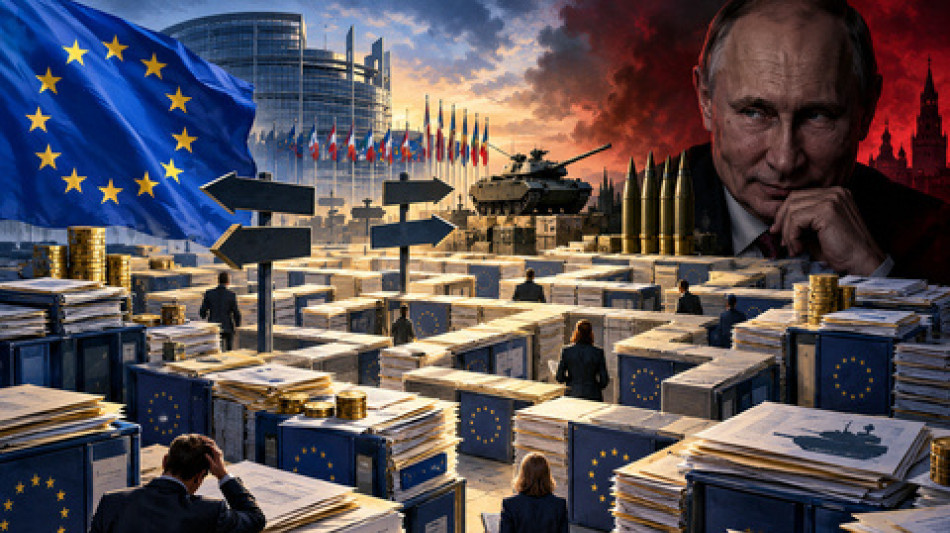
A decade on, Brexit’s legacy is one of contradiction. Promises of economic renewal have given way to slower growth, weaker investment and stagnant living standards. The pledge to control borders has produced labour shortages that leave crops unpicked, factories understaffed and care homes desperate. The dream of unencumbered trade has led to higher costs, administrative headaches and a steady erosion of the UK’s position as a trading nation. Even the vaunted recovery of sovereignty has proved hollow as ministers spend their days negotiating with Brussels to mitigate the damage of their own decision. Far from delivering what was intended, Brexit has made Britain poorer, more divided and less influential – the opposite of what its architects promised.


Featured


Marhabaan, welcome to the UAE and Dubai!

Marhabaan, welcome to the UAE and Dubai! The "skyward striving" Dubai next to ancient desert cities. Mysterious Bedouins and magnificent mosques exist peacefully alongside futuristic cities. Discover wadis and oases, golden sandy deserts, paradisiacal beaches and Arabian hospitality. The modern and the ancient Orient united in a book for dreaming.On this journey to Dubai and Abu Dhabi in the United Arab Emirates, the fairy tales of 1001 Arabian Nights meet the modern Arab world. These cascading cities enchant with their sky-high skyscrapers, fragrant souks, huge shopping centres and the ancient cultural heritage of the sheikhs.You can choose to stay in 4- or 5-star hotels with breakfast and swimming pools. You also have more options to book excursions so you can feel the magic of the East even more. If you want to do something out of the ordinary, you can spend an extra night in an enchanting hotel in the middle of the emirate's desert. Experience your own fairytale from 1001 nights and look forward to a holiday with plenty of casual extravagance in two superlative desert cities!

Trade and business at the Dubai Gold Souk

If Naif Deira is associated with a specific context, organization, or field, providing more details could help me offer more relevant information. Keep in mind that privacy considerations and ethical guidelines limit the amount of information available about private individuals, especially those who are not public figures. The Dubai Gold Souk is one of the most famous gold markets in the world and is located in the heart of Dubai's commercial business district in Deira. It's a traditional market where you can find a wide variety of gold, silver, and precious stone jewelry. The Gold Souk is known for its extensive selection of jewelry, including rings, bracelets, necklaces, and earrings, often crafted with intricate designs.Variety: The Gold Souk offers a vast array of jewelry designs, with a focus on gold. You can find items ranging from traditional to modern styles.Competitive Pricing: The market is known for its competitive pricing, and bargaining is a common practice. Prices are typically based on the weight of the gold and the craftsmanship involved.Gold and More: While gold is the primary focus, the souk also offers other precious metals such as silver and platinum, as well as a selection of gemstones.Cultural Experience: Visiting the Gold Souk provides not only a shopping experience but also a glimpse into the traditional trading culture of Dubai. The vibrant market is a popular destination for both tourists and locals.Security: The market is generally safe, and there are numerous shops with security measures in place. However, as with any crowded area, it's advisable to take standard precautions regarding personal belongings.Gold Souk is just one part of the larger Deira Souk complex, which also includes the Spice Souk and the Textile Souk. It's a must-visit for those interested in jewelry, and it reflects the rich cultural and trading history of Dubai.

Dubai: Amazing City Center, Night Walking Tour

During this excursion, we leisurely explore Dubai Downtown and Burj Khalifa in the evening, giving you the chance to witness the captivating transformation of the district as it comes alive with the vibrant glow of thousands of lights. As the sun sets, the illuminated facade of Burj Khalifa and the enchanting Dubai Fountain collaborate to produce a genuinely magical atmosphere.Dubai Downtown, also known as Downtown Dubai, is a distinguished and iconic district situated in the heart of Dubai, United Arab Emirates. It is a renowned neighborhood celebrated for its striking architecture, luxurious living, and exceptional entertainment options. At the core of Downtown Dubai stands the Burj Khalifa, a towering skyscraper that holds the title of the world's tallest man-made structure and serves as an emblem of modern Dubai.Burj Khalifa: The focal point of Downtown Dubai, Burj Khalifa, is famous for its groundbreaking height, reaching an impressive 828 meters (2,722 feet). Designed by architect Adrian Smith, its distinctive Y-shaped design encompasses a mix of residential, commercial, and hotel spaces.Dubai Mall: Adjacent to Burj Khalifa is the Dubai Mall, one of the largest shopping malls globally, featuring an extensive array of retail outlets, from high-end boutiques to international brands. The mall also provides various dining options, and entertainment attractions like an indoor ice rink and an aquarium, and hosts the mesmerizing Dubai Fountain.Dubai Fountain: Located just outside the Dubai Mall, the Dubai Fountain is a captivating attraction that presents a nightly spectacle of water, music, and light, captivating visitors with its perfectly synchronized performances.Emaar Boulevard: Stretching through Downtown Dubai, this boulevard is adorned with restaurants, cafes, and shops, making it a popular spot for leisurely strolls, dining, and people-watching.Luxury Living: Downtown Dubai boasts numerous upscale residential buildings and hotels, making it an appealing locale for those seeking a sophisticated urban lifestyle.Cultural Attractions: The Dubai Opera, an iconic cultural venue within the district, hosts a diverse range of performances, including opera, ballet, concerts, and theater productions.Transportation: Downtown Dubai is well-connected through public transportation, including the Dubai Metro, facilitating easy access to other parts of the city.In summary, Downtown Dubai is a dynamic and vibrant district that stands as a testament to Dubai's modernity and grandeur. It seamlessly combines architectural wonders with shopping, entertainment, and cultural offerings, creating a truly extraordinary destination.