Dubai Telegraph - AI bust: Layoffs & Rent surge

EUR -
AED 4.273443
AFN 75.625431
ALL 96.4801
AMD 443.523657
ANG 2.083065
AOA 1066.894695
ARS 1701.912184
AUD 1.737028
AWG 2.071834
AZN 1.982504
BAM 1.954291
BBD 2.34379
BDT 142.199583
BGN 1.939135
BHD 0.44028
BIF 3447.336657
BMD 1.163462
BND 1.496931
BOB 8.058742
BRL 6.249888
BSD 1.163801
BTN 104.808068
BWP 15.613876
BYN 3.407469
BYR 22803.846938
BZD 2.340383
CAD 1.619248
CDF 2629.423588
CHF 0.931845
CLF 0.026547
CLP 1041.449823
CNY 8.117879
CNH 8.116355
COP 4319.932841
CRC 578.650681
CUC 1.163462
CUP 30.831732
CVE 110.766073
CZK 24.284473
DJF 206.770849
DKK 7.471029
DOP 73.589402
DZD 151.944393
EGP 55.14207
ERN 17.451924
ETB 180.744212
FJD 2.646996
FKP 0.866012
GBP 0.867802
GEL 3.135576
GGP 0.866012
GHS 12.478172
GIP 0.866012
GMD 86.09657
GNF 10169.818071
GTQ 8.923033
GYD 243.430977
HKD 9.069474
HNL 30.791057
HRK 7.533069
HTG 152.410999
HUF 385.606522
IDR 19595.776155
ILS 3.662623
IMP 0.866012
INR 105.023757
IQD 1524.134668
IRR 49010.819177
ISK 147.155069
JEP 0.866012
JMD 184.287694
JOD 0.82494
JPY 183.692014
KES 150.086952
KGS 101.737157
KHR 4688.750569
KMF 493.308117
KPW 1047.142312
KRW 1695.547908
KWD 0.357753
KYD 0.969747
KZT 594.470951
LAK 25130.770501
LBP 104173.873684
LKR 359.762193
LRD 209.598047
LSL 19.209194
LTL 3.4354
LVL 0.703767
LYD 6.318039
MAD 10.741664
MDL 19.724684
MGA 5331.567053
MKD 61.540852
MMK 2443.28323
MNT 4141.81393
MOP 9.344344
MRU 44.514481
MUR 53.996692
MVR 17.987556
MWK 2020.933163
MXN 20.916833
MYR 4.762635
MZN 74.349534
NAD 19.201452
NGN 1663.098957
NIO 42.786345
NOK 11.747011
NPR 167.692508
NZD 2.029412
OMR 0.449072
PAB 1.163696
PEN 3.912766
PGK 4.96071
PHP 68.988663
PKR 325.769639
PLN 4.212022
PYG 7701.05327
QAR 4.236455
RON 5.088869
RSD 117.457308
RUB 92.244961
RWF 1692.836597
SAR 4.363372
SBD 9.459194
SCR 16.186944
SDG 699.826416
SEK 10.711646
SGD 1.497419
SHP 0.872898
SLE 28.068555
SLL 24397.211834
SOS 664.922553
SRD 44.433805
STD 24081.305655
STN 24.956251
SVC 10.182094
SYP 12867.390465
SZL 19.226247
THB 36.60293
TJS 10.833987
TMT 4.072116
TND 3.371134
TOP 2.801337
TRY 49.972192
TTD 7.898867
TWD 36.775047
TZS 2905.749514
UAH 50.193325
UGX 4189.764676
USD 1.163462
UYU 45.304821
UZS 14106.972028
VES 378.104839
VND 30564.135667
VUV 140.633034
WST 3.229122
XAF 655.448048
XAG 0.01455
XAU 0.000258
XCD 3.144314
XCG 2.097271
XDR 0.814765
XOF 654.451318
XPF 119.331742
YER 277.427836
ZAR 19.18319
ZMK 10472.554531
ZMW 22.546493
ZWL 374.634154
  • SCS

    0.0200

    16.14

    +0.12%

  • RIO

    -3.0600

    81.13

    -3.77%

  • JRI

    0.0600

    13.8

    +0.43%

  • NGG

    0.6400

    80.12

    +0.8%

  • BCE

    -0.0100

    23.74

    -0.04%

  • CMSD

    0.1900

    23.69

    +0.8%

  • RBGPF

    0.0000

    81.57

    0%

  • BTI

    1.4000

    55.19

    +2.54%

  • GSK

    0.1700

    50.39

    +0.34%

  • BCC

    5.0200

    83.05

    +6.04%

  • BP

    0.1600

    34.29

    +0.47%

  • CMSC

    0.2600

    23.27

    +1.12%

  • RYCEF

    0.2500

    17.4

    +1.44%

  • AZN

    0.6400

    94.65

    +0.68%

  • VOD

    -0.3200

    13.5

    -2.37%

  • RELX

    0.7900

    43.14

    +1.83%


AI bust: Layoffs & Rent surge


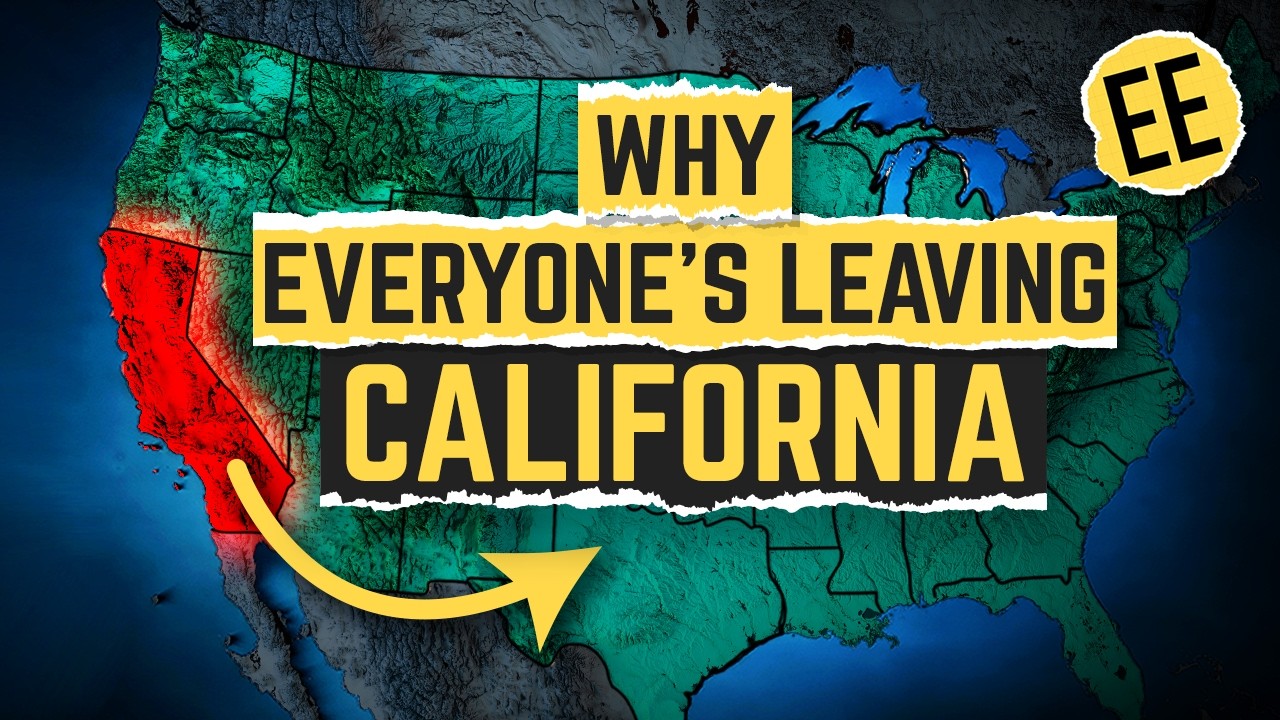
The promise of artificial intelligence lit a fuse under California’s economy. Silicon Valley investors showered startups with capital, corporations rushed to build data centers and new AI tools were heralded as the next gold rush. But behind the glossy marketing lies a darker reality: tens of thousands of workers have been laid off and an influx of high‑paid employees has pushed rents to record levels.

A wave of cuts across industries
California’s job market has been hammered in 2025. Employers in the state announced more than 173,000 job cuts in the first eleven months of the year, a rise of almost 14 % compared with the same period last year. By October, about 158,700 job losses had been announced – the highest tally of any state except the District of Columbia. While some cuts stem from weak consumer demand and film industry slowdowns, the adoption of AI has become a major driver. Industry trackers say that automation and new AI projects have been cited in over 48,000 job losses nationwide this year, with more than 31,000 of those cuts occurring in October alone. Since 2023, the introduction of AI tools has been mentioned in roughly 71,000 layoffs.

The technology sector has borne the brunt. Companies once seen as secure employers – from chip makers to software giants – have trimmed headcounts amid restructuring and cost‑cutting. Through November, tech firms announced more than 75,000 job cuts in California. Workers at Amazon, Intel, Salesforce, Meta, Paramount, Warner Bros. and Walt Disney have all been affected, and even Apple has joined the list of firms that rarely cut staff. Elsewhere, production studios have slashed positions after pandemic‑era strikes and slower streaming growth. Government austerity measures have compounded the pain, contributing to the highest U.S. layoff total since the first year of the pandemic.

Economists note that the layoffs are not limited to one sector. Warehousing, retail and services firms are also cutting staff as automation and AI make some roles redundant. Nationwide, employers announced more than 1.17 million layoffs this year, a five‑year high. The surge has pushed California’s unemployment rate to around 5.5 %, the highest of any state except Washington, D.C. Job seekers are finding it harder to secure new roles; labour market experts say it now takes longer to land a position than it did two or three years ago, a sign of softening demand.

An investment boom fuels speculation
Paradoxically, these job cuts coincide with feverish investment in artificial intelligence. Venture capital firms poured billions of dollars into AI companies in 2025, and California captured nearly 70 % of U.S. venture spending in the first half of the year. Private investment in AI topped $109 billion, while big tech firms collectively committed more than $400 billion to build data centres and purchase advanced chips. Amazon alone said it would invest up to $50 billion to expand supercomputing services. Such outsized spending has prompted warnings from economists and real‑estate forecasters: they argue that an AI‑fuelled stock market bubble is forming, reminiscent of the late‑1990s dot‑com boom, and that investor confidence could sour if expected returns fail to materialise.

Analysts at Challenger, Gray & Christmas highlight artificial intelligence as the second‑most common reason for layoffs after general cost‑cutting. In October, AI accounted for 31,039 announced job reductions, while cost‑cutting was responsible for 50,437. The firm’s data show that employers cited AI in nearly 48,400 job cuts during the first ten months of 2025. Hiring plans are also shrinking; companies have announced fewer than half a million new positions this year, the lowest level since 2011. Observers say the combination of aggressive hiring during the pandemic and rising interest rates has made employers more cautious, preferring to streamline operations and invest in automation rather than expand payrolls.

Housing costs soar amid an influx of AI talent
While thousands are losing jobs, a new wave of highly paid engineers and entrepreneurs is arriving to build the AI future. This influx has intensified California’s long‑running housing crisis and sent rents skyrocketing. The Bay Area is ground zero. In San Francisco, demand from AI start‑ups has made securing an apartment feel like a full‑time job. Prospective tenants submit résumés, offer several months’ rent in advance and often bid well above asking prices. Relocation consultants say strategic offers can run $2,000 over the advertised rent.

Specific examples illustrate the frenzy. A two‑bedroom apartment on Hayes Street recently leased for $4,500 a month, about 25 % higher than a year earlier. Across the city, the average rent for a two‑bedroom unit has climbed to roughly $4,600, a 14 % annual increase; rents on three‑bedroom homes are up 15 %, and four‑bedroom homes are up 17 %. One high‑end leasing agent reported listing a two‑bedroom unit in Pacific Heights for $12,000 a month, only to see it rent within 24 hours for $14,500. In North Beach, average two‑bedroom rents have reached $5,475 – a 79 % jump from last year – while the typical three‑bedroom in Russian Hill now costs around $12,500, also up 79 %. In the Mission District, rents on four‑bedroom homes have more than doubled from a year ago. Even mid‑market properties are seeing steep increases; one agent said a unit that cost $6,500 last year now goes for $9,800, a 50 % hike.

The situation is similar in other tech hubs. In San Jose, median rent across all unit types hovers near $2,900 per month, more than double the national median. One‑bedroom apartments average about $2,934, and two‑bedrooms about $3,506. Luxury units in downtown towers easily exceed $5,000. Vacancy rates around 4 % to 5 % indicate little slack in the market, and roughly 44 % of households rent rather than own. Los Angeles and Orange counties aren’t far behind: average rents were around $2,336 and $2,776 in late 2025 and are projected to rise over the next two years unless construction accelerates. Limited housing supply, high interest rates and strong job growth in aerospace and defense mean rents are likely to keep climbing.

For individuals caught in this squeeze, even modest accommodations can be unaffordable. One AI founder recently told of paying $2,300 a month for a tiny room in an Airbnb near the Mission district, sharing a bathroom with a dozen strangers. Young engineers describe spending weeks touring dozens of properties only to be outbid by wealthier newcomers. Some landlords demand tenant résumés, personal references and perfect credit scores before entertaining an application.

Looking ahead
California’s simultaneous surge of layoffs and soaring rents underscores the volatility of the current economic moment. On the one hand, artificial intelligence is driving innovation and attracting billions of dollars in investment. On the other, companies are trimming jobs, automating tasks and relying on smaller workforces. The mismatch between labour demand and housing supply has created a perfect storm: a softening job market for many workers and a brutal housing hunt for those still cashing in on the boom.

Economists caution that without significant increases in housing construction and more transparent investment practices, the state could repeat the cycles of past tech bubbles. Rising interest rates and high levels of debt could make financing new projects more expensive, while a sudden reversal in AI valuations could leave investors and employees alike exposed. For now, Californians are left navigating an economy where prosperity and precarity coexist, with mass layoffs and sky‑high rents serving as the starkest signs that the AI bubble’s promise comes with significant risks.



Featured


Marhabaan, welcome to the UAE and Dubai!

Marhabaan, welcome to the UAE and Dubai! The "skyward striving" Dubai next to ancient desert cities. Mysterious Bedouins and magnificent mosques exist peacefully alongside futuristic cities. Discover wadis and oases, golden sandy deserts, paradisiacal beaches and Arabian hospitality. The modern and the ancient Orient united in a book for dreaming.On this journey to Dubai and Abu Dhabi in the United Arab Emirates, the fairy tales of 1001 Arabian Nights meet the modern Arab world. These cascading cities enchant with their sky-high skyscrapers, fragrant souks, huge shopping centres and the ancient cultural heritage of the sheikhs.You can choose to stay in 4- or 5-star hotels with breakfast and swimming pools. You also have more options to book excursions so you can feel the magic of the East even more. If you want to do something out of the ordinary, you can spend an extra night in an enchanting hotel in the middle of the emirate's desert. Experience your own fairytale from 1001 nights and look forward to a holiday with plenty of casual extravagance in two superlative desert cities!

Trade and business at the Dubai Gold Souk

If Naif Deira is associated with a specific context, organization, or field, providing more details could help me offer more relevant information. Keep in mind that privacy considerations and ethical guidelines limit the amount of information available about private individuals, especially those who are not public figures. The Dubai Gold Souk is one of the most famous gold markets in the world and is located in the heart of Dubai's commercial business district in Deira. It's a traditional market where you can find a wide variety of gold, silver, and precious stone jewelry. The Gold Souk is known for its extensive selection of jewelry, including rings, bracelets, necklaces, and earrings, often crafted with intricate designs.Variety: The Gold Souk offers a vast array of jewelry designs, with a focus on gold. You can find items ranging from traditional to modern styles.Competitive Pricing: The market is known for its competitive pricing, and bargaining is a common practice. Prices are typically based on the weight of the gold and the craftsmanship involved.Gold and More: While gold is the primary focus, the souk also offers other precious metals such as silver and platinum, as well as a selection of gemstones.Cultural Experience: Visiting the Gold Souk provides not only a shopping experience but also a glimpse into the traditional trading culture of Dubai. The vibrant market is a popular destination for both tourists and locals.Security: The market is generally safe, and there are numerous shops with security measures in place. However, as with any crowded area, it's advisable to take standard precautions regarding personal belongings.Gold Souk is just one part of the larger Deira Souk complex, which also includes the Spice Souk and the Textile Souk. It's a must-visit for those interested in jewelry, and it reflects the rich cultural and trading history of Dubai.

Dubai: Amazing City Center, Night Walking Tour

During this excursion, we leisurely explore Dubai Downtown and Burj Khalifa in the evening, giving you the chance to witness the captivating transformation of the district as it comes alive with the vibrant glow of thousands of lights. As the sun sets, the illuminated facade of Burj Khalifa and the enchanting Dubai Fountain collaborate to produce a genuinely magical atmosphere.Dubai Downtown, also known as Downtown Dubai, is a distinguished and iconic district situated in the heart of Dubai, United Arab Emirates. It is a renowned neighborhood celebrated for its striking architecture, luxurious living, and exceptional entertainment options. At the core of Downtown Dubai stands the Burj Khalifa, a towering skyscraper that holds the title of the world's tallest man-made structure and serves as an emblem of modern Dubai.Burj Khalifa: The focal point of Downtown Dubai, Burj Khalifa, is famous for its groundbreaking height, reaching an impressive 828 meters (2,722 feet). Designed by architect Adrian Smith, its distinctive Y-shaped design encompasses a mix of residential, commercial, and hotel spaces.Dubai Mall: Adjacent to Burj Khalifa is the Dubai Mall, one of the largest shopping malls globally, featuring an extensive array of retail outlets, from high-end boutiques to international brands. The mall also provides various dining options, and entertainment attractions like an indoor ice rink and an aquarium, and hosts the mesmerizing Dubai Fountain.Dubai Fountain: Located just outside the Dubai Mall, the Dubai Fountain is a captivating attraction that presents a nightly spectacle of water, music, and light, captivating visitors with its perfectly synchronized performances.Emaar Boulevard: Stretching through Downtown Dubai, this boulevard is adorned with restaurants, cafes, and shops, making it a popular spot for leisurely strolls, dining, and people-watching.Luxury Living: Downtown Dubai boasts numerous upscale residential buildings and hotels, making it an appealing locale for those seeking a sophisticated urban lifestyle.Cultural Attractions: The Dubai Opera, an iconic cultural venue within the district, hosts a diverse range of performances, including opera, ballet, concerts, and theater productions.Transportation: Downtown Dubai is well-connected through public transportation, including the Dubai Metro, facilitating easy access to other parts of the city.In summary, Downtown Dubai is a dynamic and vibrant district that stands as a testament to Dubai's modernity and grandeur. It seamlessly combines architectural wonders with shopping, entertainment, and cultural offerings, creating a truly extraordinary destination.