Dubai Telegraph - Poland trusts only hard Power

EUR -
AED 4.281785
AFN 73.452334
ALL 95.429651
AMD 429.262728
ANG 2.087503
AOA 1070.299611
ARS 1646.071042
AUD 1.619085
AWG 2.098626
AZN 1.986664
BAM 1.958695
BBD 2.348401
BDT 143.127251
BGN 1.946965
BHD 0.439866
BIF 3469.728069
BMD 1.165903
BND 1.490102
BOB 8.056908
BRL 5.872776
BSD 1.165988
BTN 110.713639
BWP 15.645124
BYN 3.194922
BYR 22851.703681
BZD 2.345166
CAD 1.609005
CDF 2648.932604
CHF 0.910709
CLF 0.026367
CLP 1037.712648
CNY 7.88891
CNH 7.886595
COP 4305.843925
CRC 527.063197
CUC 1.165903
CUP 30.896436
CVE 110.615118
CZK 24.279007
DJF 207.204784
DKK 7.47393
DOP 68.019254
DZD 154.808958
EGP 61.006856
ERN 17.488549
ETB 184.21313
FJD 2.590409
FKP 0.865202
GBP 0.866681
GEL 3.113417
GGP 0.865202
GHS 13.688159
GIP 0.865202
GMD 84.532475
GNF 10236.630941
GTQ 8.894108
GYD 243.930539
HKD 9.137126
HNL 30.978502
HRK 7.532439
HTG 152.69569
HUF 353.842897
IDR 20780.651445
ILS 3.267036
IMP 0.865202
INR 110.773055
IQD 1527.333256
IRR 1575193.585016
ISK 143.359913
JEP 0.865202
JMD 183.645923
JOD 0.826672
JPY 185.738927
KES 150.879988
KGS 101.958687
KHR 4675.272437
KMF 492.011579
KPW 1049.144158
KRW 1757.552959
KWD 0.360778
KYD 0.971736
KZT 568.169776
LAK 25594.495481
LBP 104406.636357
LKR 384.788732
LRD 213.506078
LSL 18.934713
LTL 3.44261
LVL 0.705244
LYD 7.403929
MAD 10.707364
MDL 20.177824
MGA 4885.135018
MKD 61.616675
MMK 2448.448944
MNT 4174.360155
MOP 9.409465
MRU 46.636533
MUR 55.229278
MVR 17.959269
MWK 2025.174346
MXN 20.234022
MYR 4.629223
MZN 74.507092
NAD 18.934708
NGN 1599.273829
NIO 42.637521
NOK 10.78869
NPR 177.141822
NZD 1.949182
OMR 0.449196
PAB 1.166023
PEN 3.963493
PGK 5.077554
PHP 71.672781
PKR 324.762787
PLN 4.231005
PYG 7015.36898
QAR 4.245098
RON 5.251349
RSD 117.38435
RUB 82.95033
RWF 1705.133502
SAR 4.398141
SBD 9.365071
SCR 15.814297
SDG 700.129187
SEK 10.790487
SGD 1.48863
SHP 0.870465
SLE 28.685495
SLL 24448.410635
SOS 666.317977
SRD 43.337211
STD 24131.843306
STN 24.95033
SVC 10.202905
SYP 128.869732
SZL 18.934699
THB 37.979343
TJS 10.762507
TMT 4.080661
TND 3.374168
TOP 2.807215
TRY 53.459583
TTD 7.920707
TWD 36.640613
TZS 3065.839407
UAH 51.641442
UGX 4395.364568
USD 1.165903
UYU 46.767721
UZS 14017.076029
VES 639.713683
VND 30677.82924
VUV 137.641842
WST 3.165657
XAF 656.927964
XAG 0.015488
XAU 0.000257
XCD 3.150912
XCG 2.101443
XDR 0.815557
XOF 655.824767
XPF 119.331742
YER 278.188699
ZAR 19.000364
ZMK 10494.532504
ZMW 21.432678
ZWL 375.42037
  • CMSC

    -0.1000

    22.74

    -0.44%

  • CMSD

    0.0400

    22.93

    +0.17%

  • BCC

    -0.6300

    69.72

    -0.9%

  • RBGPF

    -0.0100

    63.54

    -0.02%

  • RIO

    -0.0800

    106.39

    -0.08%

  • BCE

    0.2000

    25.11

    +0.8%

  • GSK

    -0.7000

    50.54

    -1.39%

  • RELX

    -0.3100

    32.79

    -0.95%

  • JRI

    0.0600

    12.92

    +0.46%

  • AZN

    0.3400

    185.67

    +0.18%

  • VOD

    0.0300

    14.96

    +0.2%

  • BP

    0.2800

    41.87

    +0.67%

  • BTI

    -1.1300

    61.79

    -1.83%

  • RYCEF

    0.7000

    18

    +3.89%

  • NGG

    -1.1562

    81.53

    -1.42%


Poland trusts only hard Power


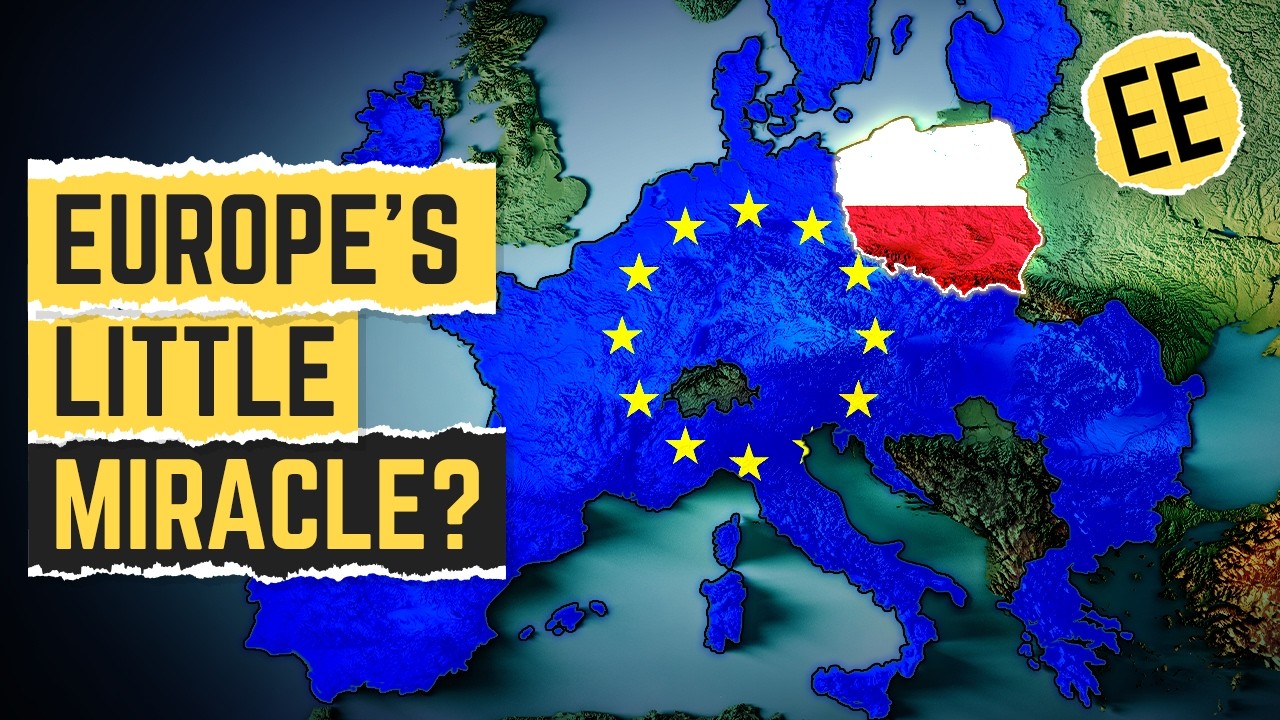
On Europe’s exposed north‑eastern flank, Poland is recasting its security doctrine around a stark premise: deterrence rests on hard power that is visible, ready and overwhelmingly national. Alliances still matter in Warsaw, but the country’s leaders are behaving as if, in the final analysis, neither Brussels nor Washington can be relied upon to act as swiftly—or as single‑mindedly—as Polish interests might require.

At the heart of this shift is an unprecedented build‑up of fixed and mobile defences on the frontier with Belarus and Russia’s Kaliningrad exclave. The multi‑year East Shield programme, announced in 2024 and now well under way, blends traditional fortifications and obstacles with modern surveillance, electronic warfare and rapid‑reaction infrastructure along the entire eastern border. In mid‑2025, authorities confirmed the addition of minefields to parts of the project, underscoring a move from symbolic fencing towards denial‑by‑engineering designed to slow and channel any hostile incursion long enough for Polish artillery, air defence and ground forces to engage.

This is not theory. Over the past 18 months, Polish airspace has been violated by Russian missiles and, most recently, waves of drones transiting from Belarus. In September 2025, Polish and allied aircraft shot down intruding drones—widely noted as the first kinetic engagement inside NATO territory linked to the war on Ukraine. Warsaw temporarily closed crossings with Belarus during Russia‑led military exercises and then reopened them once the drills ended, a sign of a government calibrating economic realities against a more volatile air‑and‑border threat picture. The message, repeated in official statements, is that incursions will be met with force when they are “clear‑cut” violations.

The second pillar of Poland’s doctrine is money—lots of it. Poland now spends the highest share of GDP on defence in the Alliance, around the mid‑4% range in 2025, with plans signalled to push towards the high‑4s in 2026. That places Warsaw well beyond NATO’s post‑Hague summit ambition of substantially increasing “core defence” outlays across the Alliance in the coming decade. Crucially, a larger slice of Poland’s budget goes to kit rather than salaries: air‑and‑missile defences, long‑range fires, armour, and the infrastructure to sustain them.

Procurement lists read like an order‑of‑battle overhaul. Deliveries of Abrams tanks from the United States are ongoing, alongside large tranches of K2 tanks and K9 self‑propelled howitzers from South Korea, with a follow‑on K2 order establishing long‑term assembly and manufacturing in Poland. The first Polish F‑35s are in training pipelines with in‑country deliveries scheduled to begin next year, while the Aegis Ashore ballistic‑missile defence site at Redzikowo has been declared operational and integrated into NATO’s shield. The permanent U.S. V Corps (Forward) headquarters in Poznań and a standing U.S. Army garrison in Poland anchor allied command‑and‑control on the Vistula. Yet, strikingly, Warsaw is not content to import its way to security; it is racing to on‑shore the industrial sinews of war, pouring billions of złoty into domestic production of 155 mm artillery shells and selecting foreign partners to build new ammunition plants that can feed both Polish units and European supply lines.

Manpower policy is being re‑engineered with equal ambition. The government has set out plans to make large‑scale, publicly accessible military training available—ultimately to every adult male—while expanding volunteer pathways and aiming to train 100,000 people annually by 2027. This push complements growth targets for the active force and reserves, all intended to ensure that Poland can surge trained personnel quickly if the strategic weather turns.

Where does Brussels fit into this? Relations have thawed on rule‑of‑law disputes, unlocking access to long‑delayed EU funds. But Warsaw has made plain it will not implement elements of the EU’s new migration pact that would compel acceptance of relocated migrants; it has also reintroduced temporary border checks with Germany and Lithuania, citing organised crime and irregular migration. On the security side, Poland is an enthusiastic driver of the emerging “drone wall” concept along the EU’s eastern frontier. Taken together, these choices sketch a posture of selective integration: take European money when it aligns with national priorities, but reserve sovereign latitude on borders and internal security.

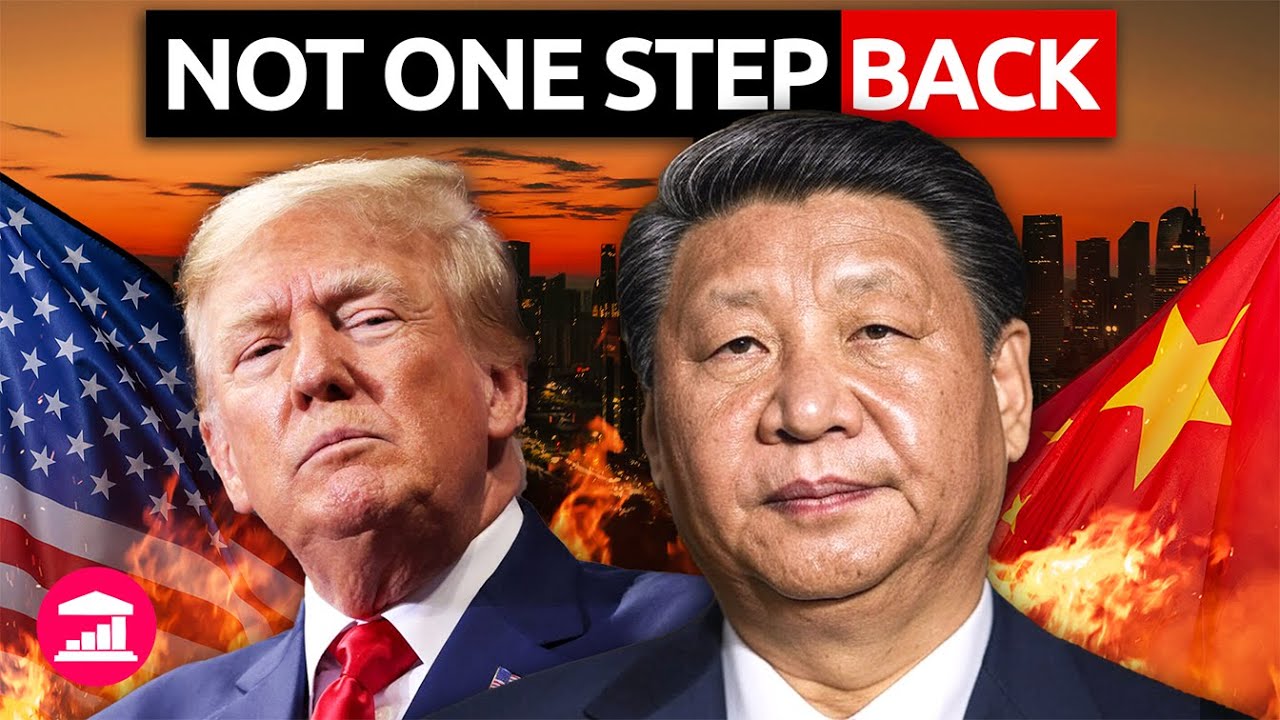
Nor is the reliance on force simply a European story. Across the Atlantic, U.S. signals have been mixed in recent years—from remarks that appeared to cast doubt on automatic protection for “delinquent” NATO members, to renewed assurances in 2025 that American troops will remain in Poland and might even increase. Polish officials welcome tangible U.S. deployments and capabilities, but they are plainly hedging against political oscillation in Washington by accelerating self‑reliance in their defence industry, stockpiles and training base. The governing logic is straightforward: alliances deter best when the ally in harm’s way can fight immediately and hold ground.

Domestic politics amplify this course. The election of Karol Nawrocki as president in August 2025 has added a sovereigntist accent to Warsaw’s foreign‑policy soundtrack. In his inaugural framing, Poland is “in the EU” but will not be “of” the EU in any way that dilutes competences crucial to national security and identity. That stance intersects with hard security in one especially consequential area: mines. Alongside the Baltic states, Poland announced its intention in 2025 to withdraw from the Ottawa (anti‑personnel mine) treaty, arguing that Russia’s conduct and the geography of the Suwałki corridor demand maximum defensive optionality. Humanitarian advocates warn of the risks; the government replies that modern doctrine, marking and command arrangements can mitigate them.

All of this costs money—and fiscal stress is visible. Ratings agencies have flagged high deficits and debt dynamics, shaped in part by defence outlays. Warsaw recently chose to trim the loan component of its EU recovery‑fund package, prioritising grants as deadlines loom. The balancing act is delicate: sustain deterrence at scale while keeping public finances credible and an economy already carrying the weight of war‑time disruptions competitive.

Yet step back from the line items, and a coherent doctrine comes into view. Poland is not repudiating its alliances; it is re‑weighting the bargain. The country is building a fortified frontier and a war‑capable society on the assumption that credible force—owned, stationed and manufactured at home—will decide what happens in the first hours and days of any crisis. If Brussels and Washington arrive with reinforcements, all the better. But the governing bet in Warsaw is brutally simple: only hard power keeps the peace on the Bug and the Vistula.
Featured


Marhabaan, welcome to the UAE and Dubai!

Marhabaan, welcome to the UAE and Dubai! The "skyward striving" Dubai next to ancient desert cities. Mysterious Bedouins and magnificent mosques exist peacefully alongside futuristic cities. Discover wadis and oases, golden sandy deserts, paradisiacal beaches and Arabian hospitality. The modern and the ancient Orient united in a book for dreaming.On this journey to Dubai and Abu Dhabi in the United Arab Emirates, the fairy tales of 1001 Arabian Nights meet the modern Arab world. These cascading cities enchant with their sky-high skyscrapers, fragrant souks, huge shopping centres and the ancient cultural heritage of the sheikhs.You can choose to stay in 4- or 5-star hotels with breakfast and swimming pools. You also have more options to book excursions so you can feel the magic of the East even more. If you want to do something out of the ordinary, you can spend an extra night in an enchanting hotel in the middle of the emirate's desert. Experience your own fairytale from 1001 nights and look forward to a holiday with plenty of casual extravagance in two superlative desert cities!

Trade and business at the Dubai Gold Souk

If Naif Deira is associated with a specific context, organization, or field, providing more details could help me offer more relevant information. Keep in mind that privacy considerations and ethical guidelines limit the amount of information available about private individuals, especially those who are not public figures. The Dubai Gold Souk is one of the most famous gold markets in the world and is located in the heart of Dubai's commercial business district in Deira. It's a traditional market where you can find a wide variety of gold, silver, and precious stone jewelry. The Gold Souk is known for its extensive selection of jewelry, including rings, bracelets, necklaces, and earrings, often crafted with intricate designs.Variety: The Gold Souk offers a vast array of jewelry designs, with a focus on gold. You can find items ranging from traditional to modern styles.Competitive Pricing: The market is known for its competitive pricing, and bargaining is a common practice. Prices are typically based on the weight of the gold and the craftsmanship involved.Gold and More: While gold is the primary focus, the souk also offers other precious metals such as silver and platinum, as well as a selection of gemstones.Cultural Experience: Visiting the Gold Souk provides not only a shopping experience but also a glimpse into the traditional trading culture of Dubai. The vibrant market is a popular destination for both tourists and locals.Security: The market is generally safe, and there are numerous shops with security measures in place. However, as with any crowded area, it's advisable to take standard precautions regarding personal belongings.Gold Souk is just one part of the larger Deira Souk complex, which also includes the Spice Souk and the Textile Souk. It's a must-visit for those interested in jewelry, and it reflects the rich cultural and trading history of Dubai.

Dubai: Amazing City Center, Night Walking Tour

During this excursion, we leisurely explore Dubai Downtown and Burj Khalifa in the evening, giving you the chance to witness the captivating transformation of the district as it comes alive with the vibrant glow of thousands of lights. As the sun sets, the illuminated facade of Burj Khalifa and the enchanting Dubai Fountain collaborate to produce a genuinely magical atmosphere.Dubai Downtown, also known as Downtown Dubai, is a distinguished and iconic district situated in the heart of Dubai, United Arab Emirates. It is a renowned neighborhood celebrated for its striking architecture, luxurious living, and exceptional entertainment options. At the core of Downtown Dubai stands the Burj Khalifa, a towering skyscraper that holds the title of the world's tallest man-made structure and serves as an emblem of modern Dubai.Burj Khalifa: The focal point of Downtown Dubai, Burj Khalifa, is famous for its groundbreaking height, reaching an impressive 828 meters (2,722 feet). Designed by architect Adrian Smith, its distinctive Y-shaped design encompasses a mix of residential, commercial, and hotel spaces.Dubai Mall: Adjacent to Burj Khalifa is the Dubai Mall, one of the largest shopping malls globally, featuring an extensive array of retail outlets, from high-end boutiques to international brands. The mall also provides various dining options, and entertainment attractions like an indoor ice rink and an aquarium, and hosts the mesmerizing Dubai Fountain.Dubai Fountain: Located just outside the Dubai Mall, the Dubai Fountain is a captivating attraction that presents a nightly spectacle of water, music, and light, captivating visitors with its perfectly synchronized performances.Emaar Boulevard: Stretching through Downtown Dubai, this boulevard is adorned with restaurants, cafes, and shops, making it a popular spot for leisurely strolls, dining, and people-watching.Luxury Living: Downtown Dubai boasts numerous upscale residential buildings and hotels, making it an appealing locale for those seeking a sophisticated urban lifestyle.Cultural Attractions: The Dubai Opera, an iconic cultural venue within the district, hosts a diverse range of performances, including opera, ballet, concerts, and theater productions.Transportation: Downtown Dubai is well-connected through public transportation, including the Dubai Metro, facilitating easy access to other parts of the city.In summary, Downtown Dubai is a dynamic and vibrant district that stands as a testament to Dubai's modernity and grandeur. It seamlessly combines architectural wonders with shopping, entertainment, and cultural offerings, creating a truly extraordinary destination.