Dubai Telegraph - Tel Aviv’s Wartime rally

EUR -
AED 4.35745
AFN 77.716132
ALL 96.672648
AMD 443.429494
ANG 2.123942
AOA 1088.026572
ARS 1695.052999
AUD 1.714878
AWG 2.137492
AZN 2.018143
BAM 1.957263
BBD 2.365788
BDT 143.687374
BGN 1.992584
BHD 0.442833
BIF 3478.799614
BMD 1.186507
BND 1.502423
BOB 8.1171
BRL 6.293705
BSD 1.174583
BTN 107.822118
BWP 16.293244
BYN 3.325313
BYR 23255.530235
BZD 2.362385
CAD 1.623912
CDF 2586.584313
CHF 0.921993
CLF 0.025884
CLP 1022.054308
CNY 8.274224
CNH 8.248126
COP 4242.674865
CRC 581.336867
CUC 1.186507
CUP 31.442426
CVE 110.347925
CZK 24.262045
DJF 209.177194
DKK 7.468004
DOP 74.005614
DZD 153.304853
EGP 55.343057
ERN 17.7976
ETB 182.969299
FJD 2.669991
FKP 0.86969
GBP 0.868208
GEL 3.191928
GGP 0.86969
GHS 12.803622
GIP 0.86969
GMD 86.614852
GNF 10288.775241
GTQ 9.015699
GYD 245.754682
HKD 9.247129
HNL 30.984284
HRK 7.531968
HTG 154.055121
HUF 381.911543
IDR 19904.835471
ILS 3.71952
IMP 0.86969
INR 108.63975
IQD 1538.856431
IRR 49981.592593
ISK 145.79734
JEP 0.86969
JMD 184.898949
JOD 0.841251
JPY 182.891727
KES 151.417916
KGS 103.75953
KHR 4727.532759
KMF 498.332658
KPW 1067.97987
KRW 1710.687469
KWD 0.363546
KYD 0.978936
KZT 591.316859
LAK 25384.182861
LBP 105188.791311
LKR 363.905004
LRD 217.296886
LSL 18.959027
LTL 3.503446
LVL 0.717706
LYD 7.473616
MAD 10.759386
MDL 19.992108
MGA 5313.993399
MKD 61.677129
MMK 2490.828896
MNT 4229.231187
MOP 9.43449
MRU 46.96249
MUR 54.472944
MVR 18.331255
MWK 2036.830652
MXN 20.607126
MYR 4.711027
MZN 75.829212
NAD 18.959027
NGN 1670.969013
NIO 43.222663
NOK 11.547023
NPR 172.516644
NZD 1.989629
OMR 0.454692
PAB 1.174683
PEN 3.940661
PGK 5.023796
PHP 69.937414
PKR 328.662286
PLN 4.212876
PYG 7854.90286
QAR 4.282518
RON 5.124995
RSD 117.489777
RUB 88.861996
RWF 1713.187439
SAR 4.449167
SBD 9.638718
SCR 16.924364
SDG 713.686021
SEK 10.562733
SGD 1.505398
SHP 0.890187
SLE 28.933502
SLL 24880.450216
SOS 670.103574
SRD 45.23083
STD 24558.291997
STN 24.518529
SVC 10.277724
SYP 13122.2591
SZL 18.954244
THB 36.927654
TJS 10.982622
TMT 4.152773
TND 3.419541
TOP 2.856823
TRY 51.486202
TTD 7.97903
TWD 37.302935
TZS 3014.088736
UAH 50.648362
UGX 4152.120266
USD 1.186507
UYU 44.482491
UZS 14256.894113
VES 417.965256
VND 31078.761797
VUV 141.792264
WST 3.269526
XAF 656.450314
XAG 0.010921
XAU 0.000234
XCD 3.206593
XCG 2.116991
XDR 0.816414
XOF 656.450314
XPF 119.331742
YER 282.769152
ZAR 19.077307
ZMK 10679.987975
ZMW 23.044415
ZWL 382.054655
  • SCS

    0.0200

    16.14

    +0.12%

  • CMSD

    0.0900

    24.13

    +0.37%

  • NGG

    1.3200

    81.5

    +1.62%

  • CMSC

    0.1000

    23.75

    +0.42%

  • RIO

    3.1300

    90.43

    +3.46%

  • BCE

    0.4900

    25.2

    +1.94%

  • JRI

    0.0100

    13.68

    +0.07%

  • RBGPF

    -0.8100

    83.23

    -0.97%

  • BCC

    -1.1800

    84.33

    -1.4%

  • RYCEF

    0.3000

    17.12

    +1.75%

  • RELX

    0.0600

    39.9

    +0.15%

  • GSK

    0.5000

    49.15

    +1.02%

  • VOD

    0.2300

    14.17

    +1.62%

  • BTI

    0.9400

    59.16

    +1.59%

  • BP

    1.1000

    36.53

    +3.01%

  • AZN

    1.2600

    92.95

    +1.36%


Tel Aviv’s Wartime rally


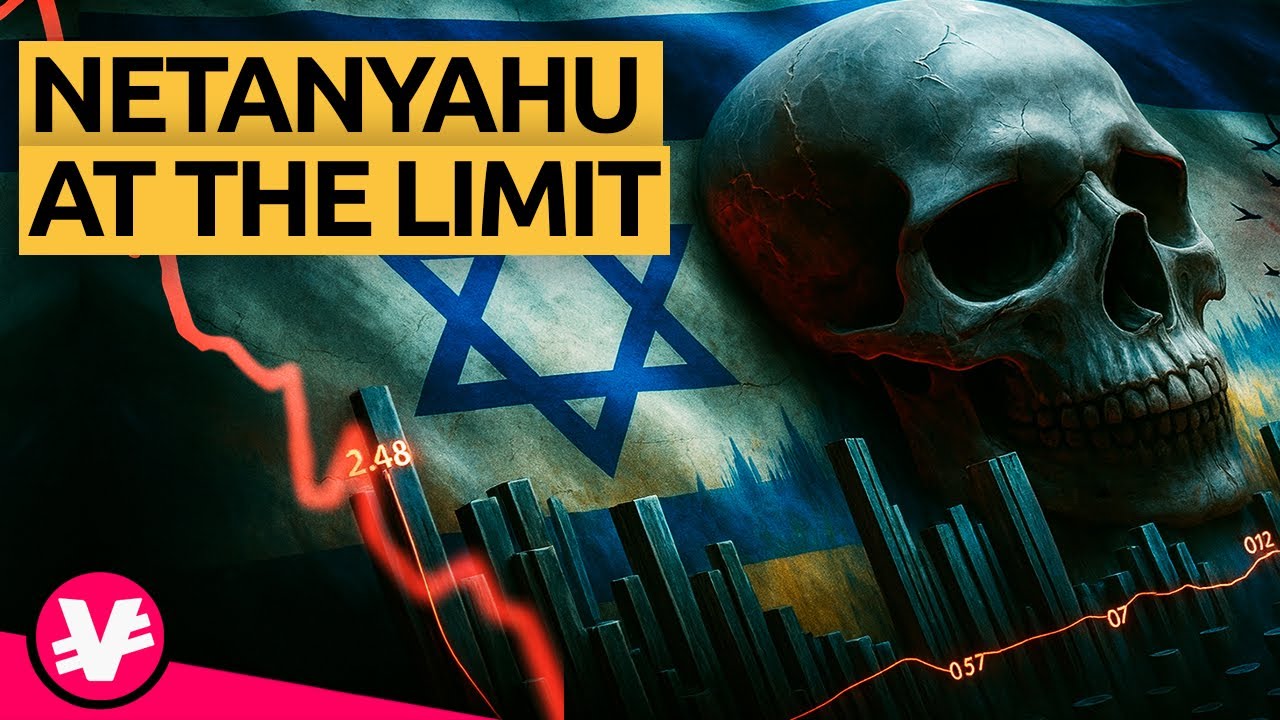
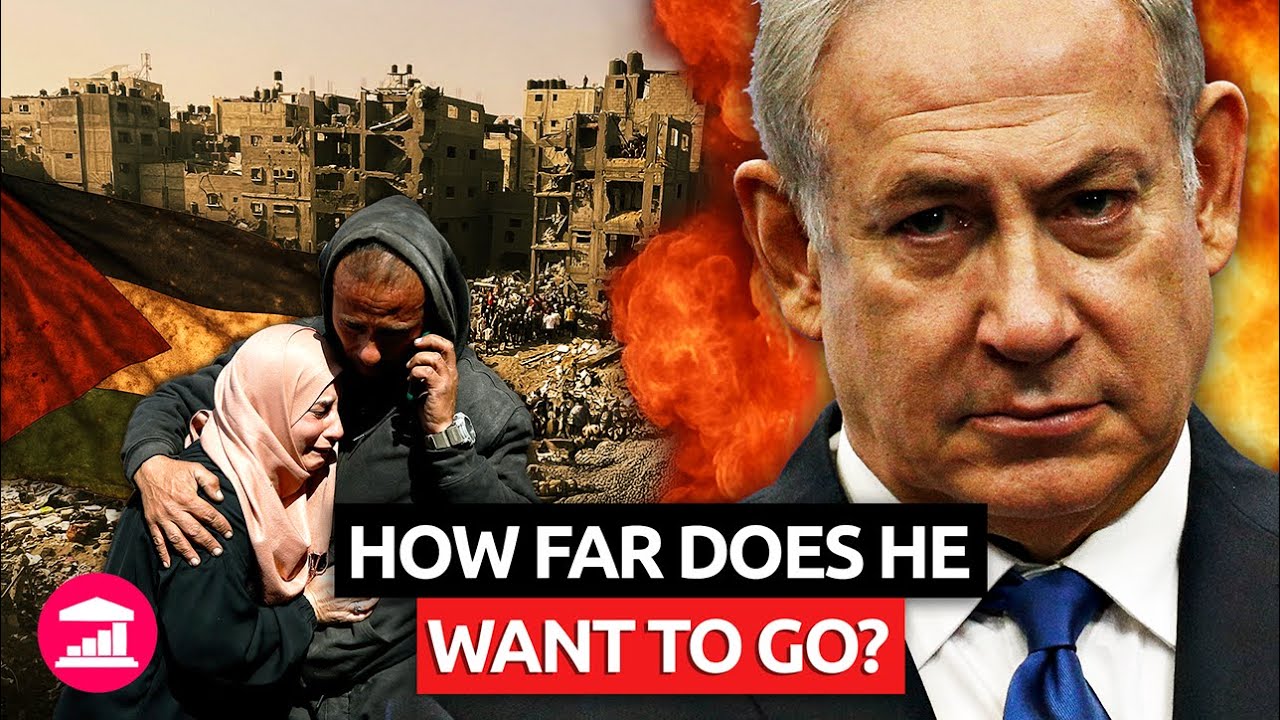
Israel’s equity benchmarks have climbed to fresh records even as the country wages simultaneous conflicts. The blue-chip index has advanced sharply in recent months, with the broader market notching new highs during intense geopolitical escalations. Gains accelerated after major security events in June and continued into September, leaving year-to-date performance near the top of the global league tables.

A market built for resilience. The Tel Aviv market is unusually heavy in banks, software, pharmaceuticals, and defense technology—sectors whose earnings are either globally diversified or directly insulated from domestic demand shocks. Banks benefit from still-elevated policy rates that support net interest margins, while leading software and cybersecurity names draw the majority of sales from overseas clients, muting local disruption. Defense contractors have logged outsized backlogs and new export orders as regional tensions lifted procurement cycles, translating quickly into revenue and earnings beats. 

Policy cushions under the market. The central bank has held rates steady at 4.5% this year, balancing inflation control with financial-stability aims. That stance—combined with a well-telegraphed readiness to act in FX markets—has limited shekel volatility and anchored discount-rate assumptions in equity models. A more stable currency lowers the risk premia investors demand and supports multiples on exporters’ future cash flows. 

War spending and external backstops. Wartime budgets channel orders into domestic defense supply chains and supporting services, while external security aid and strong diaspora/foreign flows mitigate balance-of-payments stress. For listed primes and tier-one suppliers, firm multi-quarter visibility on contracts reduces earnings uncertainty; investors price that visibility at a premium during crises. Recent quarterly results from a flagship defense name showed double-digit revenue and EPS growth alongside large new awards, reinforcing the thesis. 

Sentiment mechanics: “buy bad news.” After initial drawdowns around major flare-ups, Israel’s market has often staged fast recoveries. Traders cite three dynamics: (1) systematic money returning once volatility spikes subside; (2) local pensions and provident funds averaging in on weakness; (3) foreign funds reassessing tail-risk after rapid, decisive military responses. That pattern was visible around the late-June strikes, when the main indices jumped across all five sessions and pushed to records. 

Micro drivers: banks and defense lead, tech follows. Bank shares, a heavy index weight, re-rated on net interest income resilience and benign credit metrics. Defense stocks rallied on expanding backlogs and export deals; one leading contractor surged on earnings and a multi-billion-dollar award. Software and cyber names, with dollar-linked revenues, benefited from a firmer shekel and ongoing AI/digitization demand. Together, these groups offset pockets of weakness in domestically exposed small caps. 

FX and rates as valuation levers. Equity multiples in Tel Aviv are sensitive to real yields and the ILS path. A steady policy rate and contained FX swings keep discount rates from ratcheting higher, while any signal of future cuts would, at the margin, lift present values for long-duration growth names. Central-bank communication this summer emphasized market stabilization alongside inflation convergence—guidance that helped compress risk premia. 
boi.org.il

Global context: flows chase relative strength. In a year of choppy global equities, relative-momentum strategies and ETF rebalancing tend to channel flows into the best-performing markets. As Israel’s benchmarks outperformed, incremental passive and active allocations reinforced the move, pushing indices to successive highs. Daily print data in early September captured that continued grind higher. 

What could stop the rally
- Escalation risk. A broader regional conflict that disrupts critical infrastructure or mobilization on a much larger scale would hit earnings expectations and risk appetite. Short, sharp flare-ups have been “buyable”; a drawn-out expansion may not be. 
- Policy disappointment. A surprise tightening or a disorderly FX episode would lift discount rates and pressure valuations, especially in tech and rate-sensitive financials. 
- Earnings air-pockets. If defense deliveries slip or banks guide to weaker credit growth/fees, the index’s two pillars wobble. Recent prints were strong but leave little room for execution errors. 
- Valuation gravity. After a swift re-rating, some strategists warn momentum may outpace fundamentals; breadth indicators already flag froth in mid-caps. A modest pullback would not be surprising. 

The bottom line
Israel’s stock surge is less a paradox than a reflection of market structure, policy buffers, and profit visibility in key sectors. Banks, software exporters, and defense suppliers can thrive even when domestic demand is strained; stable currency policy and predictable funding reinforce that resilience. The setup remains constructive while earnings and policy hold—yet highly sensitive to escalation, policy missteps, or an abrupt turn in global risk appetite.
Featured


Marhabaan, welcome to the UAE and Dubai!

Marhabaan, welcome to the UAE and Dubai! The "skyward striving" Dubai next to ancient desert cities. Mysterious Bedouins and magnificent mosques exist peacefully alongside futuristic cities. Discover wadis and oases, golden sandy deserts, paradisiacal beaches and Arabian hospitality. The modern and the ancient Orient united in a book for dreaming.On this journey to Dubai and Abu Dhabi in the United Arab Emirates, the fairy tales of 1001 Arabian Nights meet the modern Arab world. These cascading cities enchant with their sky-high skyscrapers, fragrant souks, huge shopping centres and the ancient cultural heritage of the sheikhs.You can choose to stay in 4- or 5-star hotels with breakfast and swimming pools. You also have more options to book excursions so you can feel the magic of the East even more. If you want to do something out of the ordinary, you can spend an extra night in an enchanting hotel in the middle of the emirate's desert. Experience your own fairytale from 1001 nights and look forward to a holiday with plenty of casual extravagance in two superlative desert cities!

Trade and business at the Dubai Gold Souk

If Naif Deira is associated with a specific context, organization, or field, providing more details could help me offer more relevant information. Keep in mind that privacy considerations and ethical guidelines limit the amount of information available about private individuals, especially those who are not public figures. The Dubai Gold Souk is one of the most famous gold markets in the world and is located in the heart of Dubai's commercial business district in Deira. It's a traditional market where you can find a wide variety of gold, silver, and precious stone jewelry. The Gold Souk is known for its extensive selection of jewelry, including rings, bracelets, necklaces, and earrings, often crafted with intricate designs.Variety: The Gold Souk offers a vast array of jewelry designs, with a focus on gold. You can find items ranging from traditional to modern styles.Competitive Pricing: The market is known for its competitive pricing, and bargaining is a common practice. Prices are typically based on the weight of the gold and the craftsmanship involved.Gold and More: While gold is the primary focus, the souk also offers other precious metals such as silver and platinum, as well as a selection of gemstones.Cultural Experience: Visiting the Gold Souk provides not only a shopping experience but also a glimpse into the traditional trading culture of Dubai. The vibrant market is a popular destination for both tourists and locals.Security: The market is generally safe, and there are numerous shops with security measures in place. However, as with any crowded area, it's advisable to take standard precautions regarding personal belongings.Gold Souk is just one part of the larger Deira Souk complex, which also includes the Spice Souk and the Textile Souk. It's a must-visit for those interested in jewelry, and it reflects the rich cultural and trading history of Dubai.

Dubai: Amazing City Center, Night Walking Tour

During this excursion, we leisurely explore Dubai Downtown and Burj Khalifa in the evening, giving you the chance to witness the captivating transformation of the district as it comes alive with the vibrant glow of thousands of lights. As the sun sets, the illuminated facade of Burj Khalifa and the enchanting Dubai Fountain collaborate to produce a genuinely magical atmosphere.Dubai Downtown, also known as Downtown Dubai, is a distinguished and iconic district situated in the heart of Dubai, United Arab Emirates. It is a renowned neighborhood celebrated for its striking architecture, luxurious living, and exceptional entertainment options. At the core of Downtown Dubai stands the Burj Khalifa, a towering skyscraper that holds the title of the world's tallest man-made structure and serves as an emblem of modern Dubai.Burj Khalifa: The focal point of Downtown Dubai, Burj Khalifa, is famous for its groundbreaking height, reaching an impressive 828 meters (2,722 feet). Designed by architect Adrian Smith, its distinctive Y-shaped design encompasses a mix of residential, commercial, and hotel spaces.Dubai Mall: Adjacent to Burj Khalifa is the Dubai Mall, one of the largest shopping malls globally, featuring an extensive array of retail outlets, from high-end boutiques to international brands. The mall also provides various dining options, and entertainment attractions like an indoor ice rink and an aquarium, and hosts the mesmerizing Dubai Fountain.Dubai Fountain: Located just outside the Dubai Mall, the Dubai Fountain is a captivating attraction that presents a nightly spectacle of water, music, and light, captivating visitors with its perfectly synchronized performances.Emaar Boulevard: Stretching through Downtown Dubai, this boulevard is adorned with restaurants, cafes, and shops, making it a popular spot for leisurely strolls, dining, and people-watching.Luxury Living: Downtown Dubai boasts numerous upscale residential buildings and hotels, making it an appealing locale for those seeking a sophisticated urban lifestyle.Cultural Attractions: The Dubai Opera, an iconic cultural venue within the district, hosts a diverse range of performances, including opera, ballet, concerts, and theater productions.Transportation: Downtown Dubai is well-connected through public transportation, including the Dubai Metro, facilitating easy access to other parts of the city.In summary, Downtown Dubai is a dynamic and vibrant district that stands as a testament to Dubai's modernity and grandeur. It seamlessly combines architectural wonders with shopping, entertainment, and cultural offerings, creating a truly extraordinary destination.