Australia's new climate promise meets mining reality / Photo: PETER PARKS - AFP
Flood, fire and drought-battered Australia is trying to clean up its act on climate change, but dependence on fossil fuel riches could stymie the national makeover.
Centre-left Prime Minister Anthony Albanese swept to power in May promising weary Australians that he would tackle climate change.
He followed through on a key plank of that promise Thursday, nearly doubling the country's 2030 emissions reduction target to 43 percent.
Albanese faces a thorny dilemma: Australians want real steps to slow global heating, but they live in a country that depends on exporting the fossil fuels that cause it.
Australia's emissions -- while high per person -- account for just over one percent of global emissions.
Much more significant are the fossil fuels dug up in Australia and burned overseas.
Estimates differ, but these could account for anywhere between three and five percent of global emissions, making Australia one of the world's largest carbon polluters.
Another beneficiary of the May election wants to put an end to that.
"You don't end the climate wars by opening up new coal and gas mines," said Australian Greens leader Adam Bandt, whose party now holds the balance of power in the Senate and wants radical energy reform in return for working with the government.
The sticking point for the Greens, Bandt told AFP, was that the government had pledged support for 114 new coal and gas projects already in Australia's investment pipeline.
Modelling by the Greens found these projects would more than double Australia's emissions.
"None of these new projects the government wants to open are factored into their climate modelling," Bandt said.
- Wilder climate -
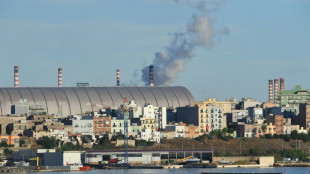
First discovered in 1791, Australia's vast coal deposits make it the world's second-largest exporter.
It is also one of the top exporters of gas -- mostly natural gas and gas exploited from coal seams.
Fossil fuels account for about a quarter of Australian exports, with most destined for Japan, China and South Korea, according to Reserve Bank of Australia analysis.
Domestically, about 70 percent of electricity comes from coal and gas, according to official figures.
Given the economic sensitivities, the Albanese government has so far dodged calls to set a deadline for withdrawal from the sector, arguing international markets will decide when coal is no longer viable.
The approach may quell dissent from the coal and gas industry, used to getting its way after a decade of conservative governments.
But it could cause economic turmoil, with central bank analysts warning coal demand could fall by up to 80 percent by the middle of the decade, leaving "stranded assets" that cannot be sold.
Already the strains are starting to show.
Mining giant BHP on Thursday announced it had been unable to sell its coal assets in the populous state of New South Wales.
The country's largest energy producer and carbon emitter AGL is also facing an uncertain future.
When AGL tried to split off the most polluting parts of its business, green-minded tech billionaire Mike Cannon-Brookes sought to buy the company to stop the plan.
His bid was rejected, but Cannon-Brookes successfully lobbied fellow investors to block the demerger, arguing it would hurt shareholders and delay coal-fired power station closures.
Greenpeace Australia's chief executive David Ritter said AGL's experience was a lesson to listen to the call for climate action.
"Every corporation that makes the same mistakes can expect to also run into real turbulence very, very quickly," he told AFP.
This turbulence will come from activists, but also from the Australian public who have seen first-hand how a wilder climate can turn on them.
- After the 'Black Summer' -
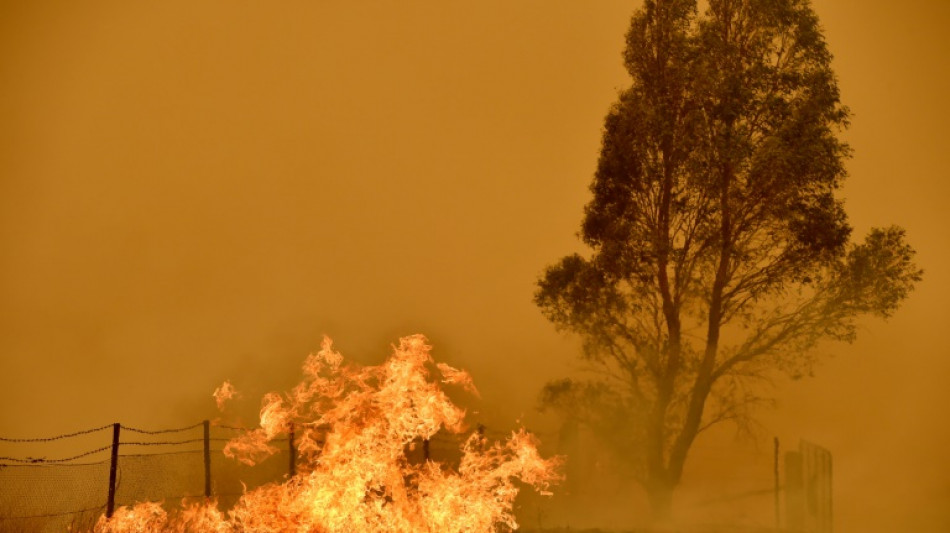
Australia's 2019-20 "Black Summer" bushfires scorched 24 million hectares of land, cloaked cities in smoke, and killed more than 30 people along with an estimated tens of millions of wild animals.
In the two subsequent years, dramatic floods swamped Australia's east coast, this year killing more than 20 people as waters reached rooftops and torrents swept cars off roads.
Before the bushfires, veteran firefighter Greg Mullins tried to warn the government it was not prepared for the infernos to come.
For 14 years, Mullins had led the fire service in Australia's largest state, New South Wales, and he was joined by other retired emergency services leaders in sounding the alarm that climate change had dramatically escalated the fire threat.
"It was all political. Because we mentioned climate change, they just locked us out," he told AFP.
He and fellow members of Emergency Leaders for Climate Action are calling for far more ambitious emissions cuts -- 75 percent by 2030.
"We've lost the last decade of climate action, they've got to do a lot of catching up," he said.
Y.El-Kaaby--DT