Indigenous Australians awarded major compensation in mining dispute / Photo: Adrian DENNIS - AFP/File
An Australian court ordered iron ore giant Fortescue on Tuesday to pay Indigenous people more than Aus$150 million ($108 million) in compensation for mining on their traditional lands.
It was reportedly the largest compensation order in Australian history under laws giving Indigenous people land rights, known as native title.
Federal Court judge Stephen Burley described how four large open-pit mines, a railway, tailings dam, waste dumps and a stockpile were strewn across the lands of the Yindjibarndi people in Western Australia's Pilbara region.
More than 135 square kilometres (52 square miles) had been fenced off for the so-called Solomon mining hub, barring everyone including the traditional owners from entry because of the danger.
Of 240 designated Indigenous "heritage sites", 124 were "completely destroyed" by mining operations and some others dug up, put under roads or drowned by the tailings dam, the judge said in a written summary of his findings.
Burley awarded a "relatively low" financial compensation of about Aus$100,000, based on the freehold value of the land.
But he ordered that compensation for the cultural loss, which must be assessed separately, would be Aus$150 million.
The award was far below the Yindjibarndi Ngurra Aboriginal Corporation's demand for more than Aus$800 million in compensation for economic losses and Aus$1 billion in cultural losses.
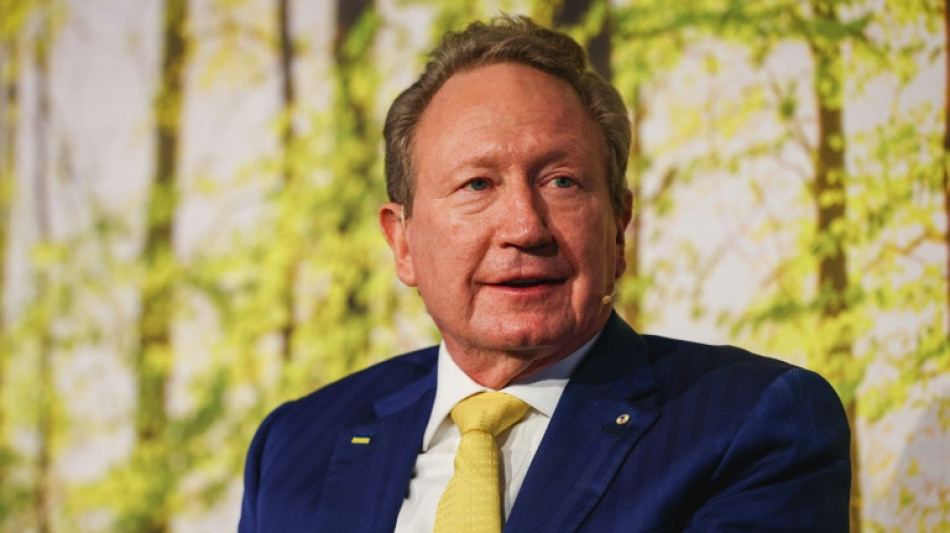
Fortescue, chaired by billionaire Andrew Forrest, had argued for cultural compensation of no more than Aus$8 million.
"Andrew Forrest and Fortescue care deeply about all First Nations people, including the Yindjibarndi community," a Fortescue spokesperson said.
"Fortescue accepts that the Yindjibarndi People are entitled to compensation."
The mining company said it had strong relationships with Indigenous peoples in the Pilbara region and that it worked hand in hand with them to manage their cultural heritage "sustainably and responsibly".
Y.El-Kaaby--DT