Lower pollution during Covid boosted methane: study / Photo: STR - AFP/File
In an ironic twist, lower air pollution during Covid lockdowns fuelled an unprecedented surge in the powerful greenhouse gas methane in the early 2020s, a study said Thursday.
Methane levels rose at a record pace in the wake of the pandemic as the super pollutant's main natural "cleaning agent" weakened during that period, the research found.
The rise was also partly attributed to an increase in emissions from wetlands, lakes, rivers and agriculture, the result of wetter-than-average conditions in tropical areas, according to the study published in the journal Science.
Methane, the second biggest contributor to climate change, stays in the atmosphere far less longer than CO2, but its warming effect is roughly 80 times more potent over a 20-year period.
The greenhouse gas is scrubbed from the atmosphere over time by hydroxyl radicals (OH), molecules that act as natural "cleaning agents" and have a very short lifespan.
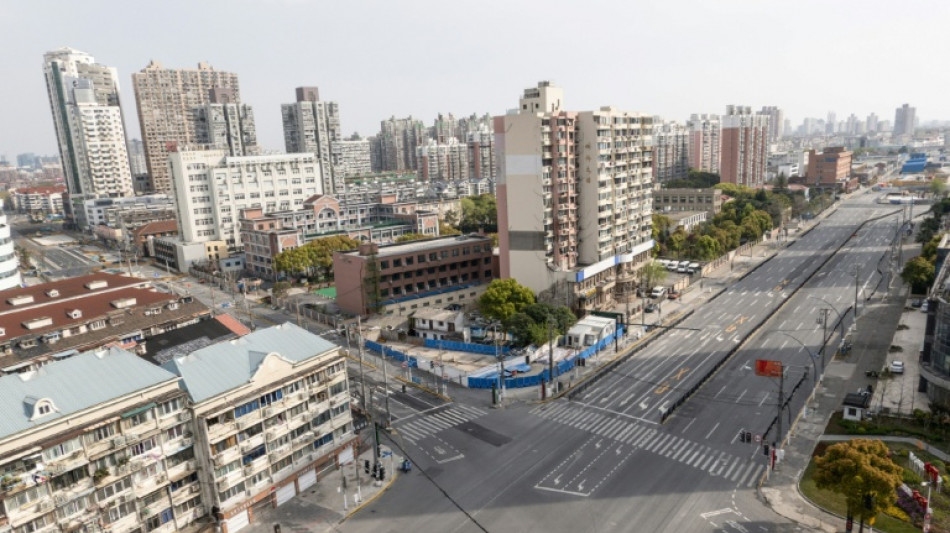
As Covid lockdowns limited travel and kept businesses shut, it caused a decline in a key ingredient -- nitrogen oxide -- which is needed to produce hydroxyl radicals.
"These drops in OH are partly linked to the fact that we emitted less nitrogen oxide," Philippe Ciais, the study's lead author, said in a press briefing.
"It seems paradoxical: We pollute less but it's not good for methane (levels)," said Ciais, associate director at the Laboratory of Climate and Environment Sciences outside Paris.
The sharp drop in hydroxyl radicals in 2020 and 2021 explains roughly 80 percent of the annual variation in methane accumulation, the study said.
Methane levels had been rising steadily since 2007 but their growth accelerated during the pandemic, peaking at 16.2 parts per billion per year in 2020 before declining by half by 2023.
"The impressive increase in methane in the air at the beginning of the 2020s is mainly due to a reduction in the oxidizing capacity of the atmosphere," Ciais said.
The paradox raises questions about how to ensure that clean air policies and efforts to cut pollution from cars, planes and ships do not have a negative effect on climate.
Marielle Saunois, a co-author of the study, described it as "collateral damage".
"For me, this means we need to improve air quality and, even more importantly, mitigate greenhouse gas emissions, to offset these negative effects linked to the chemical-climate relationship," Saunois said.
- The methane pledge -
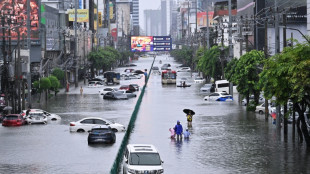
The paper also linked the rise in methane levels to exceptionally wet conditions due to the cooling La Nina weather phenomenon between 2020 and 2023, especially in tropical Africa and southeast Asia.
Some 40 percent of methane emissions come from natural sources, mainly wetlands.
The rest are from human activities, particularly agriculture and the energy sector.
"As the planet becomes warmer and wetter, methane emissions from wetlands, inland waters, and paddy rice systems will increasingly shape near-term climate change," said Hanqin Tian, a Boston College professor and co-author of the study.
The scientists said these effects need to be better understood and factored into global efforts to reduce methane emissions.
Under the Global Methane Pledge, launched at COP26 in Glasgow in 2021, nearly 160 countries have committed to cutting global methane emissions by 30 percent by 2030 compared with 2020 levels.
F.El-Yamahy--DT