Dubai Telegraph - California's Economy: Not Broken

EUR -
AED 4.182614
AFN 75.167292
ALL 93.902616
AMD 417.452931
AOA 1045.510427
ARS 1708.080292
AUD 1.632807
AWG 2.052867
AZN 1.934662
BAM 1.960456
BBD 2.293638
BDT 140.5839
BHD 0.429418
BIF 3406.074805
BMD 1.1389
BND 1.473193
BOB 12.976821
BRL 5.847793
BSD 1.1388
BTN 109.079596
BWP 15.68719
BYN 3.266744
BYR 22322.439964
BZD 2.29034
CAD 1.606618
CDF 2573.91431
CHF 0.932083
CLF 0.027043
CLP 1064.32451
CNY 7.70591
CNH 7.71078
COP 3650.071993
CRC 518.12833
CUC 1.1389
CUP 30.18085
CVE 110.527514
CZK 24.169792
DJF 202.405585
DKK 7.474959
DOP 66.347582
DZD 151.856354
EGP 57.513425
ERN 17.0835
ETB 183.805055
FJD 2.539462
FKP 0.856083
GBP 0.856971
GEL 2.984175
GGP 0.856083
GHS 13.266509
GIP 0.856083
GMD 84.278841
GNF 9995.740856
GTQ 8.687596
GYD 238.205762
HKD 8.930599
HNL 30.507458
HRK 7.533595
HTG 148.832839
HUF 359.702775
IDR 20606.117666
ILS 3.484584
IMP 0.856083
INR 108.869102
IQD 1491.843273
IRR 1566129.859978
ISK 142.202809
JEP 0.856083
JMD 180.338321
JOD 0.807457
JPY 186.558657
KES 147.544381
KGS 99.597067
KHR 4603.914532
KMF 493.143631
KRW 1654.707165
KWD 0.353708
KYD 0.94895
KZT 544.641185
LAK 25810.301975
LBP 101977.706962
LKR 382.6789
LRD 206.118647
LSL 19.136667
LTL 3.362876
LVL 0.688909
LYD 7.306353
MAD 10.683174
MDL 20.156786
MGA 4880.59188
MKD 61.666192
MMK 2391.889523
MNT 4095.292812
MOP 9.197946
MRU 45.553193
MUR 54.086562
MVR 17.607592
MWK 1974.690081
MXN 19.858589
MYR 4.660351
MZN 72.787059
NAD 19.136752
NGN 1555.043387
NIO 41.909355
NOK 11.051509
NPR 174.527754
NZD 1.967706
OMR 0.437901
PAB 1.138805
PEN 3.87639
PGK 5.021928
PHP 70.016128
PKR 316.324501
PLN 4.32446
PYG 6850.270057
QAR 4.15146
RON 5.229715
RSD 117.390986
RUB 89.6864
RWF 1669.457795
SAR 4.269837
SBD 9.184827
SCR 15.384259
SDG 683.910885
SEK 11.04188
SGD 1.471681
SLE 27.618086
SOS 650.842958
SRD 43.109076
STD 23572.930532
STN 24.55822
SVC 9.964667
SZL 19.139374
THB 38.164723
TJS 10.493824
TMT 3.997539
TND 3.381216
TRY 53.953907
TTD 7.745362
TWD 36.878266
TZS 3014.102283
UAH 51.211933
UGX 4299.192125
USD 1.1389
UYU 45.748658
UZS 13722.59249
VES 844.929468
VND 29992.931451
VUV 135.718863
WST 3.133123
XAF 657.515777
XAG 0.019936
XAU 0.000283
XCD 3.077934
XCG 2.052366
XDR 0.816854
XOF 657.518671
XPF 119.331742
YER 271.228836
ZAR 19.006954
ZMK 10251.494404
ZMW 21.295579
ZWL 366.725335
  • CMSC

    0.0600

    21.81

    +0.28%

  • CMSD

    0.0700

    22.12

    +0.32%

  • RBGPF

    0.0000

    66

    0%

  • JRI

    0.0000

    12.91

    0%

  • RIO

    -0.3100

    91.64

    -0.34%

  • BCE

    0.5700

    21.81

    +2.61%

  • BCC

    2.1600

    80.38

    +2.69%

  • RYCEF

    -0.1700

    18.7

    -0.91%

  • GSK

    1.7300

    53.71

    +3.22%

  • NGG

    -0.3500

    80.86

    -0.43%

  • RELX

    2.1100

    37.76

    +5.59%

  • BTI

    1.4800

    62.3

    +2.38%

  • BP

    -0.6400

    41.67

    -1.54%

  • VOD

    0.5900

    16.39

    +3.6%

  • AZN

    2.8400

    172.48

    +1.65%


California's Economy: Not Broken


California's economy has long been a subject of fascination and debate. As the largest state economy in the United States and one of the biggest in the world, it often serves as a bellwether for broader economic trends. Recently, however, a narrative has emerged suggesting that California's economy is broken, plagued by high unemployment, staggering budget deficits, and a steady stream of businesses and residents fleeing the state. Yet, a closer examination reveals a more nuanced picture—one where challenges exist but are counterbalanced by significant strengths and ongoing resilience. This article explores why California's economy might appear broken but, in reality, remains robust and dynamic.

The Perception of Decline
At first glance, the numbers seem bleak. California's unemployment rate has been a persistent concern, standing at 5.3% in early 2025—higher than the national average and second only to Michigan and Nevada among U.S. states. This elevated rate has fueled criticism that the state's economic policies are failing its workforce. Labor force participation has also lagged, growing by just 0.6% between February 2020 and April 2025. Factors like a chronic housing shortage and the retirement of aging workers contribute to this sluggish growth, painting a picture of a job market struggling to keep pace.

Budget deficits add to the perception of economic trouble. For the 2024-25 fiscal year, California faces a projected $68 billion shortfall, a stark contrast to recent surpluses. State spending has risen by 7.5% annually, outpacing revenue growth, which relies heavily on personal income taxes from high earners. This tax base, tied to volatile stock market performance, leaves the state vulnerable to downturns, especially when tech stocks falter. Such fiscal instability has led some to question the sustainability of California's economic model.

Outmigration further reinforces the "broken" narrative. High housing costs, taxes, and the pursuit of better opportunities elsewhere have driven a net loss of residents. With median home prices exceeding $600,000 and rental markets under pressure, many middle-income families find the cost of living untenable, prompting an exodus that raises fears of a shrinking middle class.

A Resilient Reality
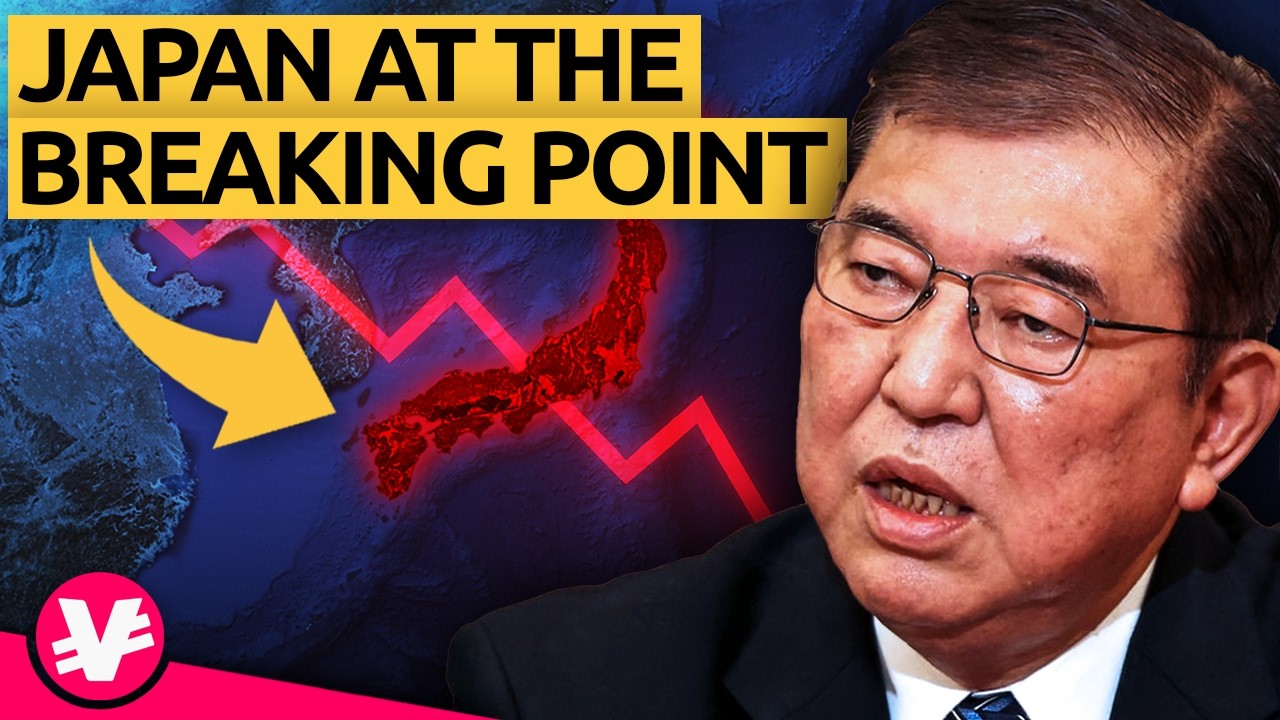
Despite these challenges, California's economy remains a global powerhouse. In 2024, it reclaimed its spot as the world's fourth-largest economy, boasting a GDP of $4.1 trillion—surpassing Japan. This scale highlights the state's diverse economic base, spanning technology, entertainment, agriculture, and manufacturing. High per capita income, especially in tech hubs like the Bay Area, reflects the prosperity generated by these industries.

Innovation is a key pillar of this resilience. Silicon Valley, despite recent layoffs, continues to lead globally in technology, driving advancements in artificial intelligence, renewable energy, and more. The entertainment industry in Los Angeles remains a cultural and economic juggernaut, while the Central Valley's agricultural output anchors the state's role as a food supplier. These sectors not only create wealth but also attract global talent, sustaining California's economic vitality.

Recovery efforts also underscore this strength. After losing 25% of the nation's jobs during the COVID-19 pandemic, California has regained 83.6% of those losses by early 2025, outpacing many states. Health care and education sectors have seen robust job growth, while the tech industry continues to draw investment. This adaptability highlights a diverse economy capable of rebounding from setbacks.

Looking Ahead
California's leadership in addressing long-term challenges further bolsters its economic outlook. Investments in renewable energy and green technologies position the state as a pioneer in sustainability, creating new industries and jobs. Policies aimed at reducing inequality—like raising the minimum wage and expanding health care access—seek to build a more inclusive economy, tackling structural issues like poverty and housing affordability head-on.

Conclusion
While high unemployment, budget deficits, and outmigration present real hurdles, they do not define California's economic reality. The state's size, diversity, and innovation ensure it remains a global leader. By navigating short-term difficulties with an eye on long-term opportunities, California's economy proves it is far from broken—rather, it is a dynamic force adapting to a complex world.


Featured


Marhabaan, welcome to the UAE and Dubai!

Marhabaan, welcome to the UAE and Dubai! The "skyward striving" Dubai next to ancient desert cities. Mysterious Bedouins and magnificent mosques exist peacefully alongside futuristic cities. Discover wadis and oases, golden sandy deserts, paradisiacal beaches and Arabian hospitality. The modern and the ancient Orient united in a book for dreaming.On this journey to Dubai and Abu Dhabi in the United Arab Emirates, the fairy tales of 1001 Arabian Nights meet the modern Arab world. These cascading cities enchant with their sky-high skyscrapers, fragrant souks, huge shopping centres and the ancient cultural heritage of the sheikhs.You can choose to stay in 4- or 5-star hotels with breakfast and swimming pools. You also have more options to book excursions so you can feel the magic of the East even more. If you want to do something out of the ordinary, you can spend an extra night in an enchanting hotel in the middle of the emirate's desert. Experience your own fairytale from 1001 nights and look forward to a holiday with plenty of casual extravagance in two superlative desert cities!

Trade and business at the Dubai Gold Souk

If Naif Deira is associated with a specific context, organization, or field, providing more details could help me offer more relevant information. Keep in mind that privacy considerations and ethical guidelines limit the amount of information available about private individuals, especially those who are not public figures. The Dubai Gold Souk is one of the most famous gold markets in the world and is located in the heart of Dubai's commercial business district in Deira. It's a traditional market where you can find a wide variety of gold, silver, and precious stone jewelry. The Gold Souk is known for its extensive selection of jewelry, including rings, bracelets, necklaces, and earrings, often crafted with intricate designs.Variety: The Gold Souk offers a vast array of jewelry designs, with a focus on gold. You can find items ranging from traditional to modern styles.Competitive Pricing: The market is known for its competitive pricing, and bargaining is a common practice. Prices are typically based on the weight of the gold and the craftsmanship involved.Gold and More: While gold is the primary focus, the souk also offers other precious metals such as silver and platinum, as well as a selection of gemstones.Cultural Experience: Visiting the Gold Souk provides not only a shopping experience but also a glimpse into the traditional trading culture of Dubai. The vibrant market is a popular destination for both tourists and locals.Security: The market is generally safe, and there are numerous shops with security measures in place. However, as with any crowded area, it's advisable to take standard precautions regarding personal belongings.Gold Souk is just one part of the larger Deira Souk complex, which also includes the Spice Souk and the Textile Souk. It's a must-visit for those interested in jewelry, and it reflects the rich cultural and trading history of Dubai.

Dubai: Amazing City Center, Night Walking Tour

During this excursion, we leisurely explore Dubai Downtown and Burj Khalifa in the evening, giving you the chance to witness the captivating transformation of the district as it comes alive with the vibrant glow of thousands of lights. As the sun sets, the illuminated facade of Burj Khalifa and the enchanting Dubai Fountain collaborate to produce a genuinely magical atmosphere.Dubai Downtown, also known as Downtown Dubai, is a distinguished and iconic district situated in the heart of Dubai, United Arab Emirates. It is a renowned neighborhood celebrated for its striking architecture, luxurious living, and exceptional entertainment options. At the core of Downtown Dubai stands the Burj Khalifa, a towering skyscraper that holds the title of the world's tallest man-made structure and serves as an emblem of modern Dubai.Burj Khalifa: The focal point of Downtown Dubai, Burj Khalifa, is famous for its groundbreaking height, reaching an impressive 828 meters (2,722 feet). Designed by architect Adrian Smith, its distinctive Y-shaped design encompasses a mix of residential, commercial, and hotel spaces.Dubai Mall: Adjacent to Burj Khalifa is the Dubai Mall, one of the largest shopping malls globally, featuring an extensive array of retail outlets, from high-end boutiques to international brands. The mall also provides various dining options, and entertainment attractions like an indoor ice rink and an aquarium, and hosts the mesmerizing Dubai Fountain.Dubai Fountain: Located just outside the Dubai Mall, the Dubai Fountain is a captivating attraction that presents a nightly spectacle of water, music, and light, captivating visitors with its perfectly synchronized performances.Emaar Boulevard: Stretching through Downtown Dubai, this boulevard is adorned with restaurants, cafes, and shops, making it a popular spot for leisurely strolls, dining, and people-watching.Luxury Living: Downtown Dubai boasts numerous upscale residential buildings and hotels, making it an appealing locale for those seeking a sophisticated urban lifestyle.Cultural Attractions: The Dubai Opera, an iconic cultural venue within the district, hosts a diverse range of performances, including opera, ballet, concerts, and theater productions.Transportation: Downtown Dubai is well-connected through public transportation, including the Dubai Metro, facilitating easy access to other parts of the city.In summary, Downtown Dubai is a dynamic and vibrant district that stands as a testament to Dubai's modernity and grandeur. It seamlessly combines architectural wonders with shopping, entertainment, and cultural offerings, creating a truly extraordinary destination.