Dubai Telegraph - Trump’s 50% tariffs on europe

EUR -
AED 4.353757
AFN 77.647339
ALL 96.816526
AMD 444.093194
ANG 2.122142
AOA 1087.105182
ARS 1700.605439
AUD 1.715346
AWG 2.135681
AZN 2.010406
BAM 1.960184
BBD 2.369299
BDT 143.90183
BGN 1.990896
BHD 0.443492
BIF 3483.991786
BMD 1.185501
BND 1.504665
BOB 8.129181
BRL 6.271778
BSD 1.176331
BTN 107.9835
BWP 16.317493
BYN 3.330248
BYR 23235.82585
BZD 2.365891
CAD 1.624273
CDF 2584.392637
CHF 0.92264
CLF 0.026137
CLP 1032.026557
CNY 8.267218
CNH 8.238345
COP 4239.080507
CRC 582.202068
CUC 1.185501
CUP 31.415785
CVE 110.512155
CZK 24.258736
DJF 209.488511
DKK 7.468018
DOP 74.115756
DZD 153.532368
EGP 55.726403
ERN 17.78252
ETB 183.241611
FJD 2.667736
FKP 0.868953
GBP 0.868149
GEL 3.188923
GGP 0.868953
GHS 12.822677
GIP 0.868953
GMD 86.542115
GNF 10304.044519
GTQ 9.029193
GYD 246.120437
HKD 9.241149
HNL 31.030398
HRK 7.53113
HTG 154.285051
HUF 381.965561
IDR 19889.689102
ILS 3.716369
IMP 0.868953
INR 108.583603
IQD 1541.146703
IRR 49939.243244
ISK 146.137342
JEP 0.868953
JMD 185.174133
JOD 0.84055
JPY 183.775821
KES 151.629111
KGS 103.671622
KHR 4734.588689
KMF 497.910388
KPW 1067.074972
KRW 1714.602459
KWD 0.363232
KYD 0.980393
KZT 592.194415
LAK 25421.854803
LBP 105344.898994
LKR 364.445065
LRD 217.626712
LSL 18.987164
LTL 3.500477
LVL 0.717098
LYD 7.484739
MAD 10.775399
MDL 20.021778
MGA 5321.902188
MKD 61.768142
MMK 2488.71842
MNT 4225.647764
MOP 9.448531
MRU 47.032185
MUR 54.426394
MVR 18.315543
MWK 2039.862057
MXN 20.575952
MYR 4.748522
MZN 75.765955
NAD 18.987164
NGN 1684.668781
NIO 43.286809
NOK 11.552195
NPR 172.7734
NZD 1.989283
OMR 0.455368
PAB 1.176431
PEN 3.946526
PGK 5.031252
PHP 69.905472
PKR 329.151432
PLN 4.208666
PYG 7866.593272
QAR 4.288892
RON 5.114261
RSD 117.663148
RUB 88.869469
RWF 1715.737167
SAR 4.444369
SBD 9.630551
SCR 16.897791
SDG 713.076765
SEK 10.566563
SGD 1.506938
SHP 0.889433
SLE 28.92056
SLL 24859.369037
SOS 671.100886
SRD 45.192464
STD 24537.483783
STN 24.554916
SVC 10.29302
SYP 13111.140624
SZL 18.982453
THB 37.011378
TJS 10.999199
TMT 4.149255
TND 3.424659
TOP 2.854402
TRY 51.443046
TTD 7.990871
TWD 37.207908
TZS 3011.535159
UAH 50.723741
UGX 4158.299845
USD 1.185501
UYU 44.549633
UZS 14277.931934
VES 417.611114
VND 31113.482114
VUV 141.672123
WST 3.266756
XAF 657.427306
XAG 0.011273
XAU 0.000235
XCD 3.203876
XCG 2.120142
XDR 0.817629
XOF 657.427306
XPF 119.331742
YER 282.505325
ZAR 19.056157
ZMK 10670.936322
ZMW 23.078614
ZWL 381.730941
  • RIO

    3.1300

    90.43

    +3.46%

  • BTI

    0.9400

    59.16

    +1.59%

  • BP

    1.1000

    36.53

    +3.01%

  • SCS

    0.0200

    16.14

    +0.12%

  • GSK

    0.5000

    49.15

    +1.02%

  • CMSC

    0.1000

    23.75

    +0.42%

  • NGG

    1.3200

    81.5

    +1.62%

  • CMSD

    0.0900

    24.13

    +0.37%

  • BCC

    -1.1800

    84.33

    -1.4%

  • BCE

    0.4900

    25.2

    +1.94%

  • AZN

    1.2600

    92.95

    +1.36%

  • JRI

    0.0100

    13.68

    +0.07%

  • RYCEF

    0.3000

    17.12

    +1.75%

  • RBGPF

    -0.8100

    83.23

    -0.97%

  • VOD

    0.2300

    14.17

    +1.62%

  • RELX

    0.0600

    39.9

    +0.15%


Trump’s 50% tariffs on europe


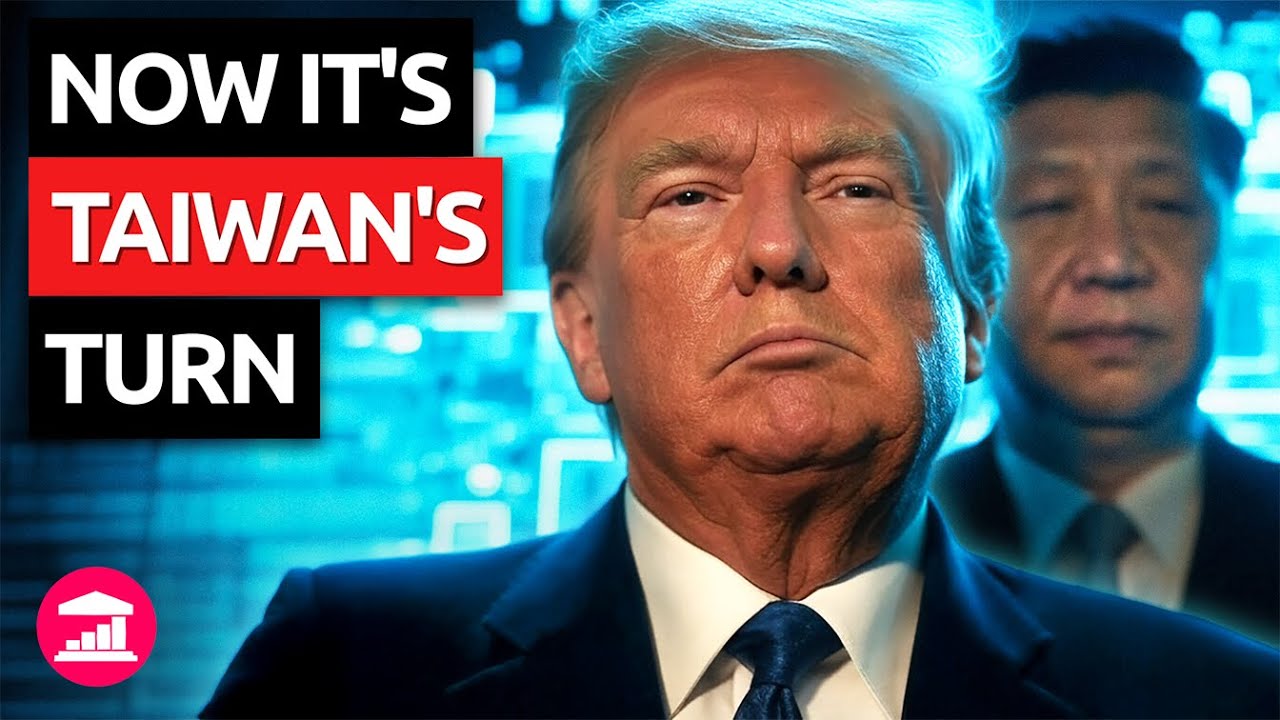
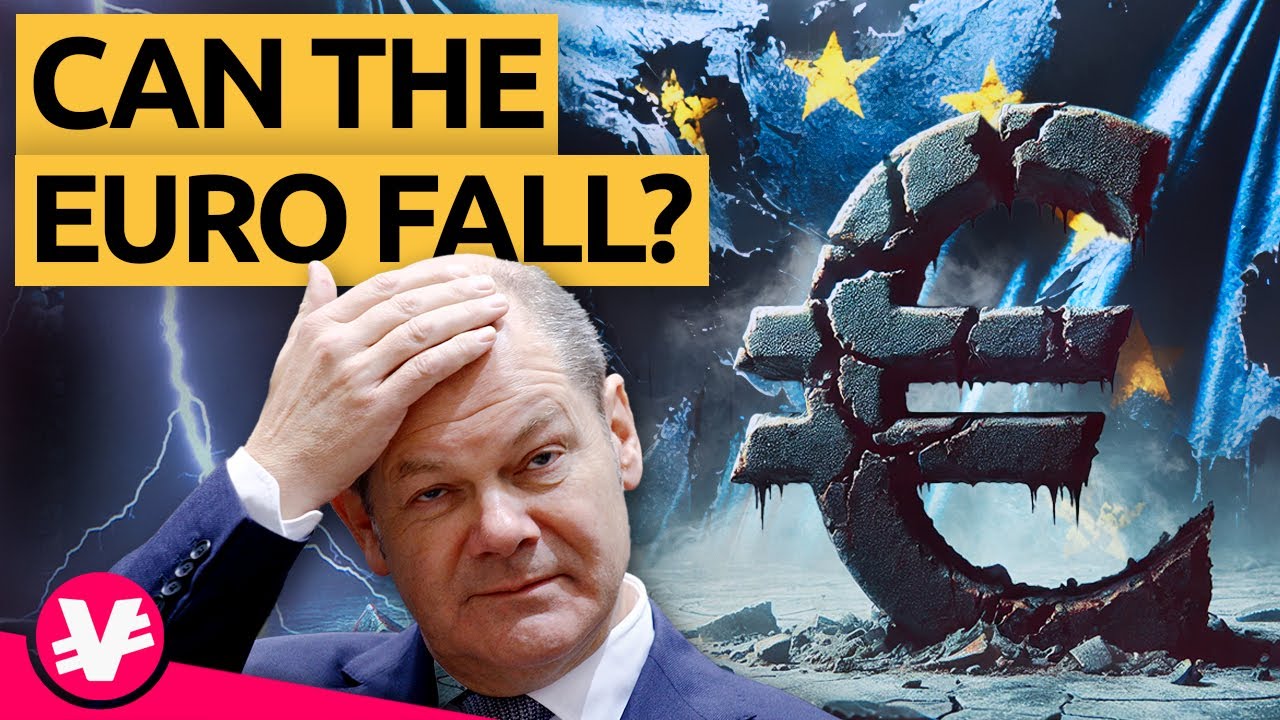
In a move that has sent shockwaves through global markets, U.S. President Donald Trump has threatened to impose 50% tariffs on imports from the European Union, initially set for June 1, 2025, but later delayed to July 9 to allow for negotiations. This aggressive trade policy has sparked intense debate about its motivations and potential consequences for the European economy, which relies heavily on exports to the United States. The proposed tariffs, described as a tool to reshape global trade dynamics, raise questions about the strategic intent behind such a drastic measure and its implications for transatlantic relations.

The European Union, a key trading partner of the United States, exported goods worth billions to the U.S. in 2024, with sectors like pharmaceuticals, automotive, and luxury goods leading the charge. A 50% tariff would significantly increase the cost of these goods, potentially reducing demand and squeezing profit margins for European companies. For instance, Germany’s automotive industry, including brands like BMW and Porsche, faces heightened risks, as does France’s luxury sector, which employs over 600,000 people. Italy’s high-end leather goods and the European aerospace sector, exemplified by companies like Airbus, could also face severe disruptions. The European Commission has estimated that such tariffs could shave 0.5% off the EU’s GDP, a substantial blow to an economy already grappling with global uncertainties.

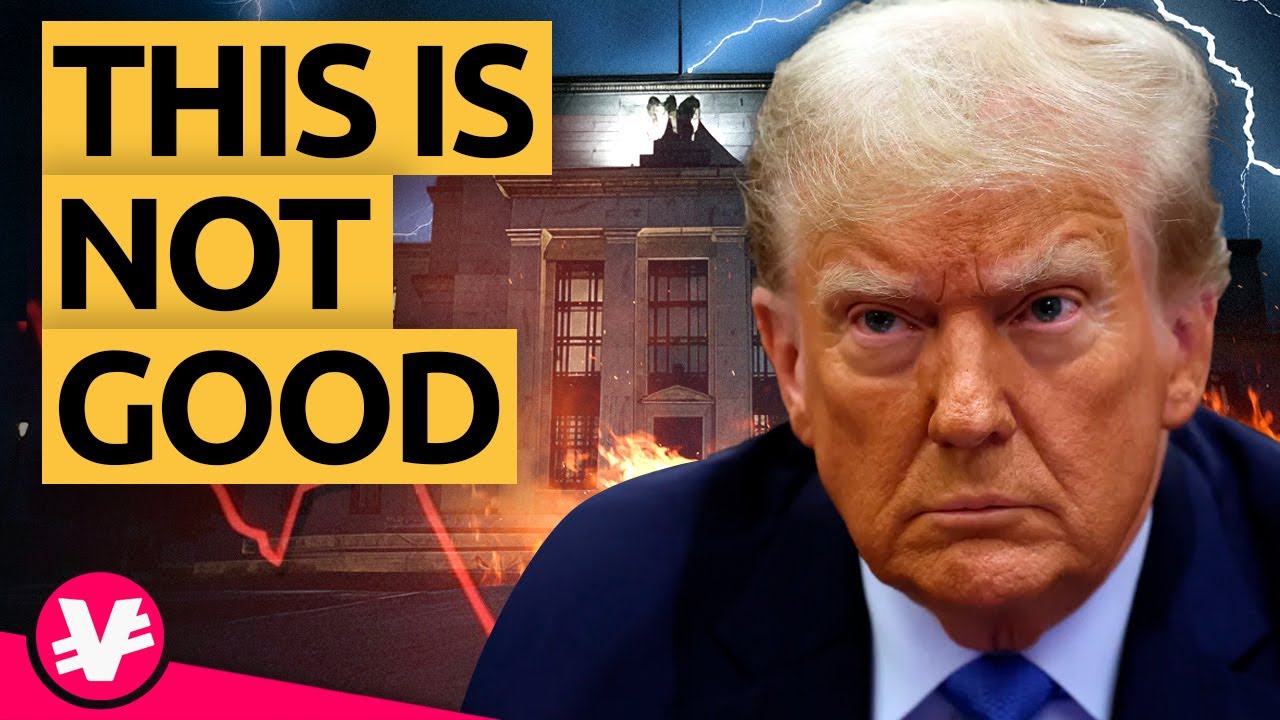
Trump’s rationale appears rooted in a long-standing belief that tariffs are a solution to perceived trade imbalances. He has publicly expressed frustration with the EU, accusing it of being “very difficult to deal with” and slow to negotiate. His administration argues that the EU benefits disproportionately from trade with the U.S., a claim that resonates with his domestic base but overlooks the mutual benefits of transatlantic commerce. The president’s strategy seems to leverage tariffs as a negotiating tactic, pressuring the EU to concede to terms more favourable to U.S. interests, such as increased purchases of American goods like soya beans, arms, and liquefied natural gas. The delay to July 9, following a phone call with European Commission President Ursula von der Leyen, suggests a willingness to negotiate, but the threat of tariffs remains a powerful bargaining chip.

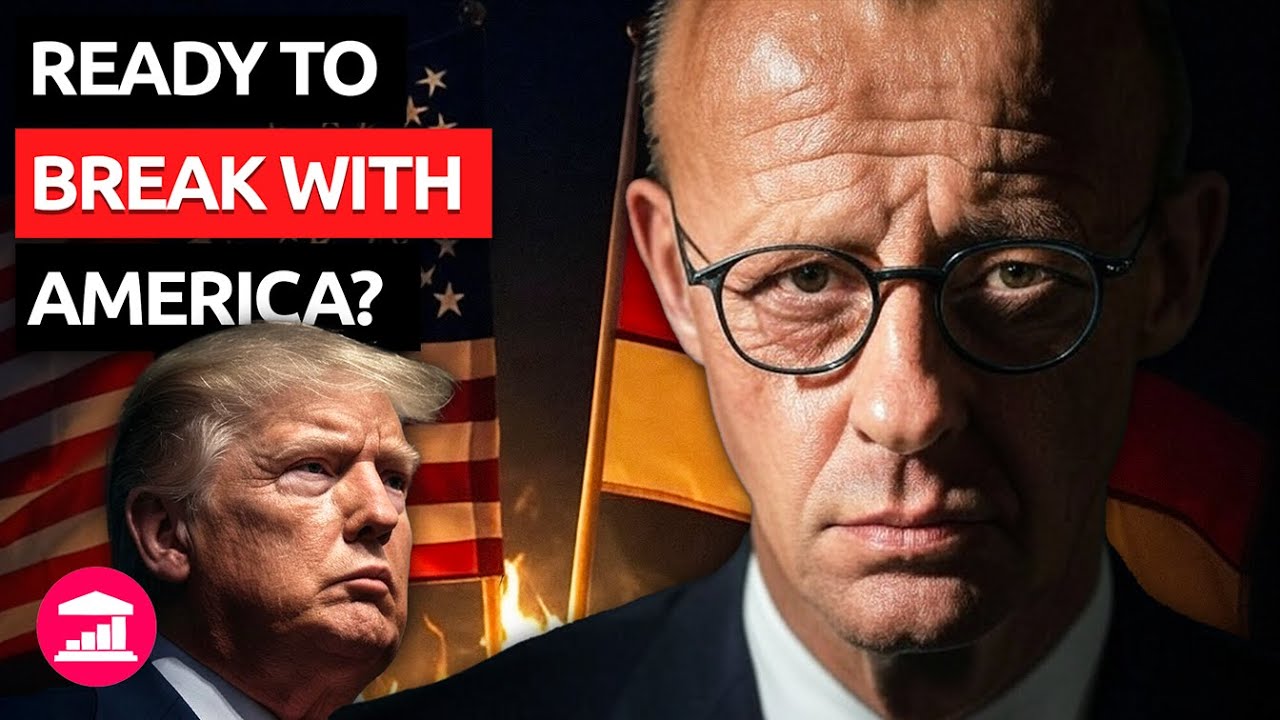
Critics argue that Trump’s approach is less about economic fairness and more about political posturing. By targeting the EU, he reinforces a narrative of protecting American jobs and manufacturing, a cornerstone of his economic agenda. His recent announcement to double steel tariffs to 50% and impose 25% tariffs on autos underscores this focus on domestic industry. However, the broader economic fallout could be severe. European officials, including Germany’s Lars Klingbeil, have warned that such a trade conflict harms both sides, endangering jobs and economic stability. The EU has signalled readiness to retaliate with counter-tariffs, potentially targeting U.S. products like Boeing aircraft, which could escalate tensions into a full-blown trade war.

The timing of the tariff threat adds to its disruptive potential. Europe’s economy, while showing resilience in some areas—Germany’s GDP grew unexpectedly in early 2025 due to strong exports—is not immune to external shocks. The uncertainty surrounding Trump’s tariffs has already rattled markets, with European stocks tumbling after the initial announcement before recovering slightly upon the delay. Companies like HP, which cited tariff-related costs as a factor in cutting earnings forecasts, illustrate the ripple effects on global supply chains. Small businesses and consumers, particularly in the U.S., could face higher prices, while European exporters risk losing market share if forced to absorb tariff costs.

Trump’s tariff strategy also faces legal challenges. A U.S. trade court recently ruled that his use of emergency powers to impose tariffs was unlawful, though an appeals court temporarily reinstated them. This legal uncertainty complicates the administration’s plans, yet Trump’s team has hinted at alternative mechanisms, such as invoking a 1930 trade law to bypass judicial rulings. These manoeuvres reflect a determination to press forward, regardless of opposition, aligning with Trump’s broader goal of reshaping the global economic order.

For the EU, the path forward involves balancing diplomacy with resolve. The European Commission, led by Ursula von der Leyen, has committed to fast-tracking trade talks, with negotiations set to intensify in the coming weeks. EU Trade Commissioner Maroš Šefčovič is expected to engage directly with U.S. counterparts, aiming for a deal that could reduce tariffs to zero on industrial goods. However, the EU remains firm in defending its interests, preparing countermeasures should talks falter. The bloc’s unity will be tested as member states like Italy, with leaders like Giorgia Meloni fostering ties with the White House, push for compromise, while others advocate a harder line.

The stakes are high for both sides. A failure to reach an agreement by July 9 could trigger a tariff regime that disrupts supply chains, inflates consumer prices, and erodes economic confidence. For Trump, the tariffs are a high-stakes gamble to assert U.S. dominance in global trade, but they risk alienating a key ally and destabilising an interconnected economy. For Europe, the challenge is to navigate this turbulent period without sacrificing its economic vitality or succumbing to pressure. As negotiations unfold, the world watches closely, aware that the outcome will shape the future of transatlantic trade and beyond.
Featured


Marhabaan, welcome to the UAE and Dubai!

Marhabaan, welcome to the UAE and Dubai! The "skyward striving" Dubai next to ancient desert cities. Mysterious Bedouins and magnificent mosques exist peacefully alongside futuristic cities. Discover wadis and oases, golden sandy deserts, paradisiacal beaches and Arabian hospitality. The modern and the ancient Orient united in a book for dreaming.On this journey to Dubai and Abu Dhabi in the United Arab Emirates, the fairy tales of 1001 Arabian Nights meet the modern Arab world. These cascading cities enchant with their sky-high skyscrapers, fragrant souks, huge shopping centres and the ancient cultural heritage of the sheikhs.You can choose to stay in 4- or 5-star hotels with breakfast and swimming pools. You also have more options to book excursions so you can feel the magic of the East even more. If you want to do something out of the ordinary, you can spend an extra night in an enchanting hotel in the middle of the emirate's desert. Experience your own fairytale from 1001 nights and look forward to a holiday with plenty of casual extravagance in two superlative desert cities!

Trade and business at the Dubai Gold Souk

If Naif Deira is associated with a specific context, organization, or field, providing more details could help me offer more relevant information. Keep in mind that privacy considerations and ethical guidelines limit the amount of information available about private individuals, especially those who are not public figures. The Dubai Gold Souk is one of the most famous gold markets in the world and is located in the heart of Dubai's commercial business district in Deira. It's a traditional market where you can find a wide variety of gold, silver, and precious stone jewelry. The Gold Souk is known for its extensive selection of jewelry, including rings, bracelets, necklaces, and earrings, often crafted with intricate designs.Variety: The Gold Souk offers a vast array of jewelry designs, with a focus on gold. You can find items ranging from traditional to modern styles.Competitive Pricing: The market is known for its competitive pricing, and bargaining is a common practice. Prices are typically based on the weight of the gold and the craftsmanship involved.Gold and More: While gold is the primary focus, the souk also offers other precious metals such as silver and platinum, as well as a selection of gemstones.Cultural Experience: Visiting the Gold Souk provides not only a shopping experience but also a glimpse into the traditional trading culture of Dubai. The vibrant market is a popular destination for both tourists and locals.Security: The market is generally safe, and there are numerous shops with security measures in place. However, as with any crowded area, it's advisable to take standard precautions regarding personal belongings.Gold Souk is just one part of the larger Deira Souk complex, which also includes the Spice Souk and the Textile Souk. It's a must-visit for those interested in jewelry, and it reflects the rich cultural and trading history of Dubai.

Dubai: Amazing City Center, Night Walking Tour

During this excursion, we leisurely explore Dubai Downtown and Burj Khalifa in the evening, giving you the chance to witness the captivating transformation of the district as it comes alive with the vibrant glow of thousands of lights. As the sun sets, the illuminated facade of Burj Khalifa and the enchanting Dubai Fountain collaborate to produce a genuinely magical atmosphere.Dubai Downtown, also known as Downtown Dubai, is a distinguished and iconic district situated in the heart of Dubai, United Arab Emirates. It is a renowned neighborhood celebrated for its striking architecture, luxurious living, and exceptional entertainment options. At the core of Downtown Dubai stands the Burj Khalifa, a towering skyscraper that holds the title of the world's tallest man-made structure and serves as an emblem of modern Dubai.Burj Khalifa: The focal point of Downtown Dubai, Burj Khalifa, is famous for its groundbreaking height, reaching an impressive 828 meters (2,722 feet). Designed by architect Adrian Smith, its distinctive Y-shaped design encompasses a mix of residential, commercial, and hotel spaces.Dubai Mall: Adjacent to Burj Khalifa is the Dubai Mall, one of the largest shopping malls globally, featuring an extensive array of retail outlets, from high-end boutiques to international brands. The mall also provides various dining options, and entertainment attractions like an indoor ice rink and an aquarium, and hosts the mesmerizing Dubai Fountain.Dubai Fountain: Located just outside the Dubai Mall, the Dubai Fountain is a captivating attraction that presents a nightly spectacle of water, music, and light, captivating visitors with its perfectly synchronized performances.Emaar Boulevard: Stretching through Downtown Dubai, this boulevard is adorned with restaurants, cafes, and shops, making it a popular spot for leisurely strolls, dining, and people-watching.Luxury Living: Downtown Dubai boasts numerous upscale residential buildings and hotels, making it an appealing locale for those seeking a sophisticated urban lifestyle.Cultural Attractions: The Dubai Opera, an iconic cultural venue within the district, hosts a diverse range of performances, including opera, ballet, concerts, and theater productions.Transportation: Downtown Dubai is well-connected through public transportation, including the Dubai Metro, facilitating easy access to other parts of the city.In summary, Downtown Dubai is a dynamic and vibrant district that stands as a testament to Dubai's modernity and grandeur. It seamlessly combines architectural wonders with shopping, entertainment, and cultural offerings, creating a truly extraordinary destination.