CMSD
-0.0800
The island nation of Cuba is facing its most severe economic crisis in decades. Recent months have seen a perfect storm of external pressure and internal fragility. The United States has tightened long‑standing sanctions and, through a combination of executive orders and diplomatic threats, has targeted the two pillars that have kept the Caribbean country afloat: imported oil and tourism. As fuel shortages deepen, blackouts become routine and visitors stay away, many Cubans are comparing the present hardship to the “Special Period” of the 1990s. This article examines how the latest U.S. measures are choking the Cuban government, the social and economic repercussions on the population, and the responses from Havana and the broader international community.
Washington’s New Offensive
In late January 2026, the U.S. president declared a national emergency regarding Cuba and signed a sweeping executive order that uses tariffs as a weapon against any country that supplies the island with oil. The order empowers the State and Commerce Departments to designate countries that provide fuel to Cuba and allows the White House to raise duties on unrelated imports from those nations. The U.S. administration claims the move is necessary because Havana allegedly supports hostile governments and armed groups, hosts foreign intelligence facilities and engages in human rights abuses. While the order has not yet been fully implemented, it has already sown uncertainty among Cuba’s remaining fuel suppliers, most notably Mexico and Russia.
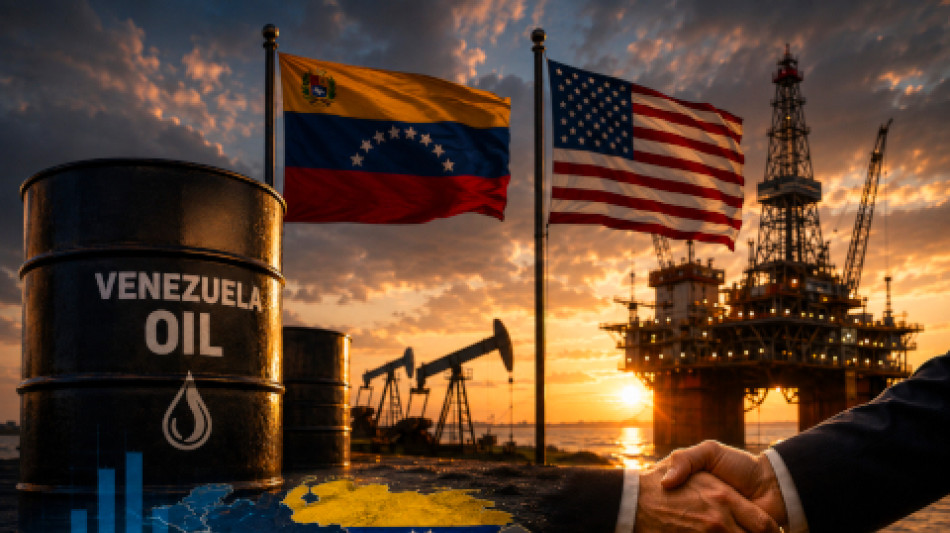
This tariff threat comes on the heels of a dramatic U.S. military operation. On 3 January 2026 elite U.S. forces captured Venezuelan President Nicolás Maduro and his wife and flew them to a U.S. naval vessel. Venezuela had been Cuba’s closest ally and its main oil supplier for two decades. The operation severed that lifeline overnight. Mexico, which filled the void by shipping nearly 20,000 barrels of oil per day in 2025, paused deliveries in late January as it weighed the risk of U.S. retaliation. With Venezuela offline and Mexico hesitant, Cuba now depends on small shipments from Russia and Algeria, leaving it with only a few weeks of fuel reserves.
Energy Shortages and Tourism Collapse
Fuel scarcity has transformed daily life across Cuba. Rolling blackouts lasting several hours have become common even in the capital, Havana. Public transportation is grinding to a halt as buses and shared taxis run out of diesel, forcing people to walk long distances or hitch rides. Businesses and hospitals struggle to operate without reliable electricity and fuel. The government produces only about 40 % of its energy domestically, making imported oil essential to power the grid, irrigate crops and keep factories running.
The fuel crisis has compounded an already steep decline in tourism, once a $3 billion annual industry for Cuba. Visitor numbers plunged from 4.8 million in 2018 to roughly 2.3 million between January and November 2025. Sanctions enacted over the past five years—including bans on cruise ships and restrictions on flights—had already deterred many travelers. The collapse of Venezuela’s oil shipments and the global pandemic worsened the situation, but the current blockade threatens to bring the sector to a standstill. Drivers of classic cars in Havana report that they now receive only one or two customers a day and have cut their prices by more than half to attract business. Sightseeing buses that once shuttled crowds around the capital now leave nearly empty.
People who make a living from tourism are among those suffering most. Street vendors of snacks such as chivirico—deep‑fried flour sprinkled with sugar—have seen sales plummet as visitor numbers drop and locals have less disposable income. Small businesses, including guesthouses and restaurants that mushroomed during Cuba’s brief tourism boom, are closing their doors. The exodus of tourists also means fewer euros and dollars in circulation, exacerbating the island’s currency shortages.
Humanitarian Alarm
International observers warn that the energy squeeze could lead to a humanitarian catastrophe. The secretary‑general of the United Nations urged all parties to seek dialogue and respect international law, warning that Cuba’s situation will “worsen if not collapse” if its fuel needs are not met. The UN noted that the General Assembly has repeatedly called for an end to the U.S. trade embargo and reminded Washington of its obligations under international law.
The U.S. government dismisses these warnings and says the humanitarian crisis is the result of Havana’s mismanagement rather than sanctions. Washington has announced an additional $6 million in aid to be delivered through the Catholic Church, bringing the total U.S. assistance since last year’s Hurricane Melissa to $9 million. Cuban officials deride the aid as hypocrisy, saying it is impossible to provide “soup & cans for a few” while denying the country access to fuel.
Cuba’s Response
Faced with dwindling oil supplies, Cuba has unveiled a sweeping rationing plan designed to protect essential services. Government ministers say fuel will be guaranteed for sectors such as agriculture, healthcare, water supply, education and defence. Tourism and export industries, including the famous cigar sector, will also receive priority to generate foreign currency. Domestic and international flights are expected to continue for now, though drivers will see restrictions at petrol stations until supplies normalise.
Officials have also announced plans to plant 200,000 hectares of rice and expand renewable energy and animal traction to offset the lack of fuel for irrigation and ploughing. Schools have been told to adopt a hybrid system combining in‑person and remote learning to save energy. The government’s message is resolute: “We are not going to collapse,” said Commerce Minister Oscar Perez‑Oliva.
President Miguel Díaz‑Canel has called for solidarity and resilience. In public remarks he compared the current crisis to the 1990s and urged Cubans to prepare for “further sacrifices”. He criticised Washington’s measures as “fascist, criminal and genocidal” and declared that the United States had hijacked its own citizens’ interests for personal gain. Cuba’s foreign minister described the U.S. actions as an “unusual and extraordinary threat” and announced that Havana was declaring an international emergency.
Public Mood
On the streets of Havana, the mood swings between anger and resignation. Some residents liken the situation to war and say the only thing missing is bombing. Many recall the Special Period following the collapse of the Soviet Union, when oxen replaced tractors and power cuts were the norm. Elderly Cubans who lived through that era say today’s shortages of fuel, food and medicine feel worse. Younger adults, who have never known anything but economic crisis, are nonetheless shocked by how quickly buses have disappeared and fuel lines have lengthened.
Workers in essential services worry about the impact on vulnerable populations. Parents wonder how to keep schools open without electricity; farmers ask how to till soil without fuel; hospital administrators scramble to secure diesel for generators. Some are already walking long distances to work or using bicycle taxis. A growing number of people say they feel trapped: they cannot afford to leave the country, yet staying means enduring increasingly harsh conditions.
Regional and Global Implications
The U.S. offensive against Cuba’s oil suppliers has unsettled relations across Latin America. Mexico, currently negotiating a trade agreement with Washington, is caught between its solidarity with Havana and the risk of damaging its own economy. Mexican officials say they are using all diplomatic channels to find a way to continue supplying oil without triggering U.S. tariffs. Russia has hinted that it will continue sending oil despite the sanctions, viewing the standoff as another front in its broader confrontation with the West. Analysts caution that the U.S. tariff framework could extend far beyond energy producers, disrupting supply chains for a wide range of goods.
For the Cuban government, the stakes are existential. Oil and tourism provide the foreign currency that allows the state to import food, medicine and spare parts. Without them, the economy could collapse and social unrest could intensify. U.S. officials hope that financial pain will force Havana to negotiate or trigger internal change, while Cuban leaders argue that the measures are a form of collective punishment designed to topple their system without regard for human suffering. The coming months will reveal whether Washington’s strategy succeeds in forcing concessions or whether it pushes Cuba to deepen ties with other powers.
Conclusion and Future
By targeting fuel supplies and tourism, the United States has opened a new chapter in its decades‑long confrontation with Cuba. The measures have already plunged the island into deeper crisis, leaving millions to grapple with blackouts, empty streets and an uncertain future. Whether the strategy will weaken the government in Havana or merely inflict greater hardship on ordinary Cubans remains to be seen. What is clear is that, in the absence of oil and visitors, the Cuban economy cannot function as it has for the past thirty years. As the world watches, Cuba must once again summon resilience and ingenuity to survive another period of scarcity.