Dubai Telegraph - Germany's Anti-Woke Tide

EUR -
AED 4.235625
AFN 74.96697
ALL 91.668629
AMD 418.234188
ANG 2.064893
AOA 1057.609283
ARS 1739.139679
AUD 1.619615
AWG 2.076005
AZN 1.964491
BAM 1.954065
BBD 2.322239
BDT 141.933395
BGN 1.941573
BHD 0.434714
BIF 3447.029854
BMD 1.153336
BND 1.465437
BOB 13.899662
BRL 5.927109
BSD 1.152977
BTN 110.11178
BWP 15.594158
BYN 3.507586
BYR 22605.389984
BZD 2.318942
CAD 1.604037
CDF 2664.20682
CHF 0.943815
CLF 0.027893
CLP 1101.355735
CNY 7.739461
CNH 7.743448
COP 3593.864873
CRC 519.339001
CUC 1.153336
CUP 30.56341
CVE 110.167208
CZK 24.294739
DJF 205.327738
DKK 7.475504
DOP 68.089559
DZD 154.097118
EGP 59.676614
ERN 17.300043
ETB 188.33632
FJD 2.551122
FKP 0.854772
GBP 0.855827
GEL 2.984628
GGP 0.854772
GHS 13.242245
GIP 0.854772
GMD 85.347238
GNF 10137.265189
GTQ 8.805298
GYD 241.225872
HKD 9.046574
HNL 30.94653
HRK 7.534513
HTG 150.700801
HUF 366.911968
IDR 20401.36446
ILS 3.517617
IMP 0.854772
INR 110.628585
IQD 1510.452676
IRR 1585347.139309
ISK 139.946199
JEP 0.854772
JMD 181.958482
JOD 0.817733
JPY 178.54566
KES 149.552586
KGS 100.859227
KHR 4674.992043
KMF 491.321937
KPW 1038.002968
KRW 1567.256691
KWD 0.356219
KYD 0.960847
KZT 516.161821
LAK 25796.1017
LBP 103705.537953
LKR 379.453173
LRD 201.200529
LSL 18.731273
LTL 3.405502
LVL 0.697642
LYD 7.316505
MAD 10.930897
MDL 20.074181
MGA 4974.584235
MKD 61.470435
MMK 2421.377926
MNT 4151.472139
MOP 9.315391
MRU 46.304897
MUR 54.310366
MVR 17.772398
MWK 1999.325269
MXN 19.801618
MYR 4.698345
MZN 73.69416
NAD 18.731273
NGN 1528.308661
NIO 42.433437
NOK 10.778088
NPR 176.179612
NZD 2.002474
OMR 0.443457
PAB 1.152977
PEN 3.875243
PGK 5.130535
PHP 72.58464
PKR 319.644363
PLN 4.343943
PYG 6934.844181
QAR 4.214459
RON 5.252063
RSD 117.371587
RUB 98.124331
RWF 1701.289824
SAR 4.327404
SBD 9.249179
SCR 15.91474
SDG 693.737485
SEK 11.279646
SGD 1.46777
SHP 0.854291
SLE 28.429871
SLL 24184.874578
SOS 658.915104
SRD 43.558022
STD 23871.731253
STN 24.478696
SVC 10.089044
SYP 14995.677873
SZL 18.717385
THB 38.41782
TJS 10.648002
TMT 4.036677
TND 3.374505
TOP 2.776957
TRY 56.098047
TTD 7.82905
TWD 36.787387
TZS 3053.455323
UAH 51.466015
UGX 4519.987765
USD 1.153336
UYU 46.438577
UZS 13570.894757
VES 970.167948
VND 29989.048488
VUV 136.194933
WST 3.150335
XAF 655.957
XAG 0.018281
XAU 0.000269
XCD 3.116949
XCG 2.078046
XDR 0.815469
XOF 655.957
XPF 119.331742
YER 272.792855
ZAR 18.819968
ZMK 10381.368659
ZMW 22.282221
ZWL 371.373793
SSP 6512.001368
MXV 2.245377
  • RBGPF

    1.9700

    69.99

    +2.81%

  • BCC

    -0.1900

    75.25

    -0.25%

  • CMSC

    -0.0300

    20.42

    -0.15%

  • RIO

    -2.3200

    97.64

    -2.38%

  • BCE

    0.0800

    23.47

    +0.34%

  • NGG

    -1.9000

    74.96

    -2.53%

  • GSK

    1.9200

    50.05

    +3.84%

  • JRI

    -0.0500

    11.96

    -0.42%

  • RELX

    1.9200

    35.72

    +5.38%

  • BTI

    2.0500

    57.29

    +3.58%

  • RYCEF

    -0.5000

    19.04

    -2.63%

  • VOD

    0.1300

    17.53

    +0.74%

  • BP

    -0.1700

    45.93

    -0.37%

  • AZN

    3.6100

    163.78

    +2.2%

  • CMSD

    -0.0800

    20.24

    -0.4%


Germany's Anti-Woke Tide


In recent years, Germany has witnessed a growing backlash against what many perceive as the excesses of progressive ideologies, often referred to as "woke" culture. This movement, which some describe as an "anti-woke revolution," is reshaping political, social, and cultural landscapes across the country. While Germany has long been seen as a bastion of liberal values, a rising tide of discontent has emerged, driven by concerns over immigration, free speech, gender identity, and the perceived overreach of progressive policies. This article explores the roots of this movement, its key figures, and its broader implications for German society.

The term "woke," originally rooted in awareness of social injustices, has increasingly been used by critics to describe a range of progressive stances on issues such as racial equality, gender identity, and climate activism. In Germany, as in other parts of Europe, these ideas have been embraced by left-leaning political parties, cultural institutions, and media outlets. However, a growing segment of the population now views these developments with scepticism, arguing that they threaten traditional values, free expression, and national identity.

Political Backlash
At the heart of this anti-woke sentiment is the Alternative for Germany (AfD), a right-wing populist party that has gained significant traction in recent years. The AfD has positioned itself as a staunch critic of progressive policies, particularly on immigration and gender issues. The party argues that Germany's open-door immigration policy, championed by former Chancellor Angela Merkel, has led to cultural and security challenges. Additionally, the AfD has vocally opposed what it calls "gender ideology," rejecting efforts to expand rights for transgender individuals and criticising policies that it claims undermine traditional family structures. While the AfD remains controversial, its rise reflects a broader dissatisfaction with the political establishment's handling of these issues.

Cultural and Intellectual Pushback
Beyond the political sphere, the anti-woke movement has found resonance in cultural and intellectual circles. Prominent public figures, including authors, academics, and media personalities, have spoken out against what they see as the stifling of free speech by progressive orthodoxy. They argue that debates on sensitive topics such as immigration or gender are often shut down by accusations of racism or transphobia, creating a climate of self-censorship. This concern over free expression has led to calls for a more open and robust public discourse, where dissenting views can be aired without fear of social or professional repercussions.

Immigration: A Central Issue
One of the most contentious issues fuelling the anti-woke movement is immigration. Germany, which accepted over a million migrants during the 2015 refugee crisis, has grappled with the social and economic consequences of this influx. Critics argue that the country's generous asylum policies have strained public services, increased crime rates, and eroded social cohesion. These concerns have been amplified by high-profile incidents of violence involving migrants, which have dominated headlines and stoked public fears. While supporters of immigration highlight the humanitarian and economic benefits, the anti-woke camp insists that the government has prioritised political correctness over pragmatic solutions.

Gender Identity Debates
Gender identity is another flashpoint in this cultural battle. Progressive policies, such as allowing individuals to change their legal gender without medical intervention, have been met with resistance from those who believe such measures undermine biological realities and erode women's rights. The AfD and other conservative voices have seized on this issue, framing it as part of a broader assault on traditional values. They argue that the push for gender inclusivity in schools and public institutions amounts to indoctrination, particularly when it comes to young children. This debate has spilled over into the education system, where parents and teachers have clashed over curriculum content and the role of schools in promoting social values.

Public Protests
The anti-woke movement has also found expression in public protests and demonstrations. In recent months, rallies against progressive policies have drawn large crowds, particularly in eastern Germany, where support for the AfD is strongest. These protests often focus on issues such as immigration, climate policies, and perceived government overreach. While the demonstrations have been largely peaceful, they have occasionally been marred by clashes with counter-protesters, highlighting the deepening divisions within German society.

Challenges and Opposition
Despite its growing influence, the anti-woke movement faces significant challenges. Mainstream political parties, including the Christian Democratic Union (CDU) and the Social Democratic Party (SPD), have largely distanced themselves from the AfD and its rhetoric. They argue that the party's positions are extreme and incompatible with Germany's democratic values. Additionally, many Germans remain committed to progressive ideals, viewing the anti-woke movement as a regressive force that threatens social progress. This divide has created a polarised political landscape, with little room for compromise.

A European Context
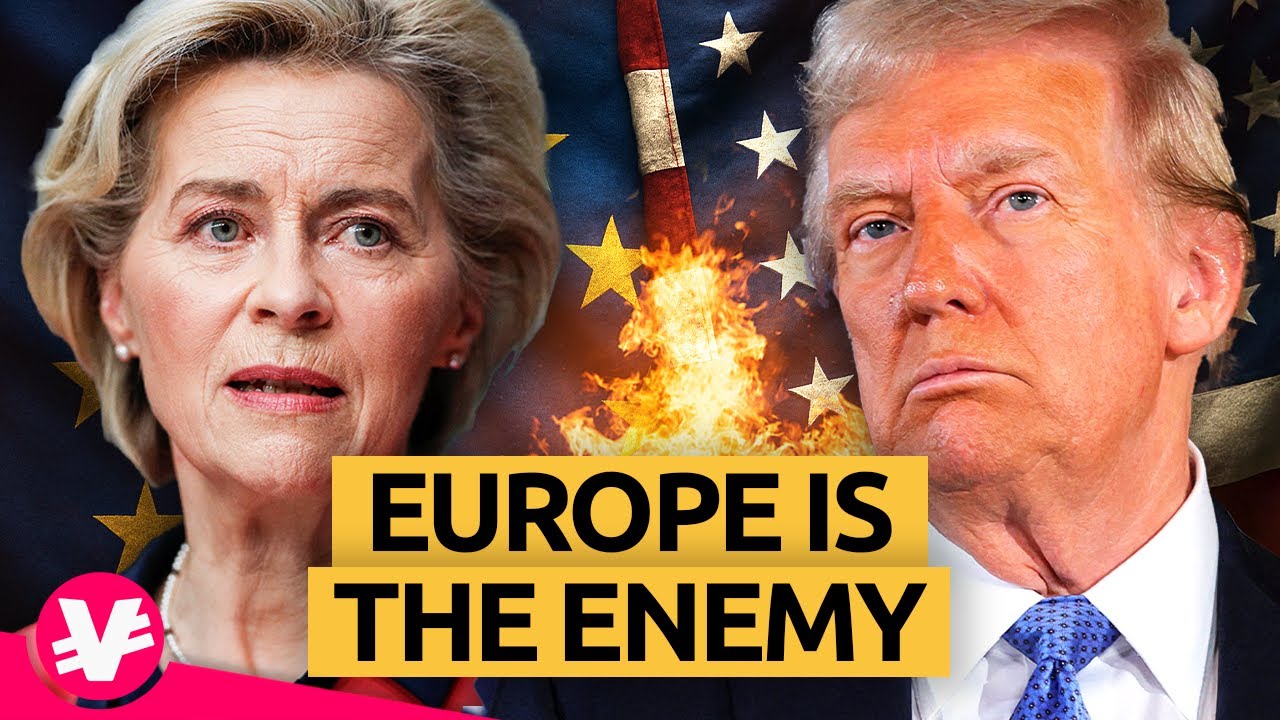
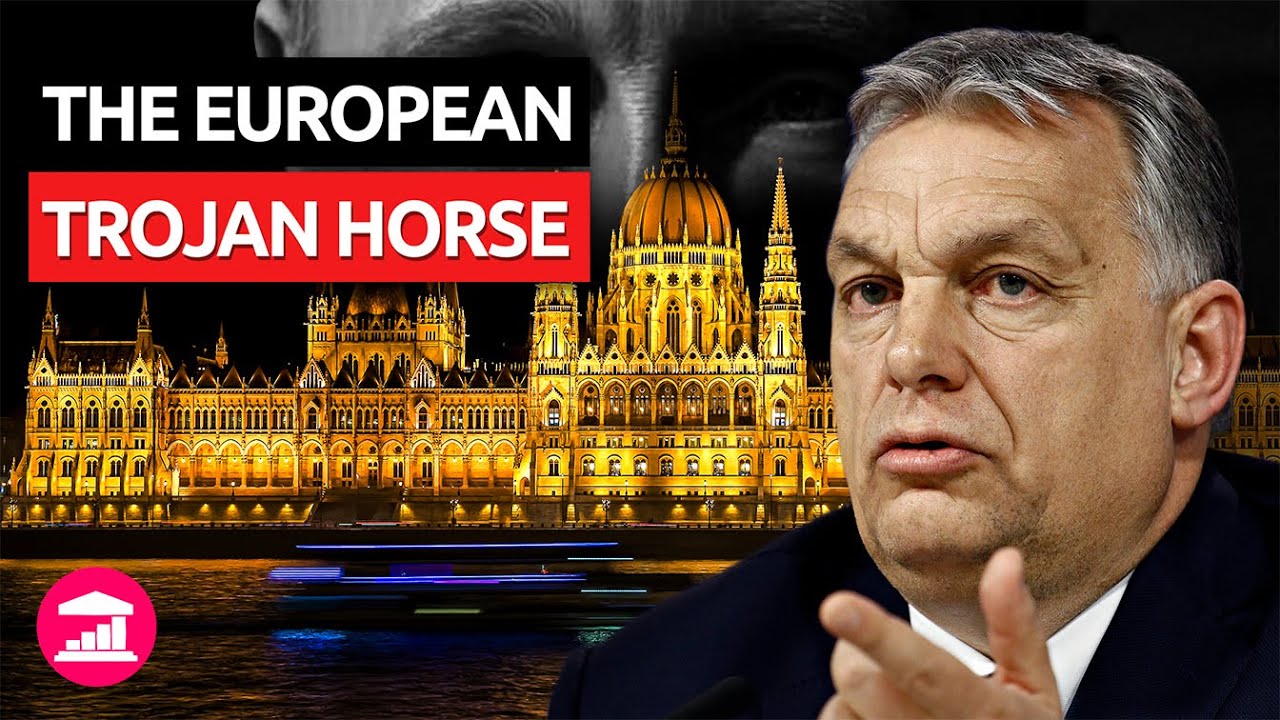
The rise of anti-woke sentiment in Germany is not occurring in isolation. Across Europe, similar movements have gained momentum, from France's Marine Le Pen to Hungary's Viktor Orbán. These leaders have tapped into widespread frustration with globalisation, immigration, and cultural change, positioning themselves as defenders of national sovereignty and traditional values. In Germany, the anti-woke movement is part of this broader trend, reflecting a desire to push back against what many see as the excesses of progressive politics.

Looking Ahead
As Germany heads towards its next federal election, the anti-woke movement is likely to play a significant role in shaping the political debate. The AfD, despite its internal divisions and controversies, remains a potent force, particularly in regions where economic and social challenges are most acute. Whether the party can translate its anti-woke rhetoric into electoral success remains to be seen, but its influence on the national conversation is undeniable.

In conclusion, Germany's anti-woke revolution is a complex and multifaceted phenomenon, driven by a combination of political, social, and cultural factors. While it has undoubtedly tapped into genuine concerns about immigration, free speech, and national identity, it has also raised questions about the future of Germany's liberal democracy. As the country navigates these turbulent waters, the challenge will be to find a balance between addressing legitimate grievances and upholding the values of tolerance and inclusivity that have long defined German society.

Featured


Marhabaan, welcome to the UAE and Dubai!

Marhabaan, welcome to the UAE and Dubai! The "skyward striving" Dubai next to ancient desert cities. Mysterious Bedouins and magnificent mosques exist peacefully alongside futuristic cities. Discover wadis and oases, golden sandy deserts, paradisiacal beaches and Arabian hospitality. The modern and the ancient Orient united in a book for dreaming.On this journey to Dubai and Abu Dhabi in the United Arab Emirates, the fairy tales of 1001 Arabian Nights meet the modern Arab world. These cascading cities enchant with their sky-high skyscrapers, fragrant souks, huge shopping centres and the ancient cultural heritage of the sheikhs.You can choose to stay in 4- or 5-star hotels with breakfast and swimming pools. You also have more options to book excursions so you can feel the magic of the East even more. If you want to do something out of the ordinary, you can spend an extra night in an enchanting hotel in the middle of the emirate's desert. Experience your own fairytale from 1001 nights and look forward to a holiday with plenty of casual extravagance in two superlative desert cities!

Trade and business at the Dubai Gold Souk

If Naif Deira is associated with a specific context, organization, or field, providing more details could help me offer more relevant information. Keep in mind that privacy considerations and ethical guidelines limit the amount of information available about private individuals, especially those who are not public figures. The Dubai Gold Souk is one of the most famous gold markets in the world and is located in the heart of Dubai's commercial business district in Deira. It's a traditional market where you can find a wide variety of gold, silver, and precious stone jewelry. The Gold Souk is known for its extensive selection of jewelry, including rings, bracelets, necklaces, and earrings, often crafted with intricate designs.Variety: The Gold Souk offers a vast array of jewelry designs, with a focus on gold. You can find items ranging from traditional to modern styles.Competitive Pricing: The market is known for its competitive pricing, and bargaining is a common practice. Prices are typically based on the weight of the gold and the craftsmanship involved.Gold and More: While gold is the primary focus, the souk also offers other precious metals such as silver and platinum, as well as a selection of gemstones.Cultural Experience: Visiting the Gold Souk provides not only a shopping experience but also a glimpse into the traditional trading culture of Dubai. The vibrant market is a popular destination for both tourists and locals.Security: The market is generally safe, and there are numerous shops with security measures in place. However, as with any crowded area, it's advisable to take standard precautions regarding personal belongings.Gold Souk is just one part of the larger Deira Souk complex, which also includes the Spice Souk and the Textile Souk. It's a must-visit for those interested in jewelry, and it reflects the rich cultural and trading history of Dubai.

Dubai: Amazing City Center, Night Walking Tour

During this excursion, we leisurely explore Dubai Downtown and Burj Khalifa in the evening, giving you the chance to witness the captivating transformation of the district as it comes alive with the vibrant glow of thousands of lights. As the sun sets, the illuminated facade of Burj Khalifa and the enchanting Dubai Fountain collaborate to produce a genuinely magical atmosphere.Dubai Downtown, also known as Downtown Dubai, is a distinguished and iconic district situated in the heart of Dubai, United Arab Emirates. It is a renowned neighborhood celebrated for its striking architecture, luxurious living, and exceptional entertainment options. At the core of Downtown Dubai stands the Burj Khalifa, a towering skyscraper that holds the title of the world's tallest man-made structure and serves as an emblem of modern Dubai.Burj Khalifa: The focal point of Downtown Dubai, Burj Khalifa, is famous for its groundbreaking height, reaching an impressive 828 meters (2,722 feet). Designed by architect Adrian Smith, its distinctive Y-shaped design encompasses a mix of residential, commercial, and hotel spaces.Dubai Mall: Adjacent to Burj Khalifa is the Dubai Mall, one of the largest shopping malls globally, featuring an extensive array of retail outlets, from high-end boutiques to international brands. The mall also provides various dining options, and entertainment attractions like an indoor ice rink and an aquarium, and hosts the mesmerizing Dubai Fountain.Dubai Fountain: Located just outside the Dubai Mall, the Dubai Fountain is a captivating attraction that presents a nightly spectacle of water, music, and light, captivating visitors with its perfectly synchronized performances.Emaar Boulevard: Stretching through Downtown Dubai, this boulevard is adorned with restaurants, cafes, and shops, making it a popular spot for leisurely strolls, dining, and people-watching.Luxury Living: Downtown Dubai boasts numerous upscale residential buildings and hotels, making it an appealing locale for those seeking a sophisticated urban lifestyle.Cultural Attractions: The Dubai Opera, an iconic cultural venue within the district, hosts a diverse range of performances, including opera, ballet, concerts, and theater productions.Transportation: Downtown Dubai is well-connected through public transportation, including the Dubai Metro, facilitating easy access to other parts of the city.In summary, Downtown Dubai is a dynamic and vibrant district that stands as a testament to Dubai's modernity and grandeur. It seamlessly combines architectural wonders with shopping, entertainment, and cultural offerings, creating a truly extraordinary destination.