Indonesia weighs response to price pressures from Middle East war / Photo: BAY ISMOYO - AFP
Price pressures fuelled by the Middle East war may push Indonesia's government to reconsider its dogged defence of energy subsidies and a costly meals scheme close to the heart of President Prabowo Subianto, analysts say.
Unlike many of its neighbours, Southeast Asia's biggest economy has not seen long fuel queues as global oil prices have soared, nor have its citizens been subjected to pandemic-style work-from-home measures.
But that may change.
As Prabowo seeks to raise the economic growth rate from 5.1 percent last year to eight percent by 2029, powered by high public spending, Jakarta has limited options for offsetting the impact of rising oil prices, according to experts.
It can either cut fuel subsidies and risk political upheaval, slash spending on Prabowo's signature school meals programme, or overshoot the fiscal deficit that is capped by law at three percent of GDP.
"We are already in a critical situation," with fuel and natural gas supplies at about three weeks' worth -- the maximum storage capacity -- and a dearth of new suppliers to offset the Middle East blockage, said Yose Rizal Damuri, executive director of Indonesia's Centre for Strategic and International Studies.
He said the government may have no choice but to cut its fuel subsidy, which covers about 30 to 40 percent of the cost for consumers and represents around 15 percent of the budget.
"The government can also consider making fiscal space by reducing... the free meal programme," Yose told AFP.
The scheme, which consumes nearly a tenth of the annual budget, aims to feed millions of Indonesian schoolchildren and pregnant women in a bid to reduce stunting and boost the nation's human capital, but has been criticised for logistical inefficiencies and food safety concerns.
The meals programme was Prabowo's most popular campaign promise, and he has repeatedly vowed to keep it in place.
Yose said the government could save as much as 100 trillion rupiah ($5.9 billion) by restricting the scheme to areas of the country where it is needed most.
- Sharing the burden -
Indonesia, which produces about half the oil it consumes, heavily subsidises fuel, electricity and natural gas consumed domestically.
According to Capital Economics, a London-based consultancy, the government allocated 381 trillion rupiah to energy subsidies for 2026, about 1.5 percent of GDP.
The figure was premised on oil costing $70 per barrel (pb), but prices have topped $100 pb since Israel and the United States attacked Iran last month, plunging the Middle East into war.
Finance Minister Purbaya Yudhi Sadewa has said an oil price of $92 pb would see Indonesia's deficit rise to 3.6 percent of GDP.
"If the budget really can't handle it anymore, then there's no other way than sharing the burden with the public to some extent," he told reporters.
Past fuel price rises have led to riots.
Yose said fuel price cuts were more likely than any decision in the near term to raise the fiscal deficit, which would require a change to the law or a presidential decree.
Bloomberg reported on Monday that the Jakarta Composite Index of share values dropped to an eight-month low over concerns the cap would be raised if oil prices stay high.
But Capital Economics said a breach of the deficit cap "should create little concern" about Indonesia's immediate fiscal health.
"Government debt is low, at around 40 percent of GDP," it said in a statement.
- 'Proactive measures' -
Last Friday, Prabowo took stock of the economic situation with his cabinet, stating: "We must now also take proactive measures, meaning we must conserve fuel."
"If some civil servants and officials do not need to come to the office, it would reduce traffic congestion and generate substantial savings," said the president.
"We must also consider cutting working days."
The Fitch ratings agency this month downgraded Indonesia's credit outlook to negative, citing "rising policy uncertainty".
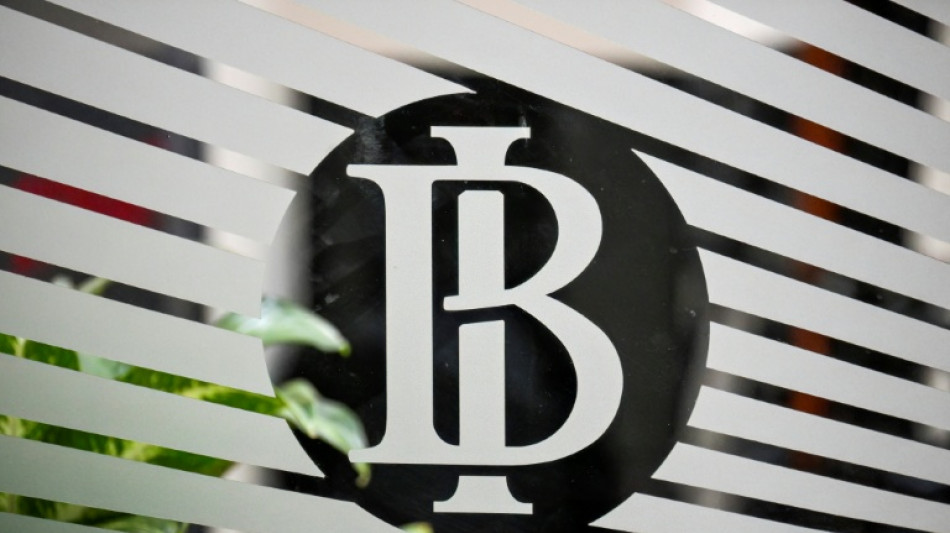
The central bank insists growth prospects remain "solid" and says the country has sufficient foreign currency reserves.
Y.Sharma--DT