ECB sits tight as inflation pressure rises
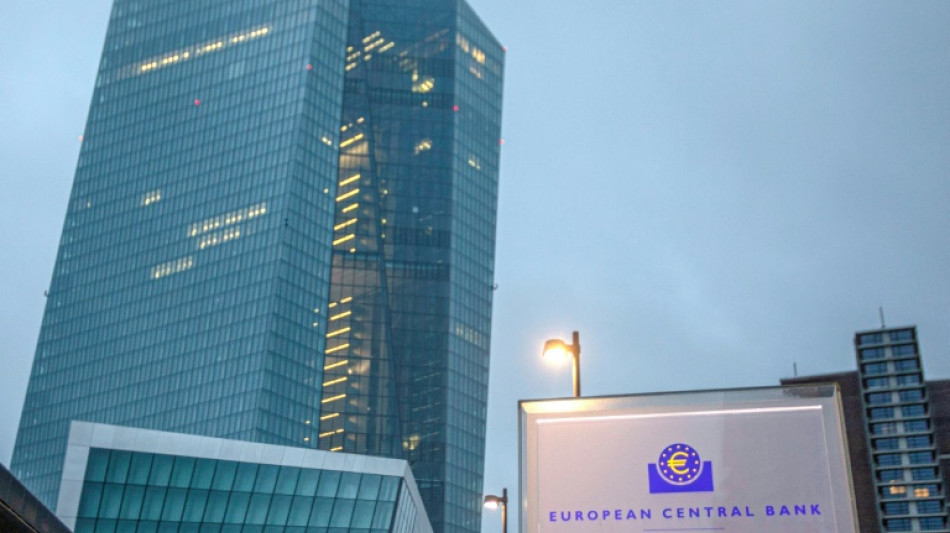
The European Central Bank stuck to its ultra-loose monetary policy on Thursday, despite record inflation in the eurozone putting the Frankfurt-based institution under mounting pressure.
The inflation rate unexpectedly rose to 5.1 percent in the euro area in January, official data showed Wednesday.
The figure is an all-time high since records for the currency club began in 1997, 0.1 points higher than the figure for December and well above the ECB's two-percent target.
The steep rise in prices seen globally has induced other central banks to act, with the Bank of England announcing it would raise its main rate by a quarter point to 0.5 percent at a meeting on Thursday.
The US Federal Reserve is widely expected to follow suit soon after signalling multiple rate hikes this year.
But ECB policymakers left its rates at record lows, including a negative deposit rate that charges financial institutions to park their cash with the central bank overnight.
While the decision to stand pat was expected, the pressure on the ECB to tighten policy would grow "in the course of the year", said Fritzi Koehler-Geib, chief economist at the German public lender KfW.
Observers will be scouring ECB chief Christine Lagarde's planned remarks later Thursday for any indication of a change in thinking within the central bank.
The former French finance minister has increasingly acknowledged the risk that inflation could be higher than the ECB expects but has so far said any rate hikes this year were "very unlikely".
- Gas peak -
The ECB must tread a fine line between the "falling necessity to continue stimulating the economy and actually bringing higher inflation down", said Carsten Brzeski, head of macro at the ING bank.
The eurozone economy reached its pre-coronavirus pandemic level in the fourth quarter of 2021, but tightening too quickly could threaten to derail the recovery.
The surge in inflation in Europe has been driven by a range of factors, but mostly on the supply side rather than the demand side, where the ECB has fewer levers to effect change.
Widespread shortages of raw materials and key components -- everything from wood to semiconductors -- have weighed on production and added to the upward pressure on prices.
In addition, energy prices have spiked, hitting multi-year highs towards the end of last year.
In Europe, the market has become captive to rising tensions between Moscow and the West over the massing of Russian troops on the border with Ukraine.
Any escalation in the conflict could cause prices to shoot up further.
- Second round -
While tightening monetary policy could do little to bring gas prices down or avoid a conflict in Ukraine, the ECB would be keeping a close eye on "second-round effects", ECB executive board member Isabel Schnabel told the German daily Sueddeutsche Zeitung in January.
Higher energy prices could mean goods and services "become more expensive and wages would start rising", she said.
On the other side of the Atlantic, wage increases have been more visible, contributing to driving US inflation to as high as seven percent in December.
That and the comparatively lower importance of energy prices have encouraged the Federal Reserve to take tough action.
The ECB's more cautious response is predicated on its forecasts that see inflation dropping below the central bank's two-percent goal in 2023 and 2024 and a promise to end stimulus bond purchases before hiking rates.
At its last meeting in December, the ECB announced a "step-by-step" reduction in its pandemic emergency bond-buying programme.
It will not update its growth and inflation projections until its next meeting in March.
Y.Sharma--DT