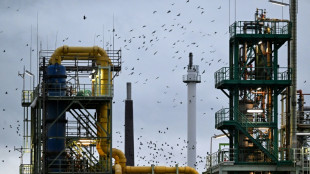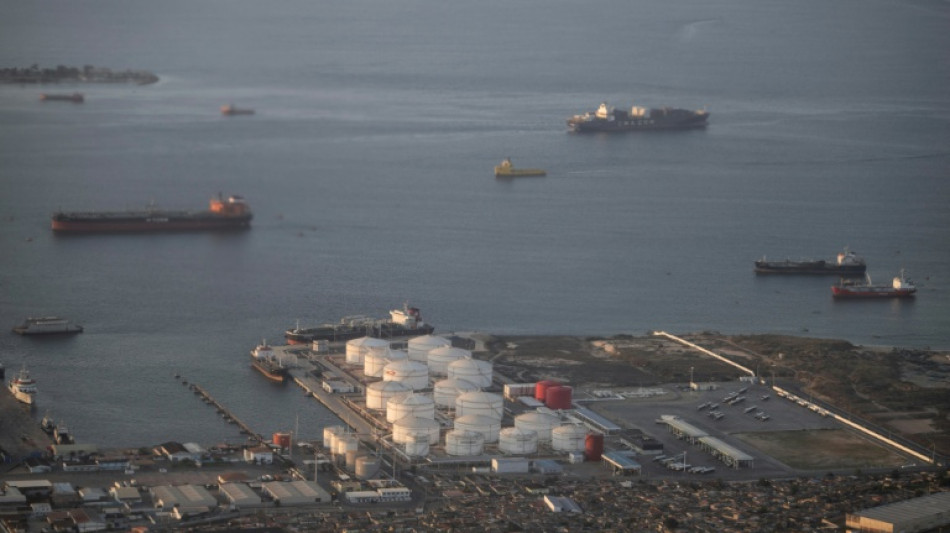
Oil under $65 a boon for consumers, but a burden on producers / Photo: ANDREW CABALLERO-REYNOLDS - AFP
US President Donald Trump's tariffs, his call to "drill baby drill" and especially a decision by OPEC+ to hike crude output quotas have oil prices trading at lows not seen since the Covid pandemic.
That is good news for consumers but not so much for producers, analysts say.
A barrel of Brent North Sea crude, the international benchmark, stands below $65, a far cry from the more than the $120 reached in 2022 following the invasion of Ukraine by major oil producer Russia.
- Lower inflation -
The fall in oil prices has contributed to a global slowdown for inflation, while also boosting growth in countries reliant on importing crude, such as much of Europe.
The US consumer price index, for example, was down 11.8 percent year-on-year in April.
Cheaper crude "increases the level of disposable income" consumers have to be spending on "discretionary items" such as leisure and tourism, said Pushpin Singh, an economist at British research group Cebr.
The price of Brent has fallen by more than $10 compared with a year ago, reducing the cost of various fuel types derived directly from oil.
This is helping to push down transportation and manufacturing costs that may, in the medium term, help further cut prices of consumer goods, Singh told AFP.
But he noted that while the drop in crude prices is partly a consequence of Trump's trade policies, the net effect on inflation remains difficult to predict amid threatened surges to other input costs, such as metals.
At the same time, "cheaper oil can make renewable energy sources less competitive, potentially slowing investment in green technologies", Singh added.
- Oil producers -
As prices retreat however the undisputed losers are oil-producing countries, "especially high-cost producers who at current and lower prices are forced to scale back production in the coming months", said Ole Hansen, head of commodity strategy at Saxo Bank.
Oil trading close to or below $60 "will obviously not be great for shale producers" either, said Rystad Energy analyst Jorge Leon.
"Having lower oil prices is going to be the detriment to their development," he told AFP.
Some companies extracting oil and natural gas from shale rock have already announced reduced investment in the Permian Basin, located between Texas and New Mexico.
For the OPEC+ oil alliance, led by Saudi Arabia and Russia, tolerance for low prices varies greatly.
Saudi Arabia, the United Arab Emirates and Kuwait have monetary reserves allowing them to easily borrow to finance diversified economic projects, Leon said.
Hansen forecast that "the long-term winners are likely to be major OPEC+ producers, especially in the Middle East, as they reclaim market shares that were lost since 2022 when they embarked on voluntary production cuts".
The 22-nation group began a series of cuts in 2022 to prop up crude prices, but Saudi Arabia, Russia and six other members surprised markets recently by sharply raising output.
On Saturday, the countries announced a huge increase in crude production for July with an additional 411,000 barrels a day.
Analysts say the hikes have likely been aimed at punishing OPEC members that have failed to meet their quotas, but it also follows pressure from Trump to lower prices.
That is directly impacting the likes of Iran and Venezuela, whose economies depend heavily on oil revenues.
A lower-price environment also hurts Nigeria, which like other OPEC+ members possesses a more limited ability to borrow funds, according to experts.
Bit non-OPEC member Guyana, whose GDP growth has surged in recent years thanks to the discovery of oil, risks seeing its economy slow.
T.Jamil--DT