'Throwaway economy' thwarting climate goals: report
Countries are neglecting the massive impact of the "throwaway" economy on planet-warming emissions, according to research published Wednesday that calculated more than half a trillion tonnes of virgin materials have been consumed since the 2015 Paris climate deal.
From clothing to food, planes to buildings, research by the organisation Circle Economy estimates that 70 percent of greenhouse gas emissions are linked to the manufacturing and use of products.
But in its annual report on the state of the world's use of materials, researchers said national climate pledges to reduce emissions focus narrowly on fossil fuel use and ignore the mounting global appetite for stuff.
Matthew Fraser, head of research at Circle Economy, said the report aimed to look beyond just fossil fuel use and the transition to green energy and ask about the emissions implications of using fewer resources.
"What if we reimagine our relationship with stuff, what would that bring us? Actually, it is quite significant," he told AFP.
The report estimates that if the economy were more circular, reducing resource extraction and consumption by 28 percent, then the world could meet the Paris warming target of 1.5 degrees Celsius above pre-industrial levels.
But only a third of nations' climate pledges mention the circular economy as part of their emissions goals, the report said.
It warns that humanity is consuming 70 percent more virgin materials than the world can safely replenish.
- Economic 'metabolism' -
The analysis looks at global material flows based on national import and export figures and translates them into estimates of materials used -- and reused.
It calculates annual resource use has grown from 89.8 billion tonnes in 2016 to more than 100 billion tonnes in 2019 and estimated it at 101.4 billion last year.
Circle Economy found that almost all of the materials extracted go to waste, with just 8.6 percent of materials recycled in 2020, what they call the circularity gap.
That is an even lower proportion than in 2018, when reused materials were 9.1 percent of the total, as the global demand for more things surges.
"Even though we are getting more efficient with how we use materials -- computers are getting smaller, cars are becoming lighter, recycling is getting better -- these micro gains in efficiency just aren't stacking up relative to the total increasing demand," said Fraser.
The report identified a number of practices across sectors from food production to transportation that it said could help rein in the ever-expanding use of virgin materials.
Fraser said the model that enables people in richer countries to buy products from all over the world to be delivered within hours and days "will inevitably have to change".
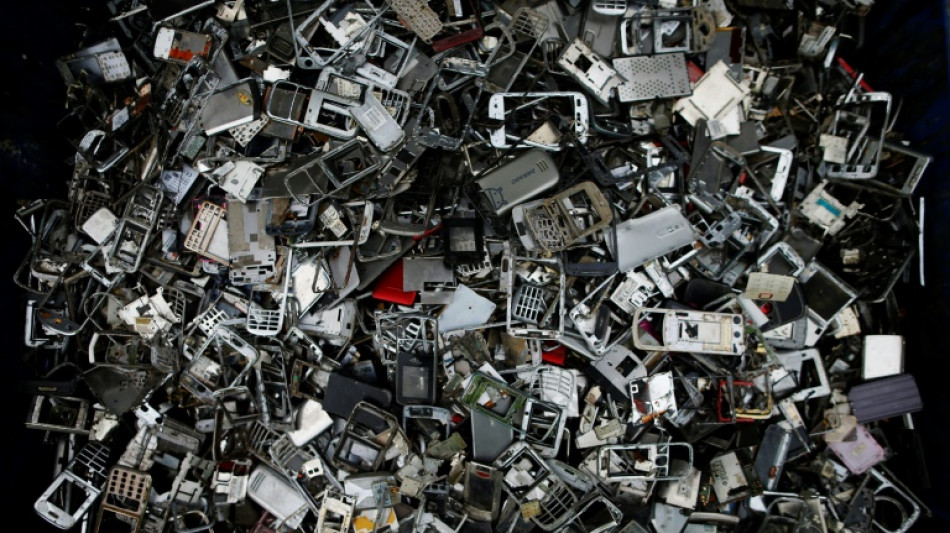
The report also weighed strategies like enabling electrical goods -- which contain critical raw materials including gold, silver and cobalt -- to be repaired, redesigning items to be easier to recycle, restricting single-use plastics and renting items like cars rather than buying them.
One sector it identified as having a significant opportunity to reduce its materials footprint was buildings and construction, where Fraser said current practices were far from sustainable.
He said government policy would be needed occasionally to reconfigure the economic incentives that make reusing resources more expensive than using new ones -- stressing that this should be seen as an integral part of efforts to curb global warming.
But Fraser said for now the issue remains a significant blind spot for governments, which he said do not pull together data of their countries' materials footprint.
He added that people in the future may ask tougher questions about whether materials can be recycled before they are even used.
"Could we become more strict about the metabolism of our economy? Just like you wouldn't eat junk food all the time," he said.
"I think in the future that could become more and more prominent."
I.Menon--DT