UN agrees to create 'historic' global treaty on plastic trash
The United Nations on Wednesday agreed to start negotiating a world-first global treaty on plastic pollution in what has been hailed a watershed moment for the planet.
Nearly 200 nations at the UN Environment Assembly in Nairobi unanimously agreed to create an intergovernmental committee to negotiate and finalise a legally binding plastics treaty by 2024.
UNEA chair Espen Barthe Eide declared the resolution passed with a strike of the gavel as the assembly hall erupted into cheers and applause.
"We are making history today. You should all be proud," said Eide, who is Norway's climate and environment minister.
Negotiators have been given a broad mandate to target plastic trash in all its forms -– not just bottles and straws in the ocean, but invisible microplastics polluting the air, soil and food chain.
- 'Historic crossroad' -
Supporters described the commitment to take united action on the plastic crisis as the most important environmental decision taken by the UN in years.
"We stand at a crossroad in history when ambitious decisions taken today can prevent plastic pollution from contributing to our planet's ecosystem collapse," said Marco Lambertini from WWF.
The broad treaty framework approved by nations -- among them major plastic producers like the United States and China -- does not spell out specific policies, with particulars to be negotiated later.
But the scope covers the entire life cycle of plastic -- a key demand of nations, businesses and environment groups -- and could for the first time introduce new rules on the production of new plastic.
It also allows for the negotiation of new rules around the design of plastic products -- which are made from oil and gas -- to make recycling easier, encourage sustainable use, and spur better waste disposal.
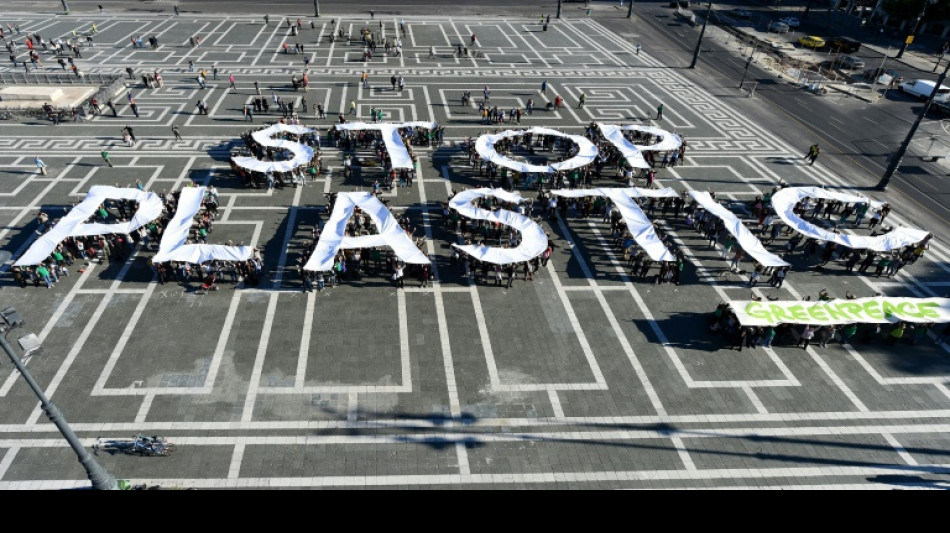
"This is a clear acknowledgement that the entire life cycle of plastic, from fossil fuel extraction to disposal, creates pollution that is harmful to people and the planet," said Graham Forbes from Greenpeace.
The mandate allows for binding and voluntary measures, and the setting of global targets and obligations, the development of national action plans, and mechanisms for tracking progress and ensuring accountability.
It also calls for financial assistance to help poorer countries take action.
- 'Landmark' decision -
The amount of plastic trash entering the oceans is forecast to triple by 2040, and governments have been under pressure to unite behind a global response to the crisis.
The rate of plastic production has grown faster than any other material and is expected to double within two decades, the UN says.
But less than 10 percent is recycled and most winds up in landfill or oceans creating what Eide called an "epidemic" of plastic trash.
By some estimates, a garbage truck's worth of plastic is dumped into the sea every minute.
Large pieces of plastic are a notorious peril for sea birds, whales and other marine animals. But at the microscopic level, particles of plastic can also enter the food chain, eventually joining the human diet.
Environment groups are buoyed by the broad scope given to negotiators but say the strength of the treaty is yet to be determined.
The first round of negotiations is set for the second half of this year.
Big corporations have expressed support for a treaty that creates a common set of rules around plastic and a level playing field for competition.
Big plastic makers have underscored the importance of plastic in construction, medicine and other vital industries and warned that banning certain materials would cause supply chain disruptions.
H.El-Qemzy--DT